


Saehan is the Korean car company between GM and Daewoo.
For only a few years, the name Saehan appeared on Korean roads. But hidden inside those few years is a remarkable cross-section of Korean automotive history.
Saehan Motor Company emerged in 1976 from General Motors Korea, the joint venture created four years earlier between Korea’s Shinjin Motors and General Motors. When financial problems forced Shinjin out, Korea Development Bank took its stake and GM Korea was given a new Korean identity: 새한자동차 — Saehan Motor Company. Its launch advertising proclaimed a company starting again “with one purpose,” while retaining the global engineering resources of GM.
Saehan’s cars were international machines interpreted for a rapidly developing Korean market. The Gemini came through Isuzu from GM’s worldwide T-car program. The Rekord and later Royale series owed their engineering to Opel. Trucks and buses drew heavily on Isuzu technology. Yet Saehan progressively gave these products their own names, identities and visual language.
In 1978 another name entered the picture: Daewoo. Daewoo Group bought the Korean 50-percent share of Saehan, while General Motors retained the other half. For the next several years the company remained Saehan, even as Daewoo became increasingly visible behind it. In late 1982 Daewoo obtained management control, and on January 1, 1983 the company officially became Daewoo Motor.
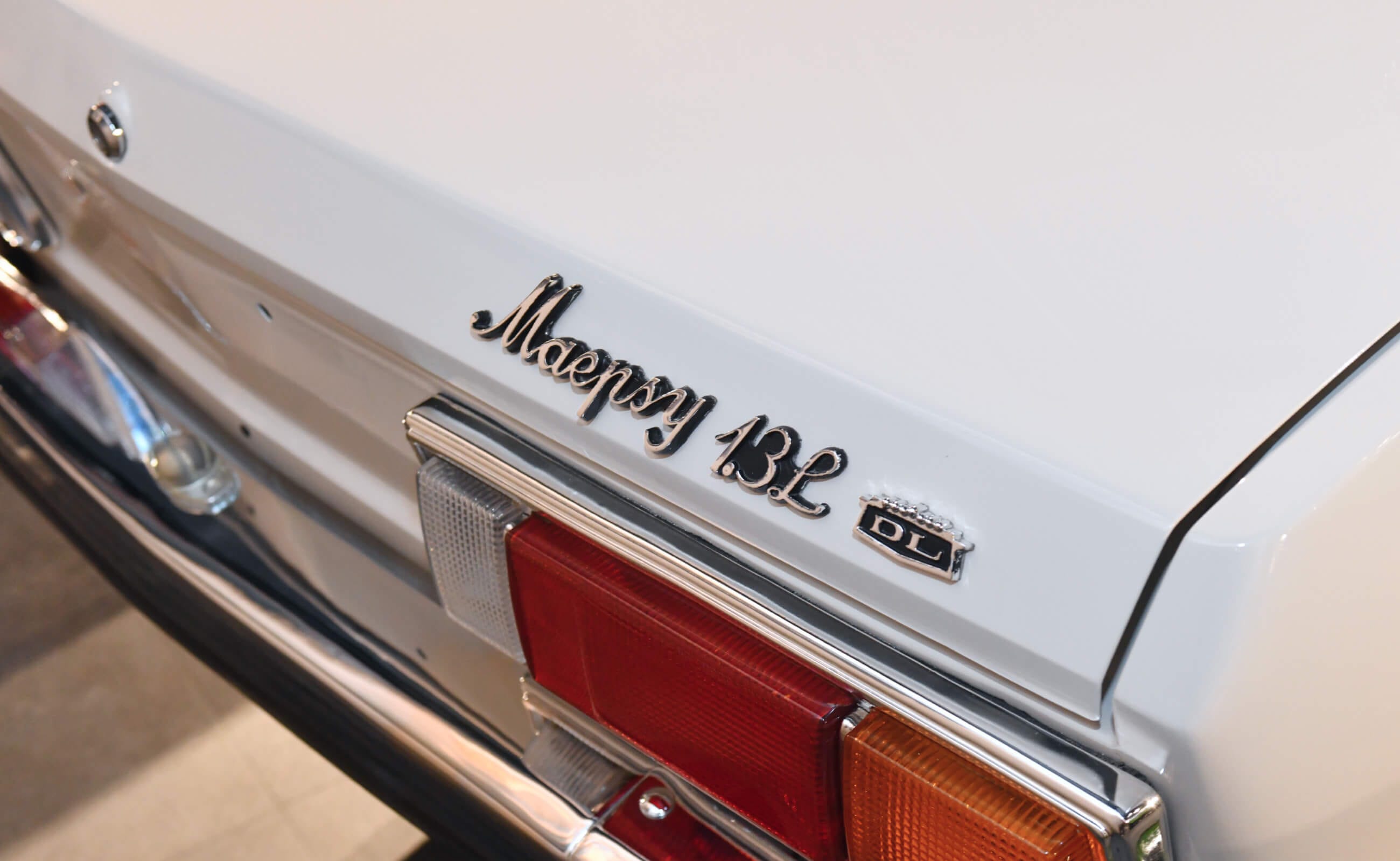
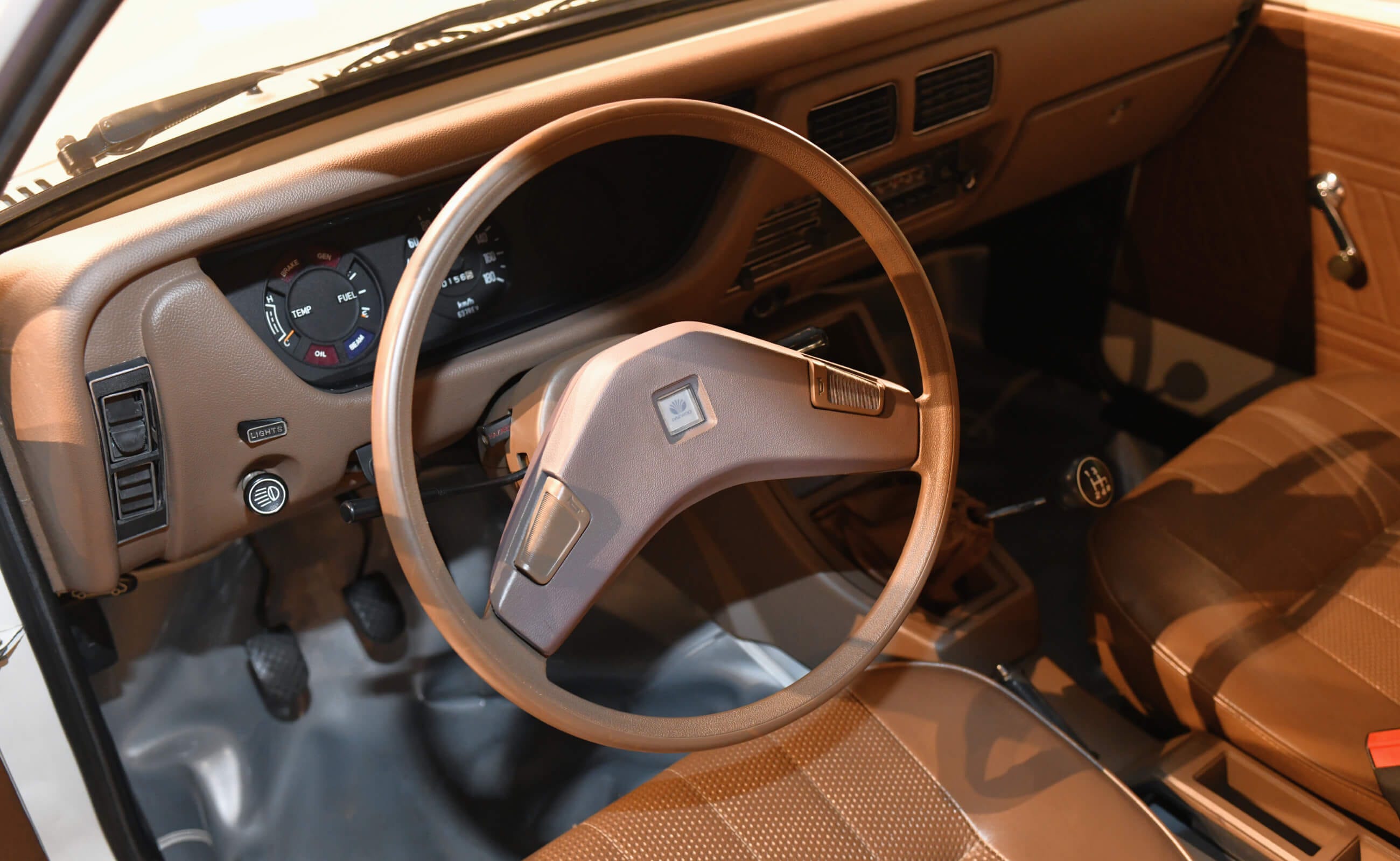
The car shown below is one of the last products of the Saehan era: the 1982 Maepsy.
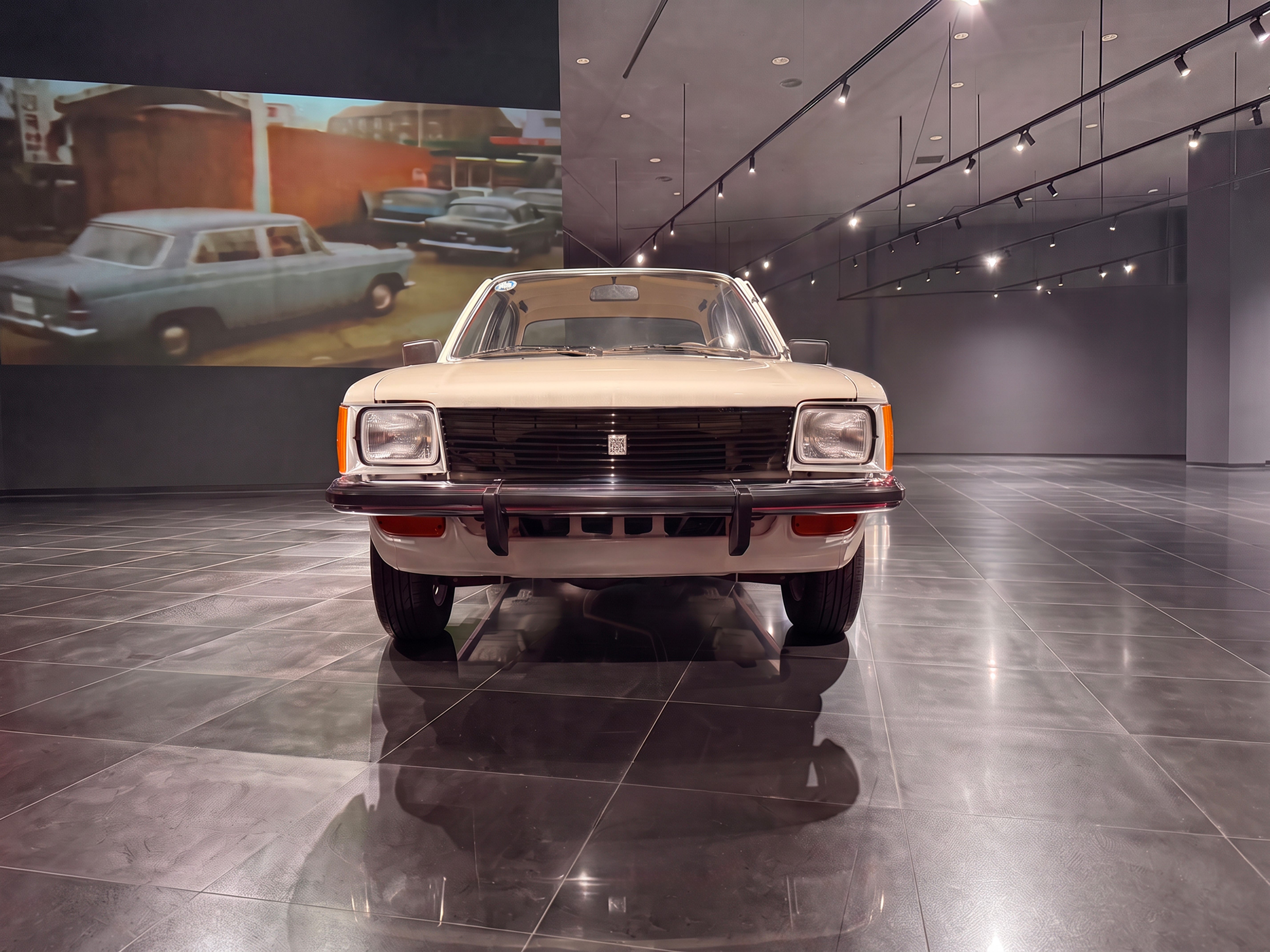
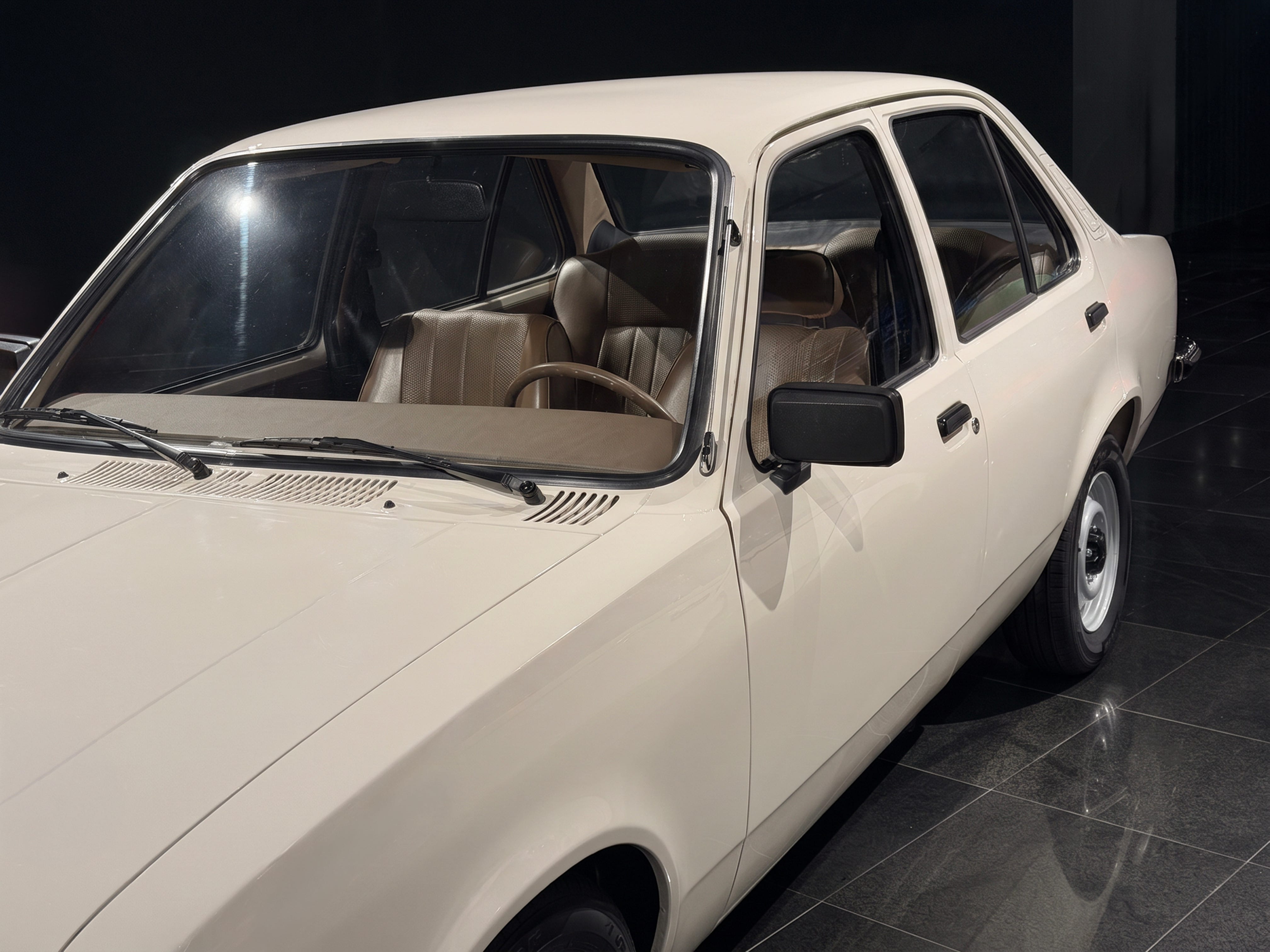
Maepsy—맵시—is a Korean word referring to an attractive or pleasing appearance. Beneath its crisp, horizontal grille and square headlamps sat the architecture of the earlier Isuzu-derived Gemini. But the Maepsy represented an effort to give that platform a distinctly Korean identity. Saehan’s advertising stressed its “style, safety and economy,” while the 1.3-liter version added another curious piece to the international puzzle: a Mazda-designed engine previously produced by Kia for the Brisa.
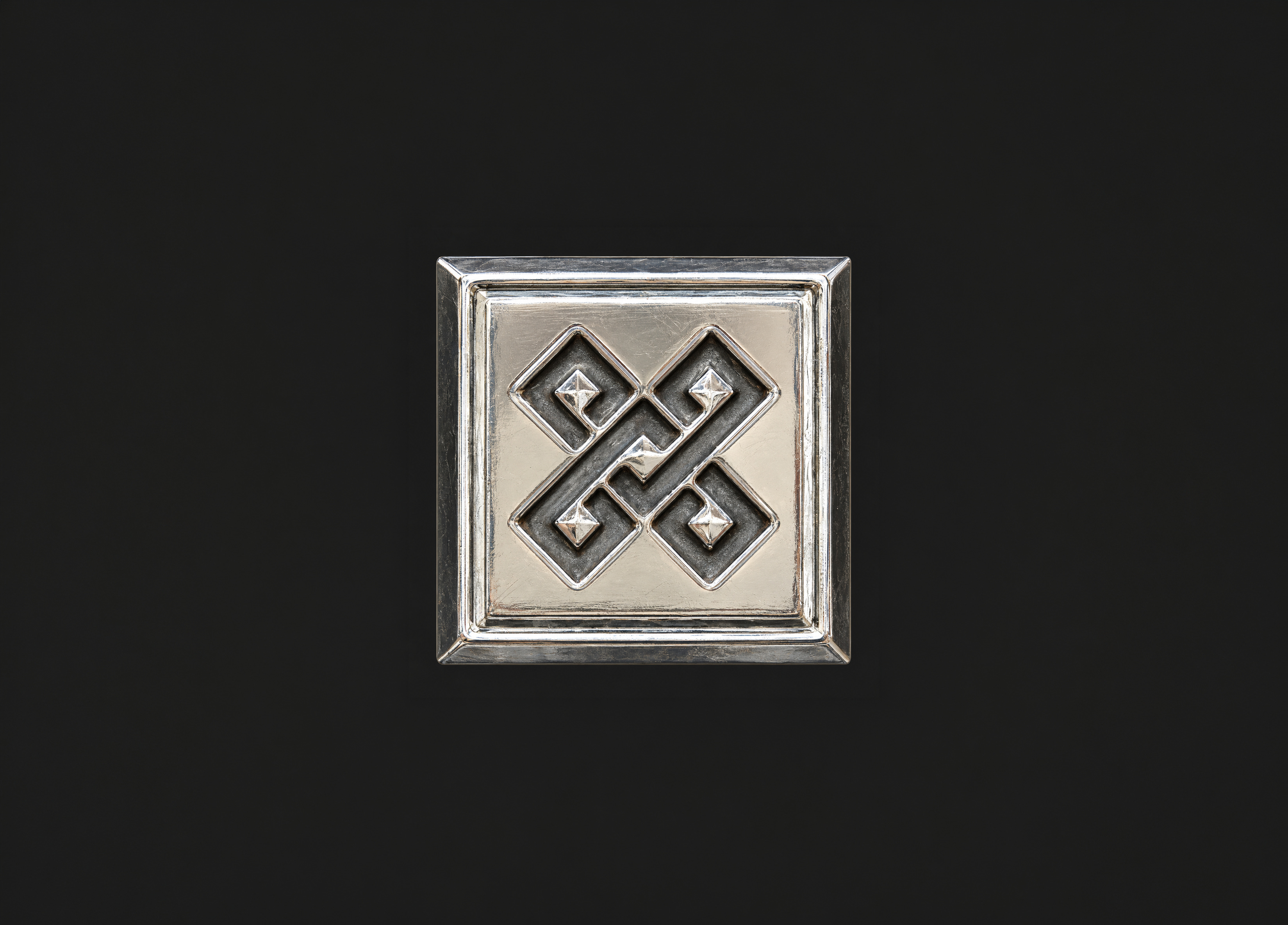
Look closely at the center of the grille and there is another nearly forgotten piece of Korean automotive graphic design: Saehan’s small geometric emblem. The company also employed an SMC mark, Korean 새한자동차 lettering and Saehan Motor typography across its cars, trucks, catalogs and advertisements.
Saehan disappeared almost as quickly as it appeared (1976–1983). But it wasn’t a dead end. Its factories, engineers, models and GM relationship passed into Daewoo Motors, creating the foundation for the Royale family, Maepsy-Na, LeMans and ultimately decades of Korean car production.
A brief name, but a remarkably important link between Shinjin, General Motors, Daewoo—and the development of Korea’s modern automobile industry.