Long before Daewoo became one of Korea’s best-known automotive names, there was Shinjin.
Founded in postwar Korea in 1955, Shinjin began by rebuilding vehicles and manufacturing buses. A decade later, the company made a dramatic move into passenger-car production when it acquired the former Saenara automobile factory in Bupyeong and formed a technical partnership with Toyota.
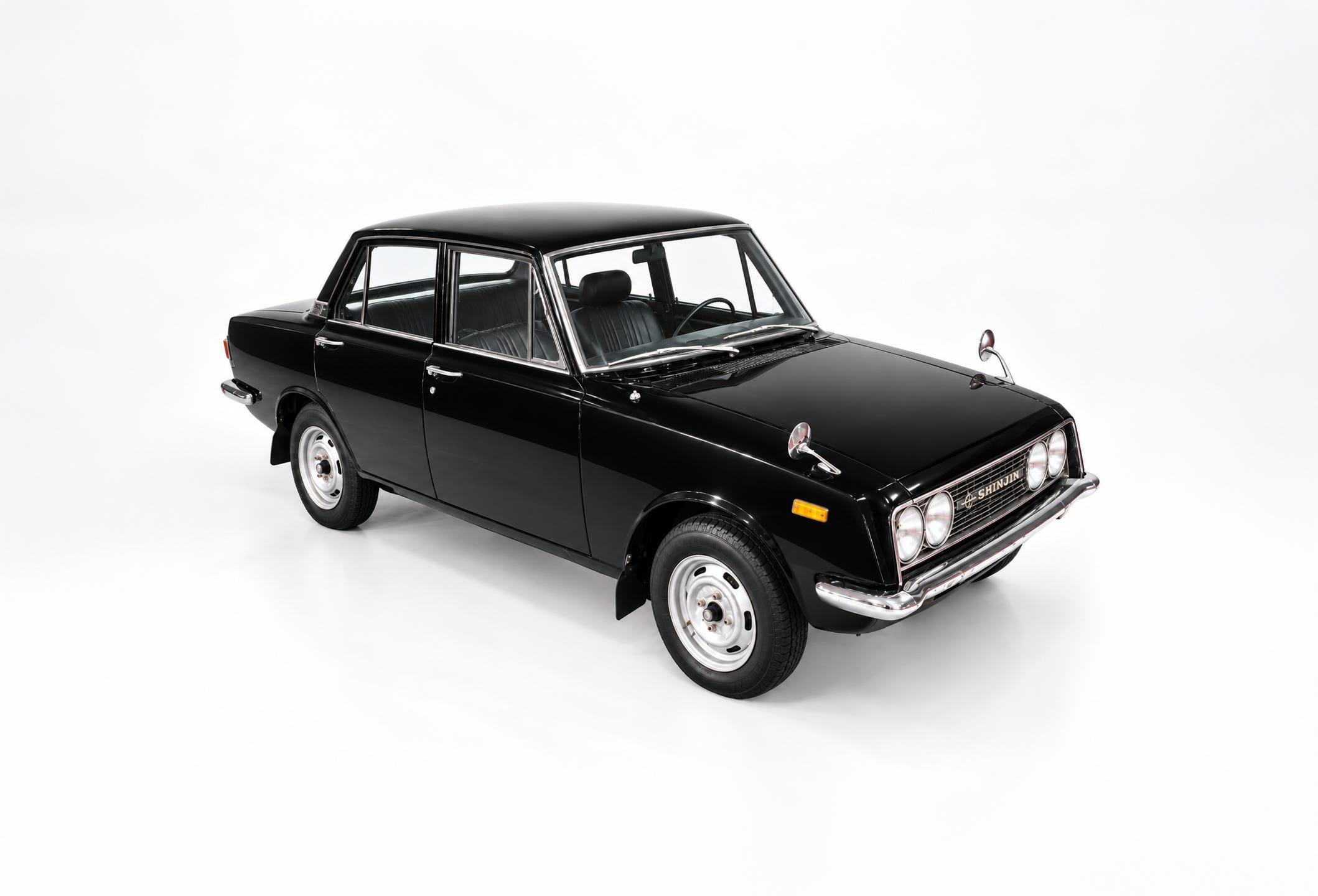
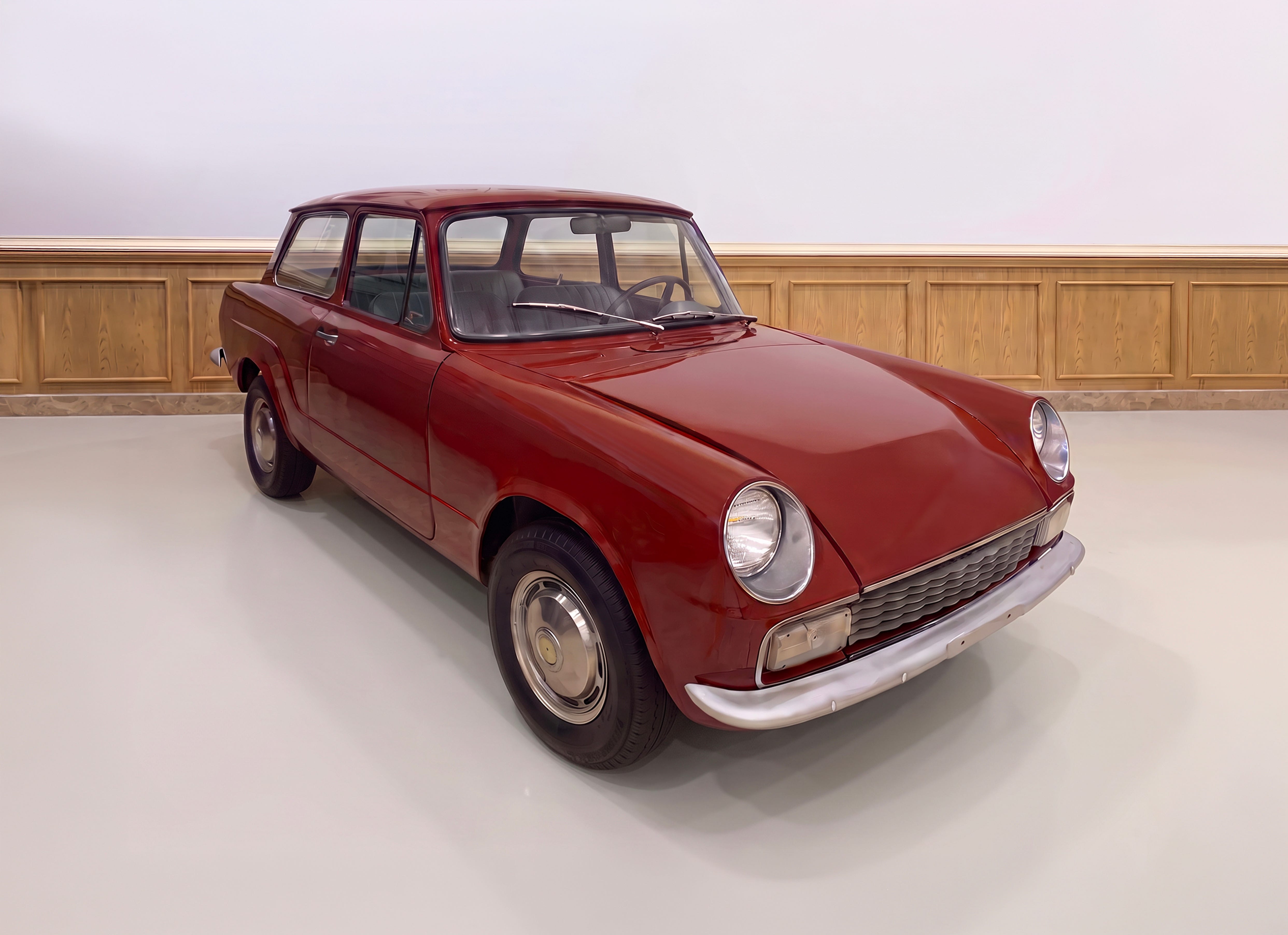
The result was the Shinjin Corona, introduced in 1966.
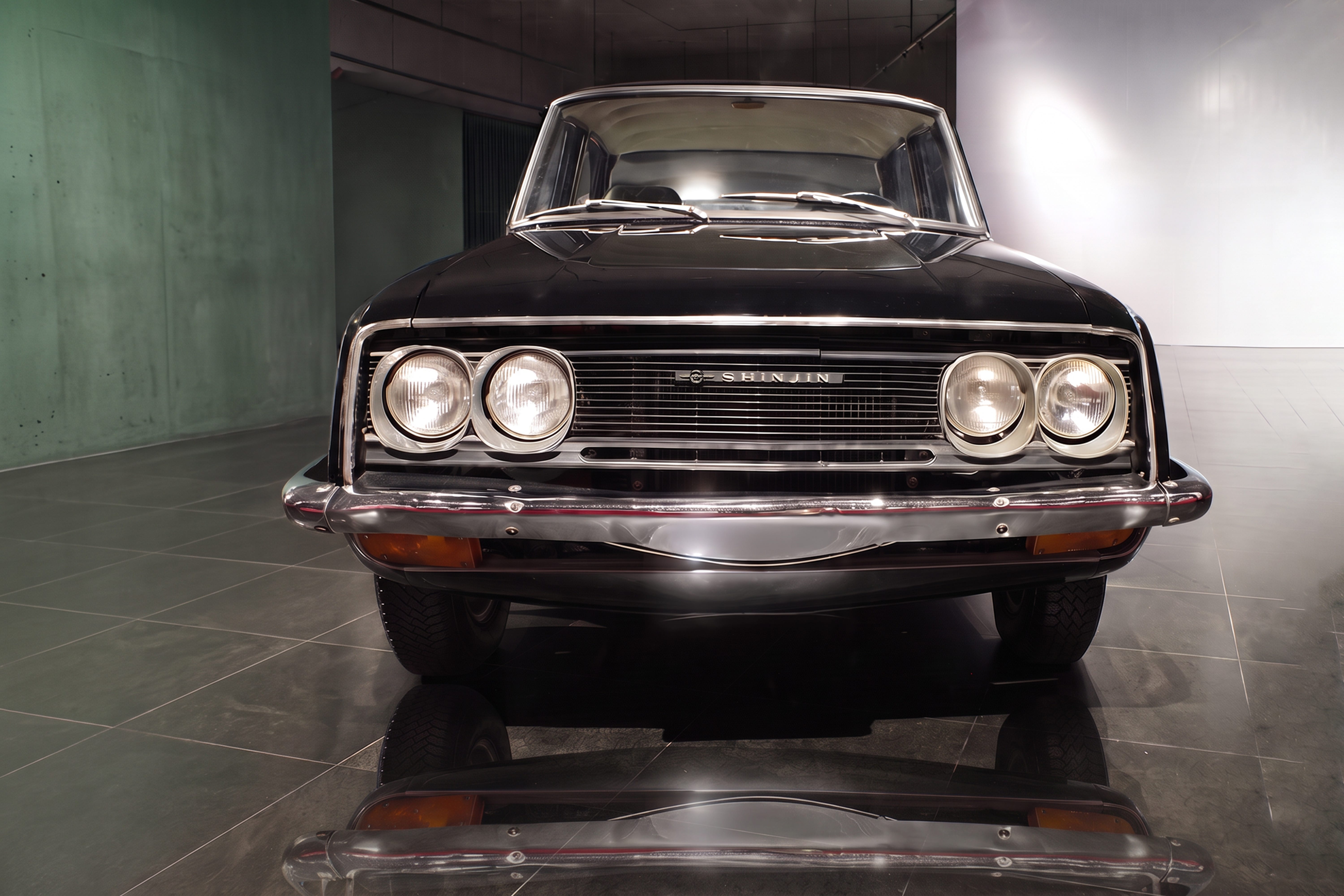
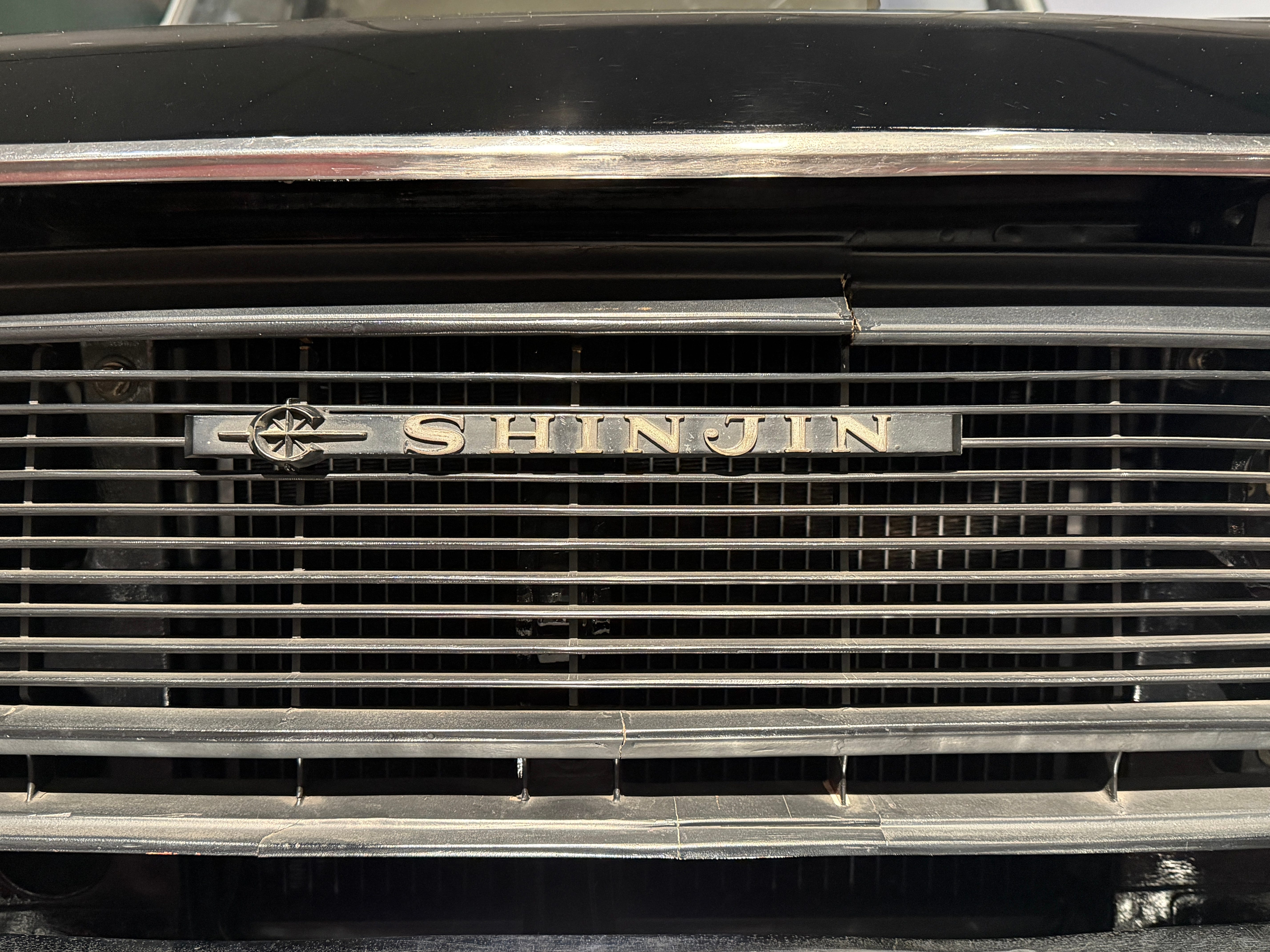
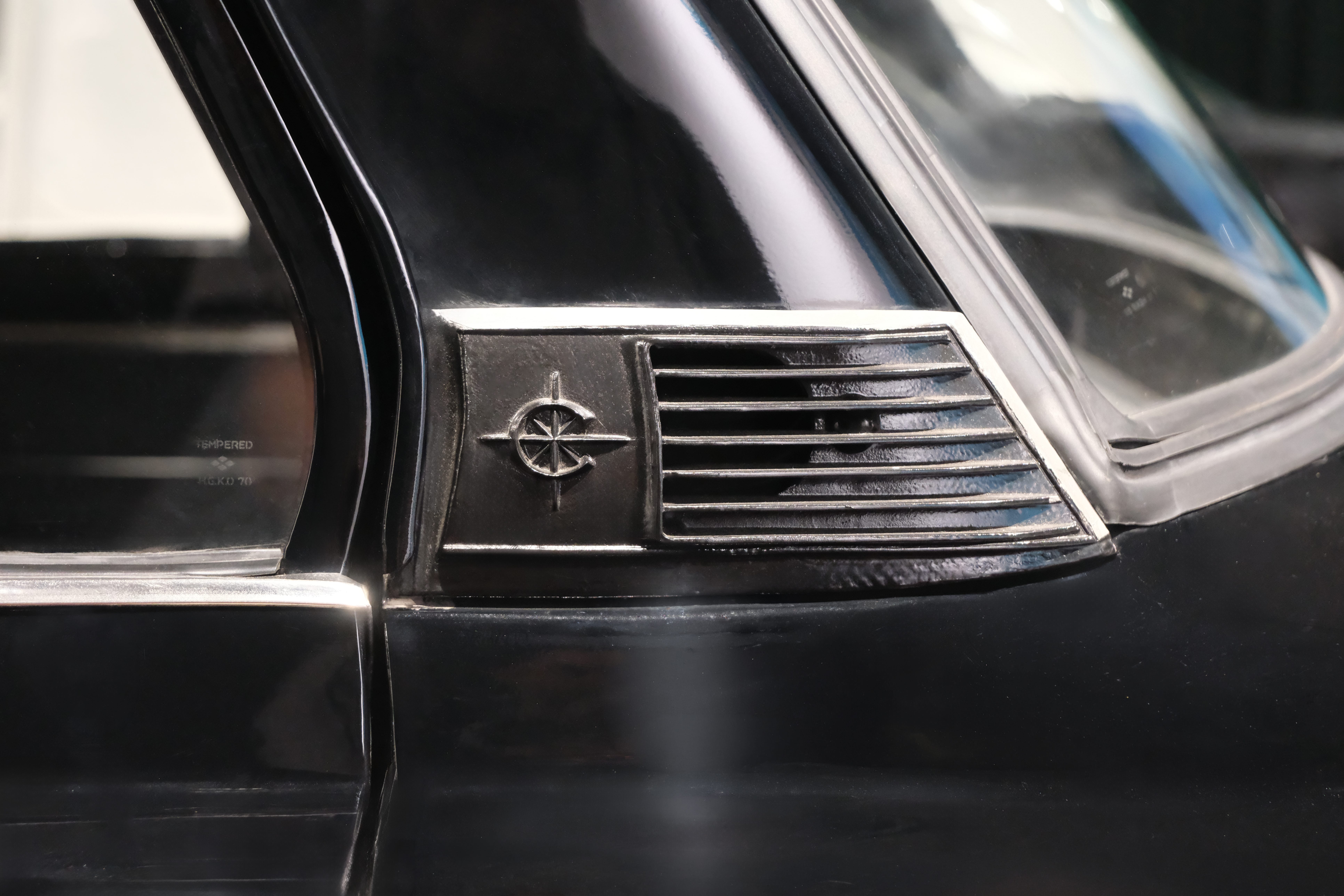
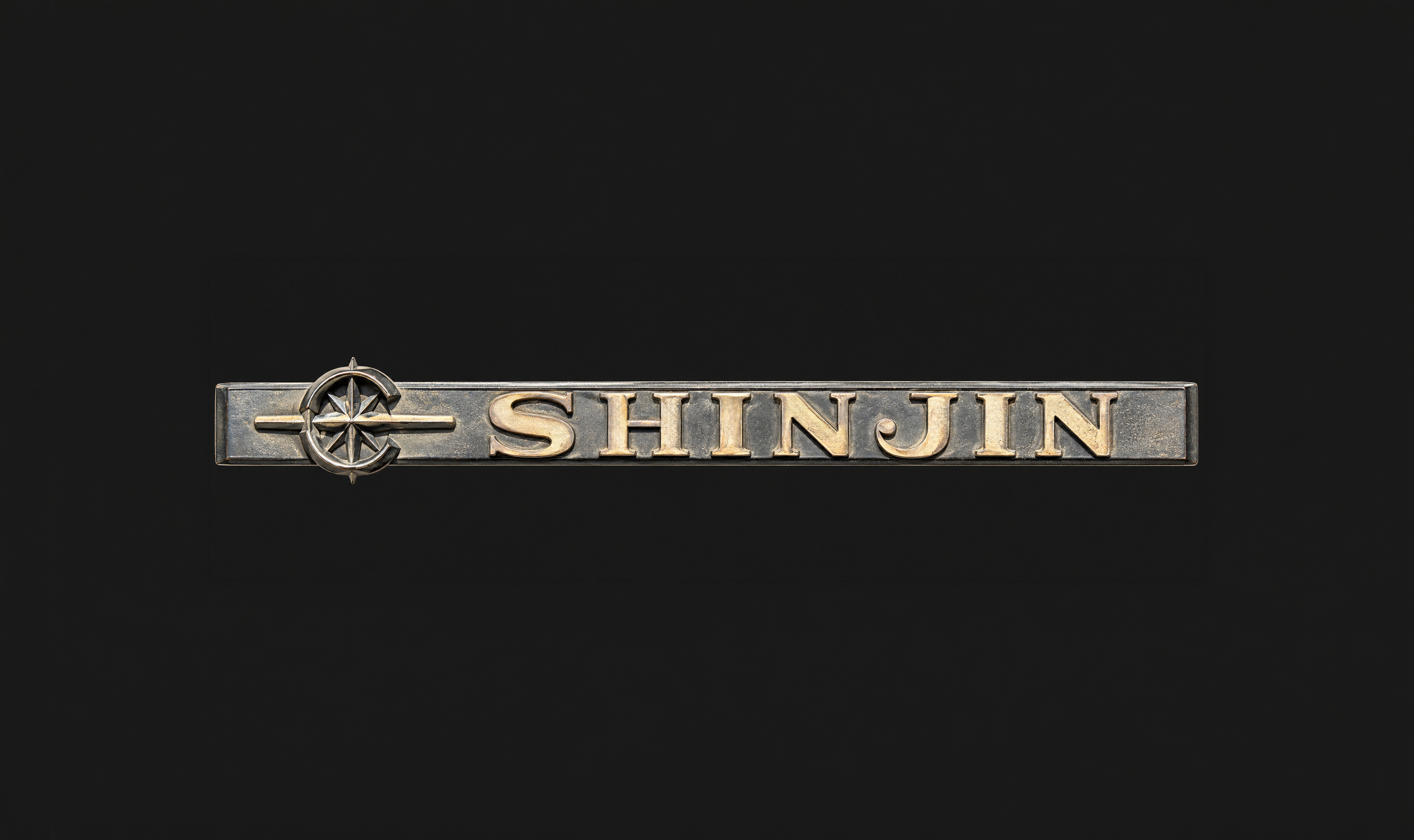
Underneath, it was Toyota’s Corona, but the cars were assembled in Korea and wore Shinjin identification—the wonderfully distinctive badge visible across the grille.
The Corona became one of the most important cars of Korea’s emerging automobile industry. Between 1966 and 1972, more than 44,000 Shinjin Coronas were produced, helping transform Shinjin into one of the country’s leading automakers.
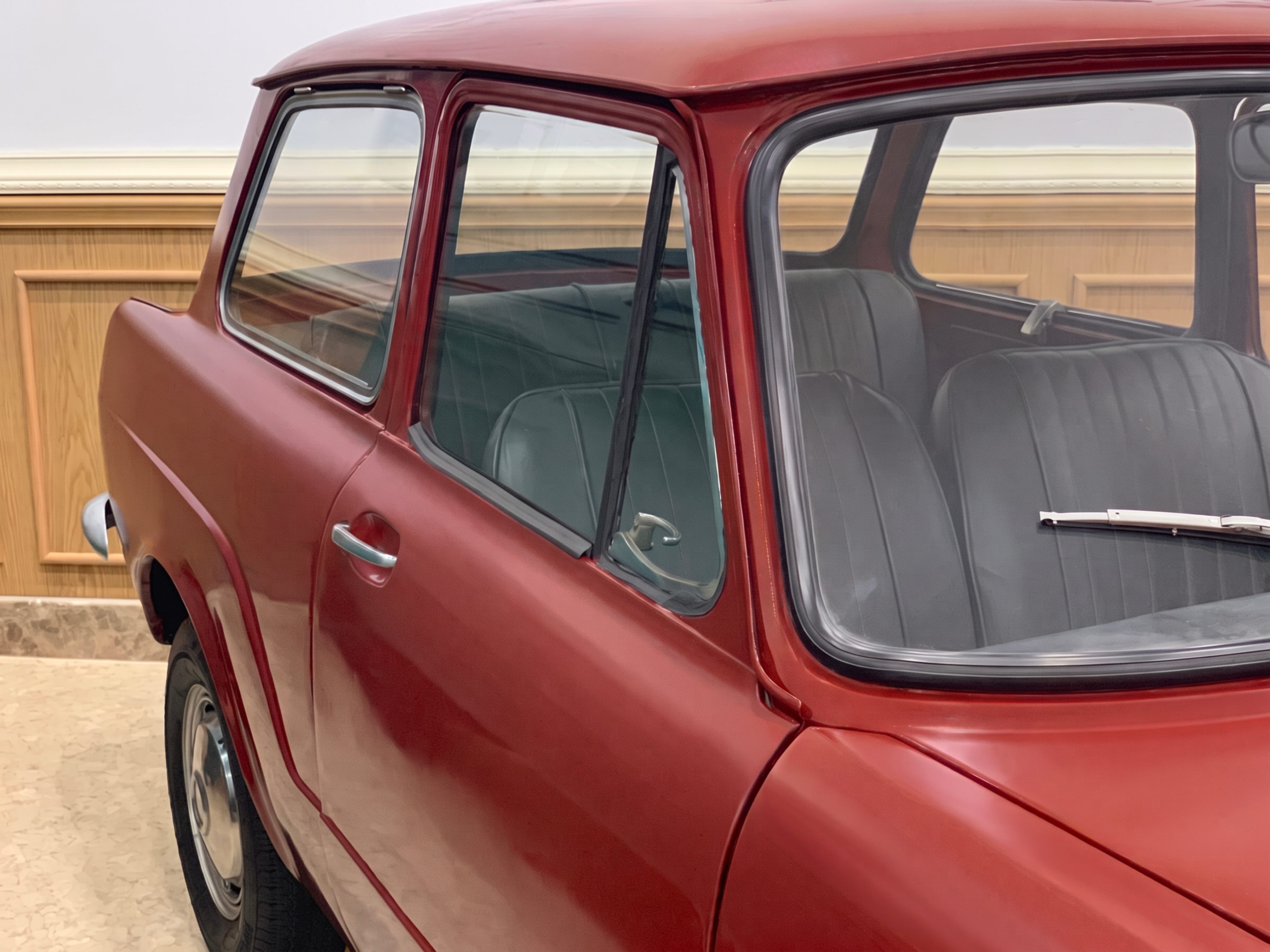
This 1970 Shinjin Corona belongs to the redesigned T80 generation introduced that year. With its quad headlights, long horizontal grille, slim chrome bumpers and almost architectural greenhouse, it captures a moment when Korean automobile manufacturing was transitioning from small-scale postwar production toward a modern industrial system.
Shinjin’s moment was brief. Toyota withdrew from Korea in 1972, and Shinjin’s passenger-car operation entered a new partnership with General Motors. The names that followed tell their own story:
Shinjin → GM Korea → Seaman → Daewoo
Today, Shinjin is largely forgotten outside Korea, but its significance is much greater than the surviving badge might suggest. Cars like this Corona represent the formative years of an industry that, within only a few decades, would become one of the most influential in the world.