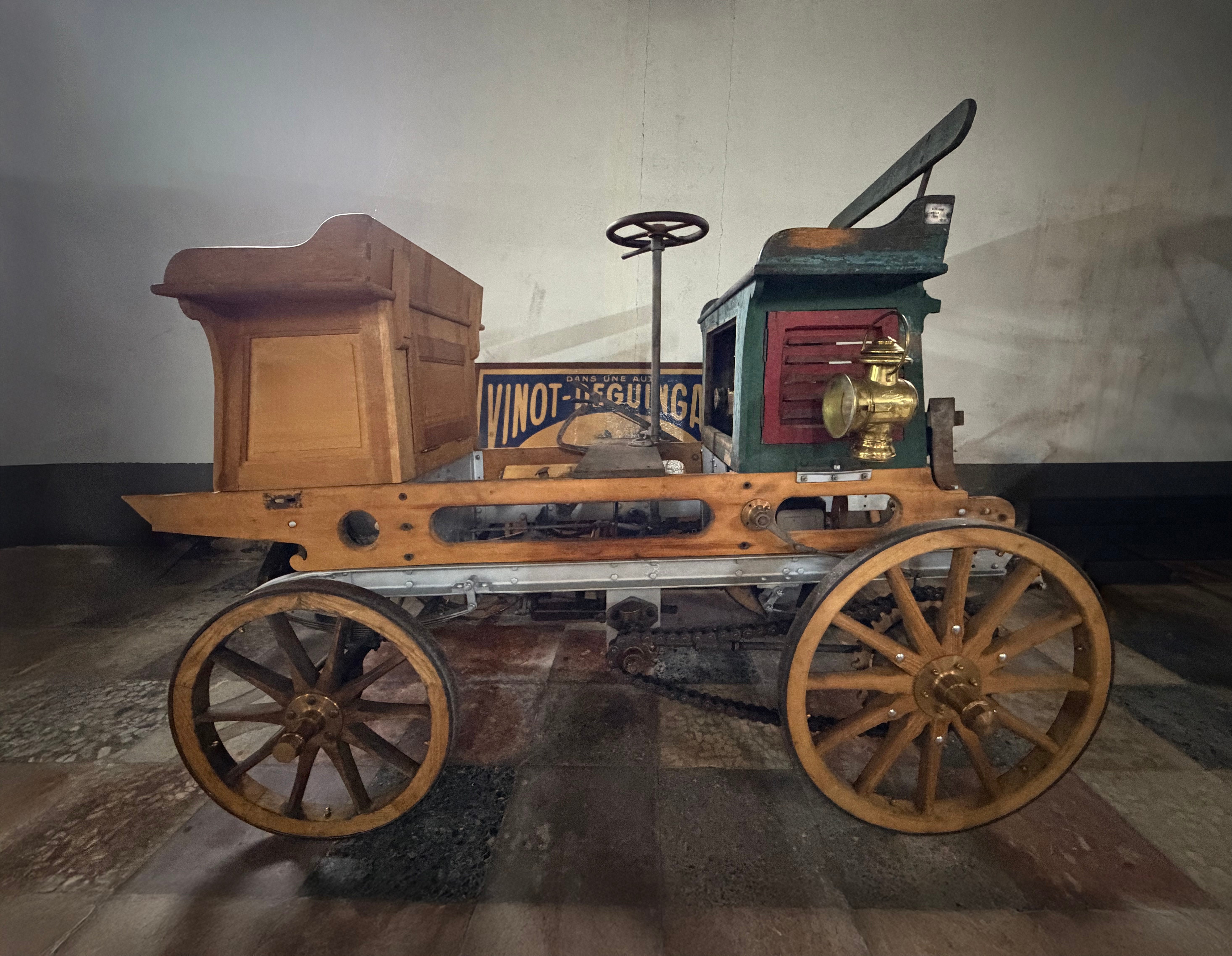
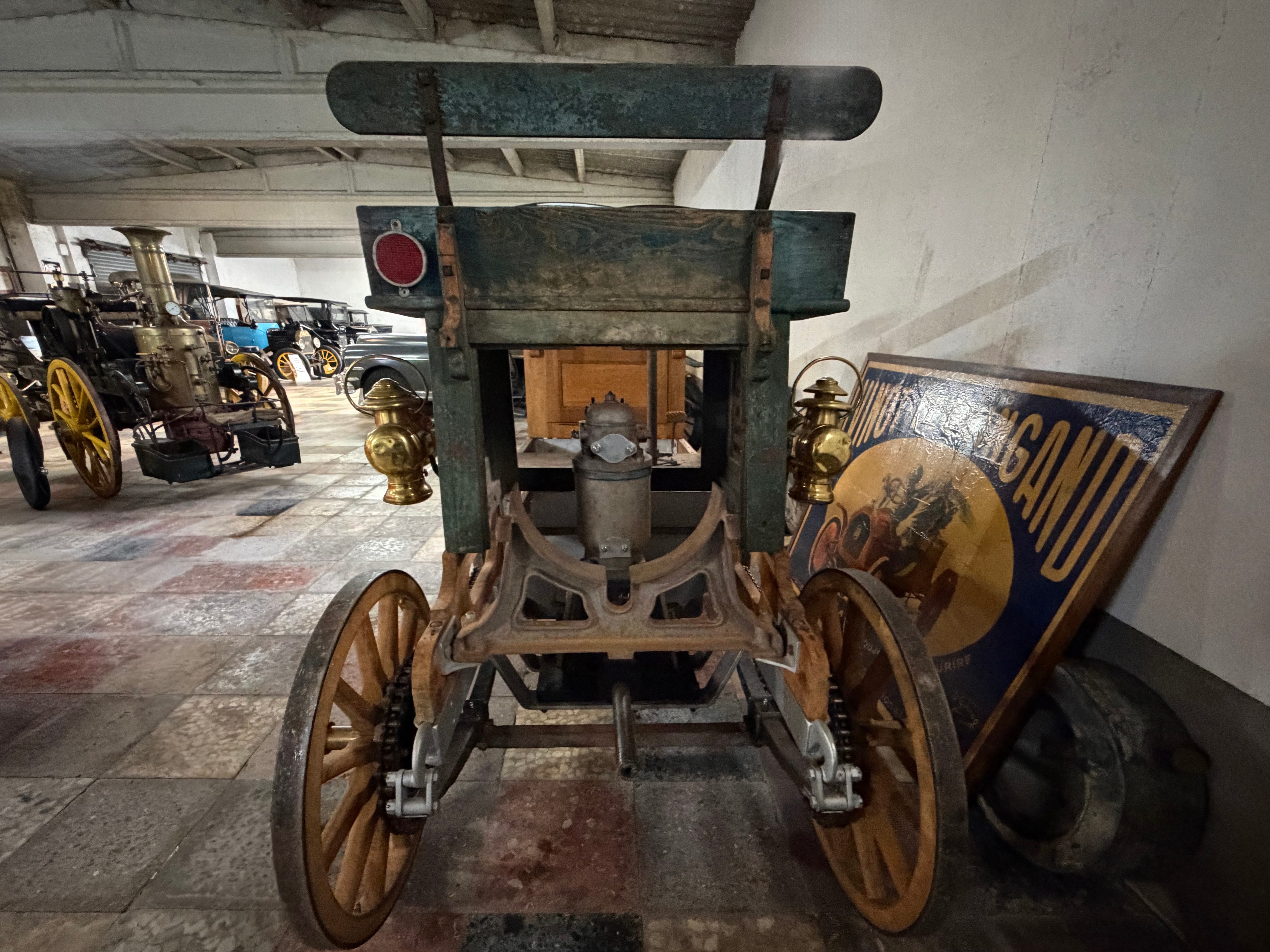
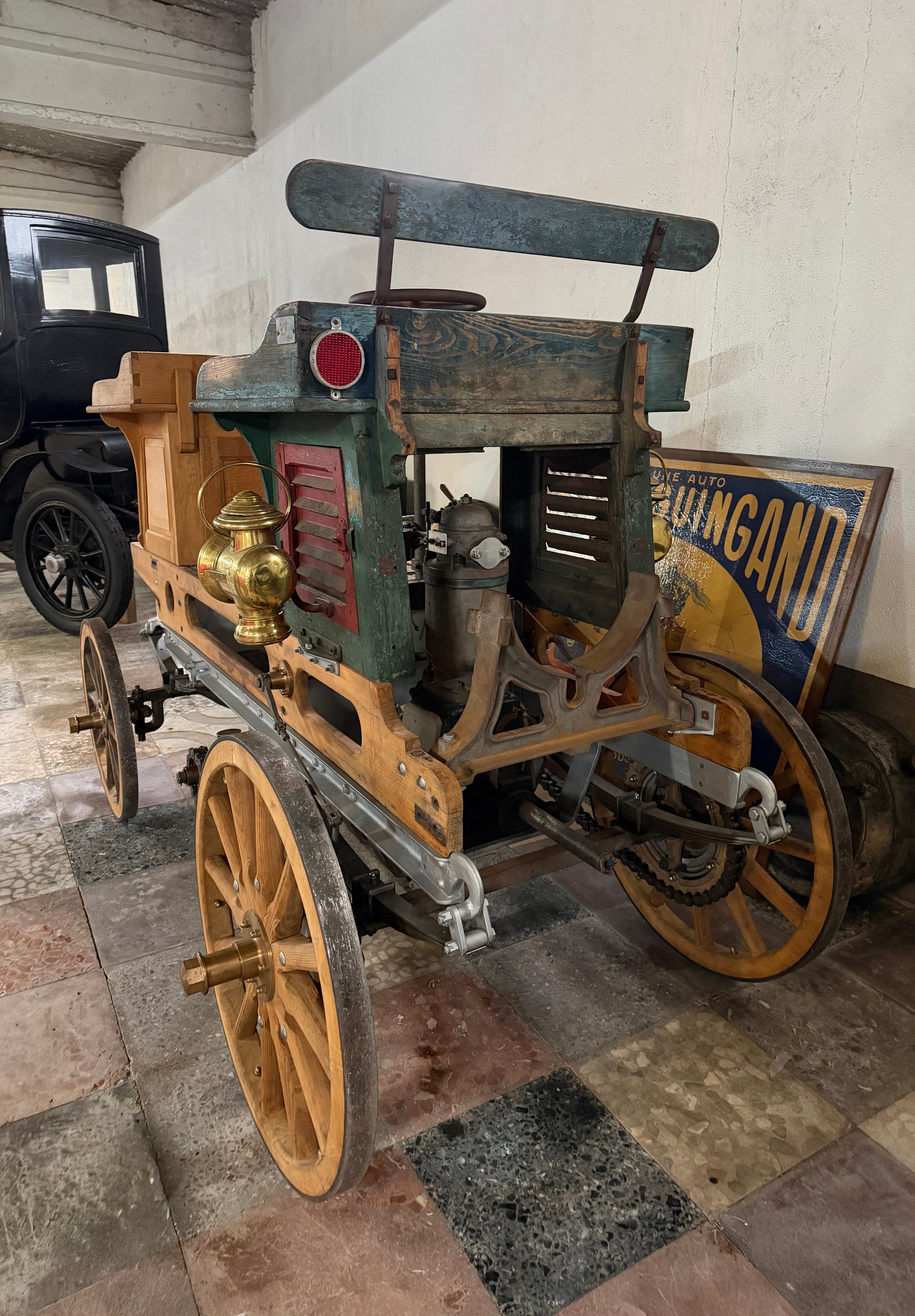
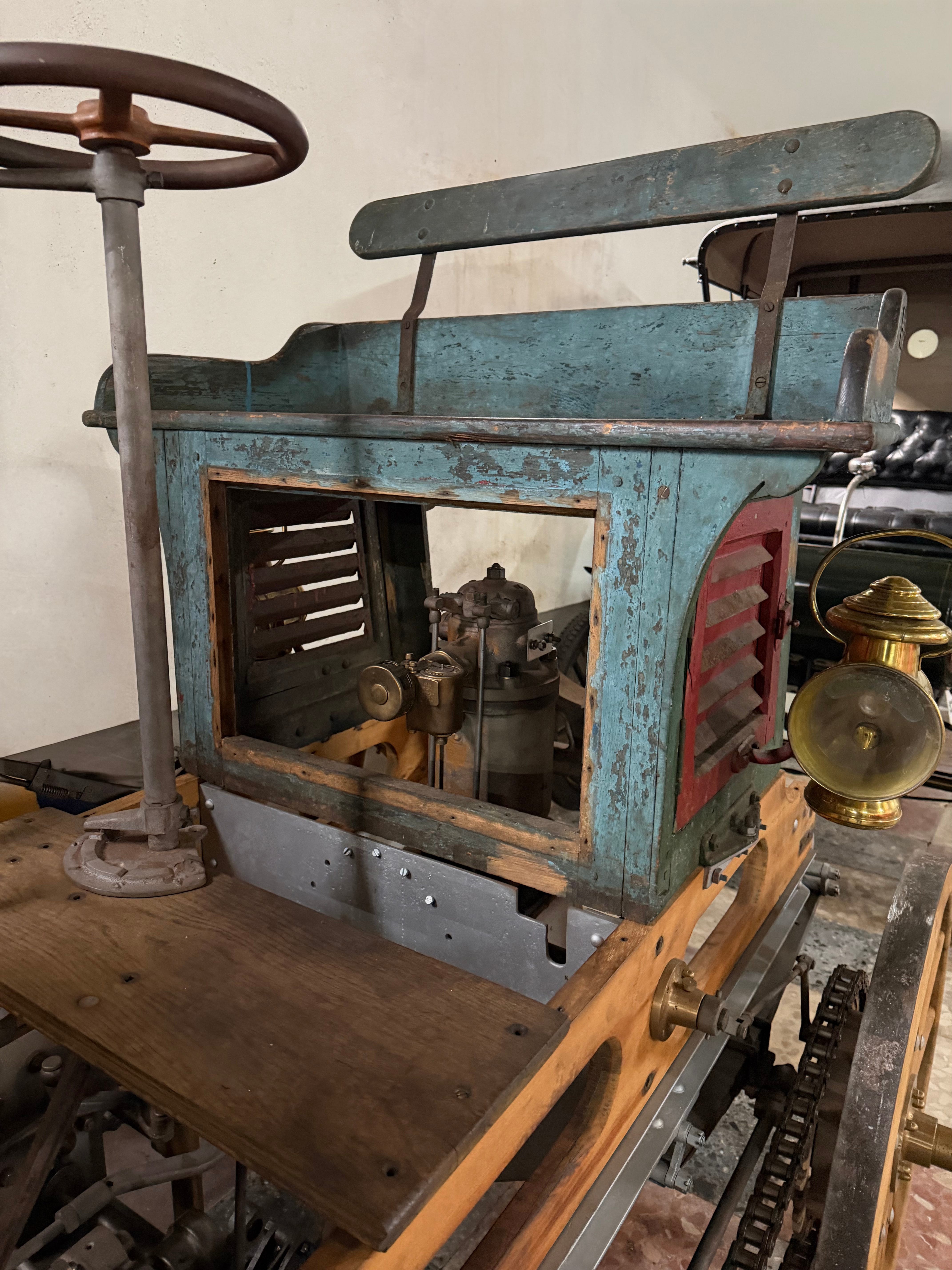
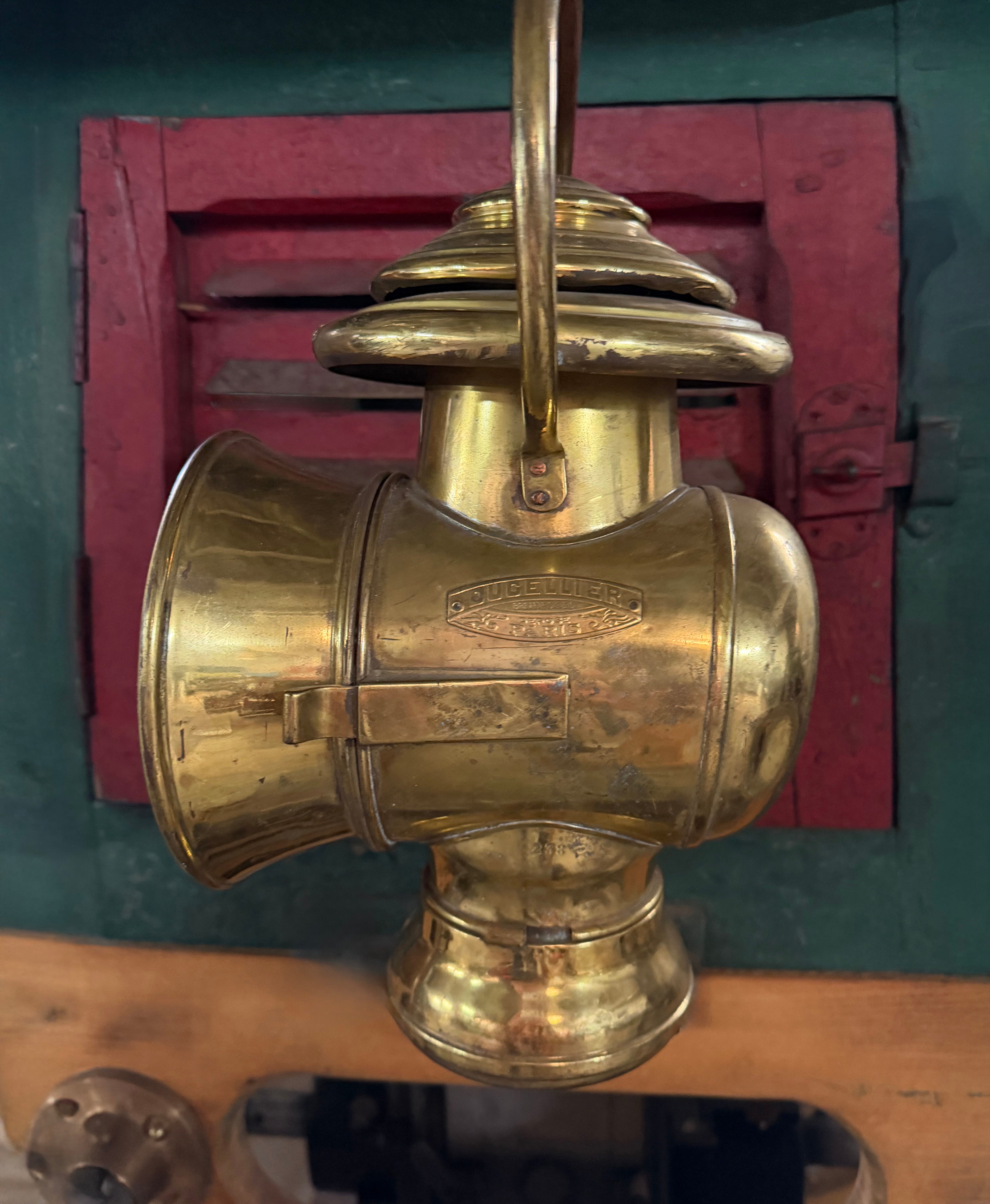
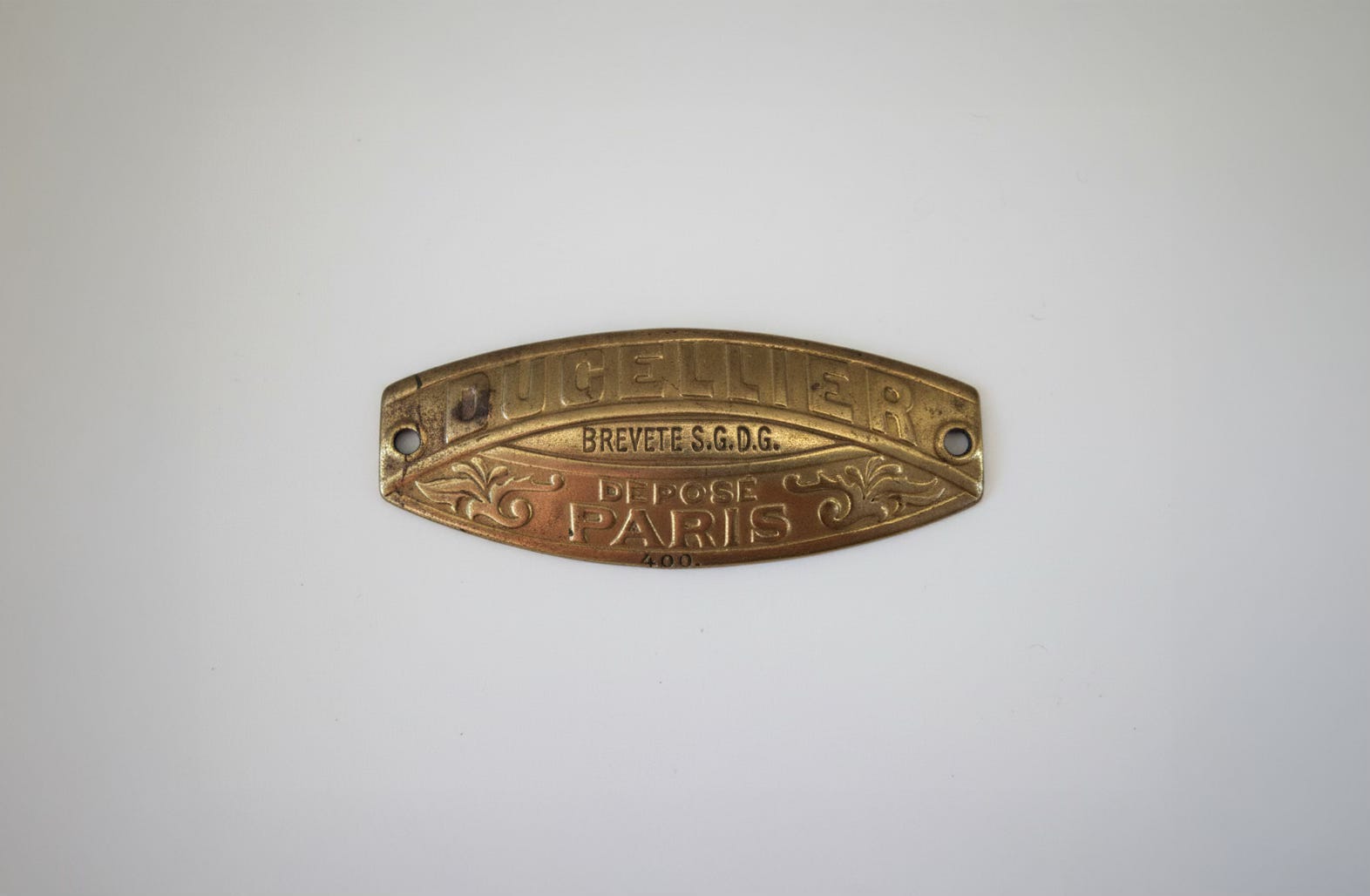
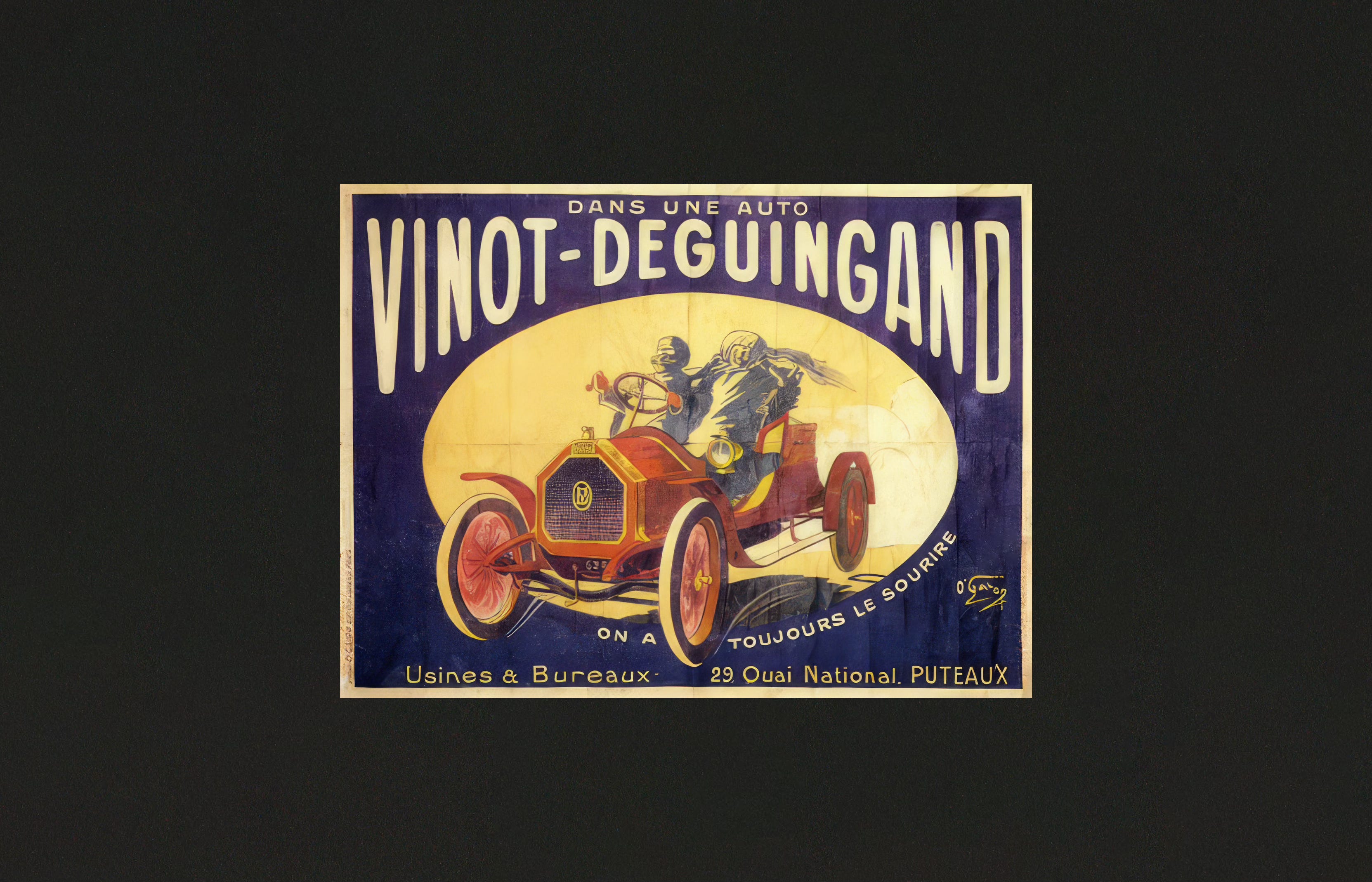
Vinot & Deguingand was a French automobile manufacturer based in Puteaux. They began building cars in 1898 and produced very early wooden-frame prototypes.
In the crowded landscape of early French automobile manufacturers, some names became legends—Renault, Peugeot, Panhard. Others, like Vinot & Deguingand, quietly helped shape the foundations of the automotive age before fading into history. Yet behind this lesser-known marque lies a fascinating story of craftsmanship, innovation, and the rapid evolution of the motorcar.
From Bicycles to Automobiles (1898–1901)
Vinot & Deguingand began in 1898, founded in Puteaux (Seine) by Lucien-Marie Vinot-Préfontaine and Albert Deguingand. Like many mechanical workshops of the era, they first produced bicycles, a booming business across Europe. It didn’t take long before the partners recognized the potential of the motorized carriage and shifted toward building their first voiturettes, small lightweight cars that reflected the experimental spirit of the time.
These earliest vehicles—built between 1899 and 1901—featured wooden chassis, chain drive, single-cylinder engines, and simple tiller or rudimentary steering wheels. They were modest machines, but they marked the company’s first step into the growing French automobile industry.
Growth and Engineering Ambition (1902–1910)
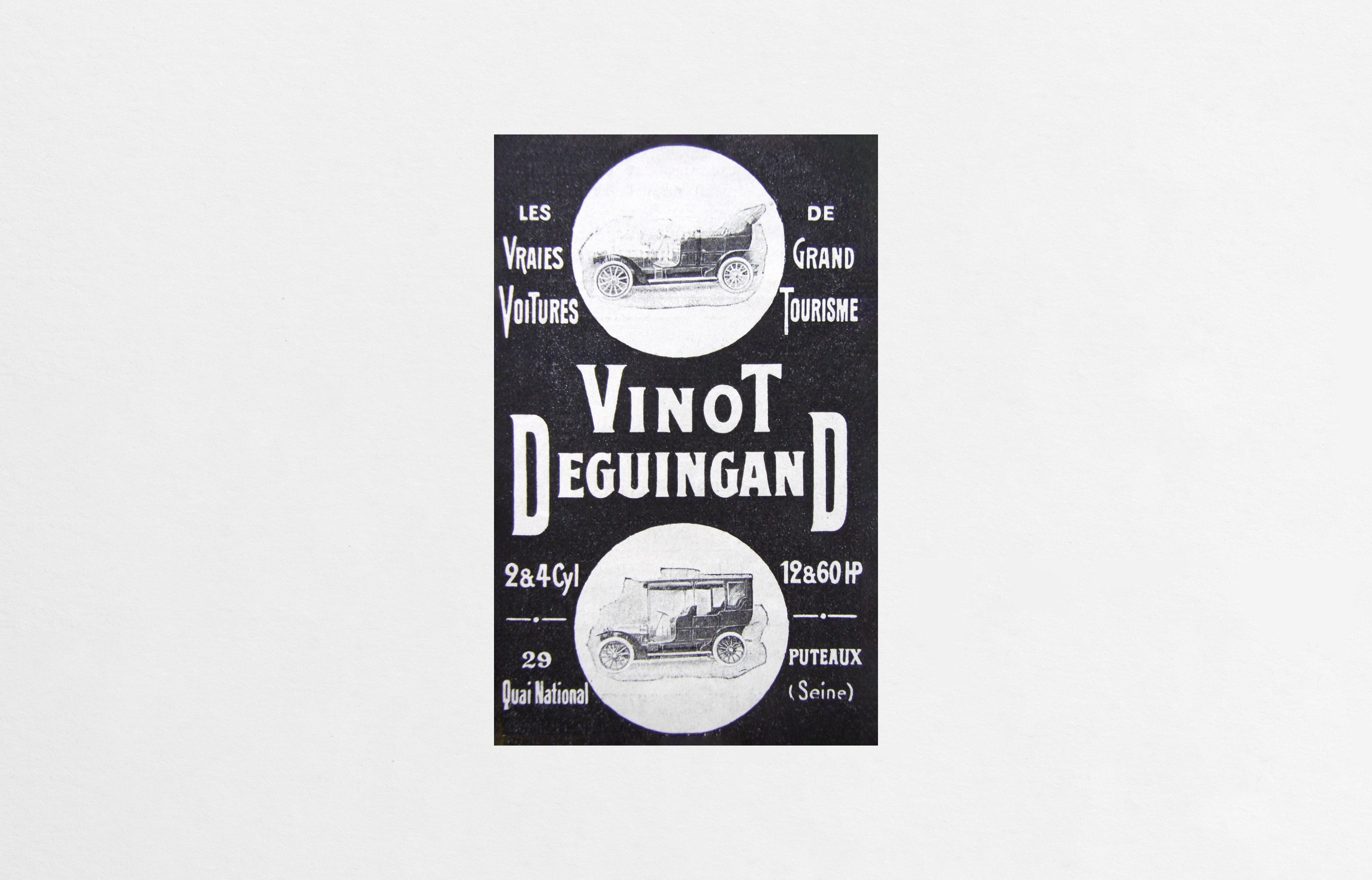
As the automobile matured, so did Vinot & Deguingand. In the early 1900s, the company transitioned from basic voiturettes to more substantial and reliable touring cars. Their lineup expanded rapidly with 2-, 4-, and eventually 6-cylinder engines, and their vehicles began appearing at major automotive exhibitions across Europe.
While not known for luxury or radical innovation, Vinot & Deguingand earned a solid reputation for strong engineering and mechanical dependability. Their cars appealed to middle-class buyers who wanted a practical and well-built machine without the premium price of the more prestigious marques.
Reaching Their Peak (1910–1914)
In the years leading up to World War I, the company enjoyed what many consider its golden era. Models in the 10CV, 12CV, and 20CV range became especially popular, often bodied by respected Parisian coachbuilders. These vehicles represented a significant leap from the company’s early wooden prototypes, offering smoother engines, greater comfort, and unmistakable presence on French roads.
By 1914, Vinot & Deguingand had firmly established itself as a respected mid-tier automaker—reliable, well-made, and increasingly visible.
War and Change (1914–1919)
World War I dramatically reshaped the company. Like other French manufacturers, they redirected production to military needs, building trucks, ambulances, and specialized equipment. The war years strained the firm financially, but they also accelerated industrial development.
After the war, however, the partners found themselves in a changed world. Albert Deguingand eventually left the company to start a separate automotive venture bearing his name (with a slightly different spelling).
Struggles in a New Era (1920–1926)
The 1920s brought fierce competition and consolidation to the French auto industry. Giants like Citroën, Renault, and Peugeot modernized aggressively, introducing mass production methods and offering cars at prices Vinot & Deguingand could not match.
Although the company attempted a postwar comeback with updated 4-cylinder touring cars in the 10–12CV classes, sales declined steadily. Financial pressures grew, and by 1926, Vinot & Deguingand closed its doors.
A Legacy Preserved in Brass and Enamel
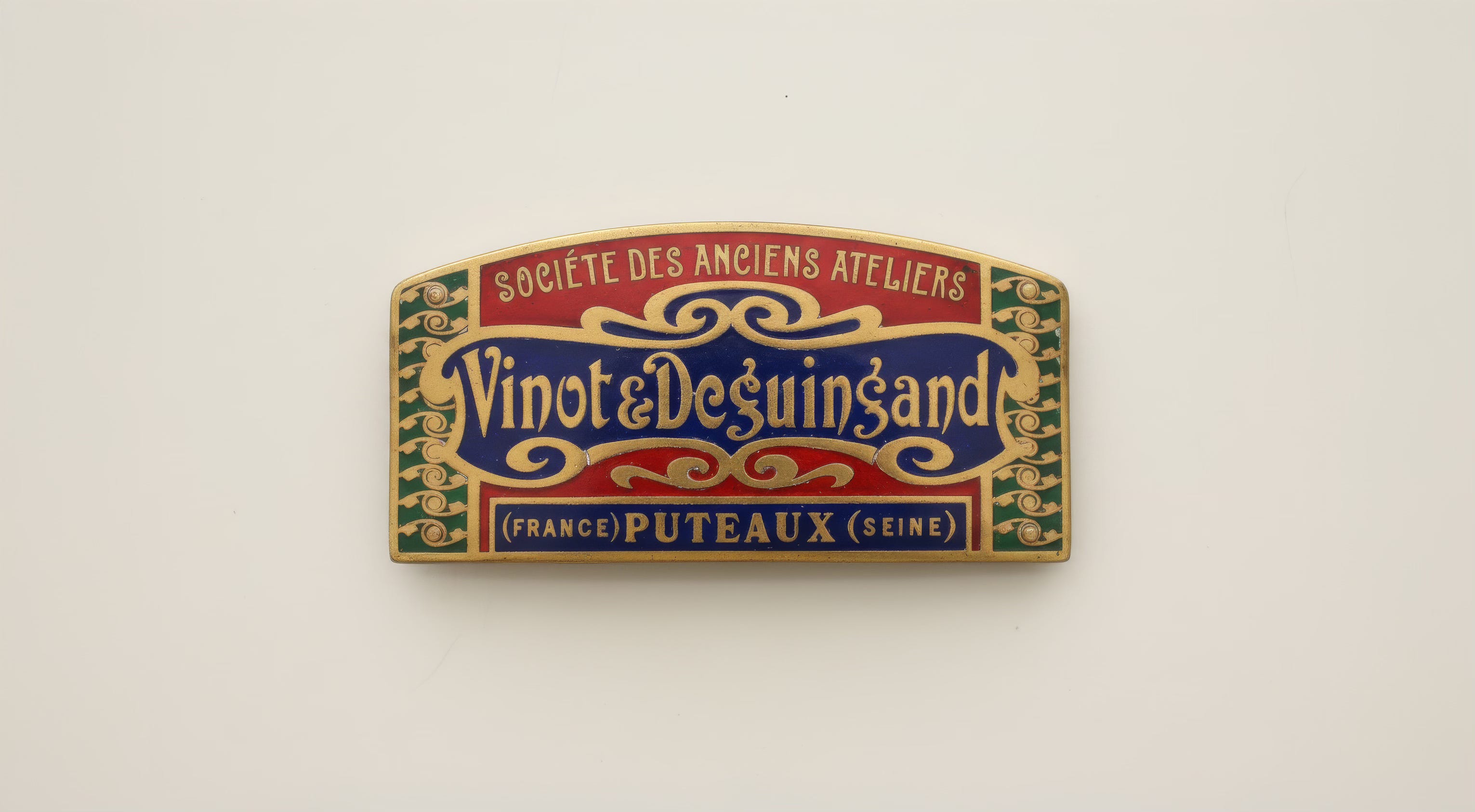
Today, surviving Vinot & Deguingand cars are rare and mostly found in museums or private collections. Their radiator badges—beautifully crafted in brass and enamel—are prized by collectors and historians, offering a glimpse into an era when even utilitarian automobiles wore artwork on their grilles.
The wooden-framed voiturettes, like the one preserved in some European museums, are particularly precious. They speak to a time when the automobile industry was still young, experimental, and full of character—before standardization, before mass production, and before the automobile became an everyday object.
Why Vinot & Deguingand Still Matters
Though they did not survive the industrial storm of the 1920s, Vinot & Deguingand played a meaningful role in shaping early motoring. Their evolution—from bicycles to prototypes to refined touring cars—mirrors the rapid advancement of automotive engineering in France.
They represent a moment in history when the car was an adventure, a curiosity, and a work of craftsmanship. And while the company’s name may have faded from popular memory, its creations remain a testament to the ingenuity and artistry of early French automotive design.
The Vinot & Deguingand below is currently at Col·lecció d’Automòbils Salvador Claret in Sils, Girona.