Nagant was founded in 1859 in Liège, Belgium, by brothers Émile and Léon Nagant.
Liège was one of Europe’s major arms-manufacturing centers, and Nagant quickly became a high-precision weapons manufacturer, supplying firearms to military and government clients.
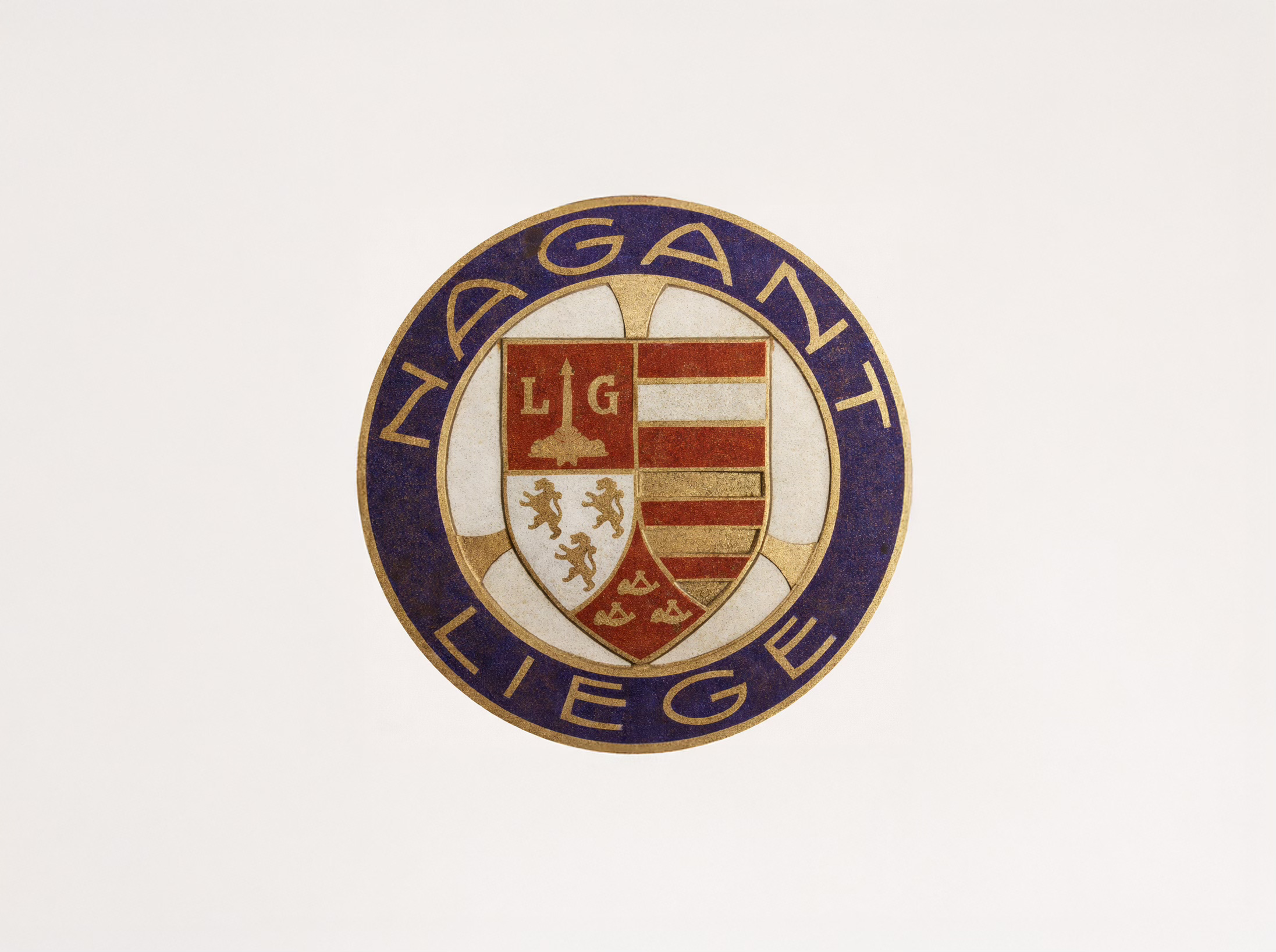
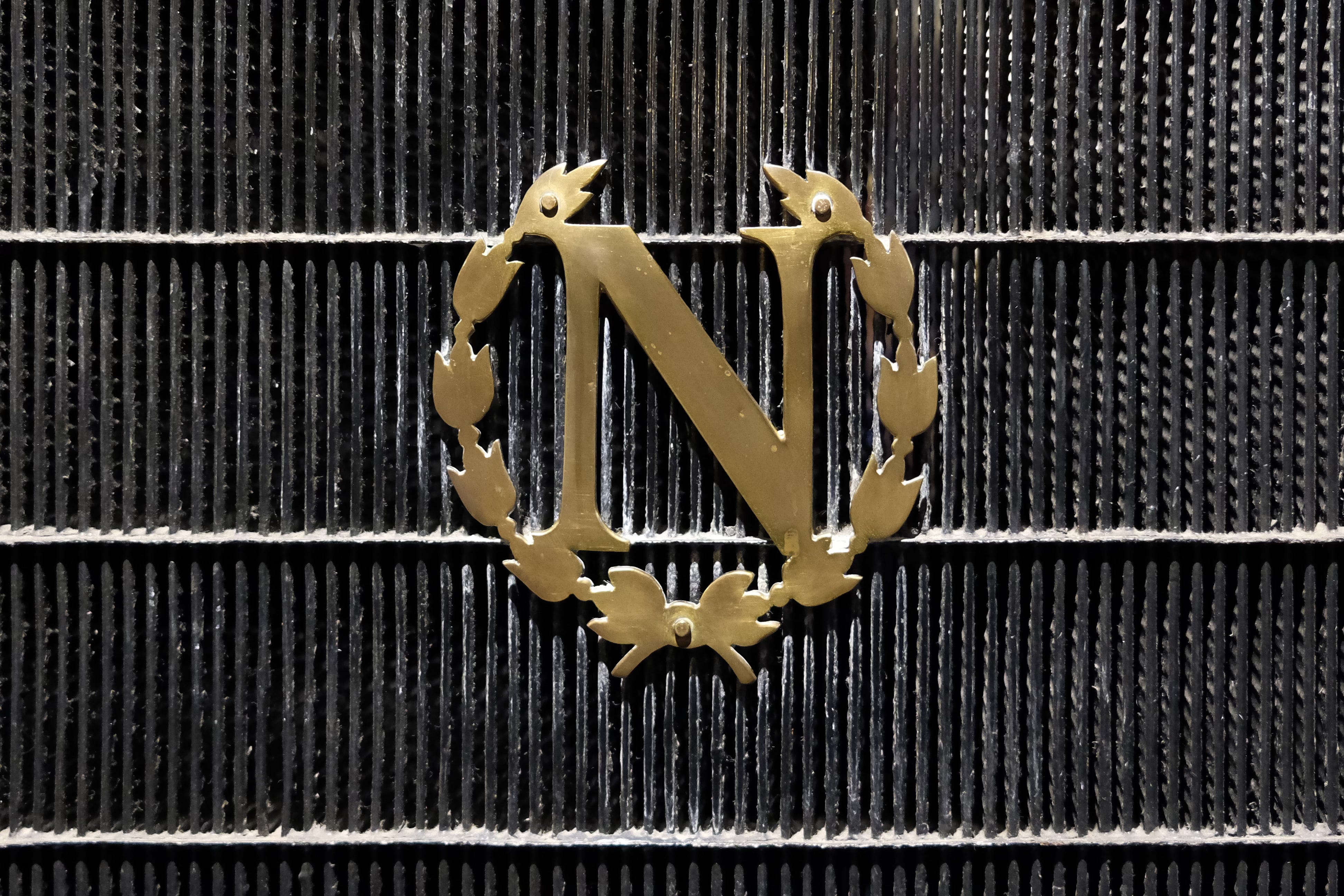
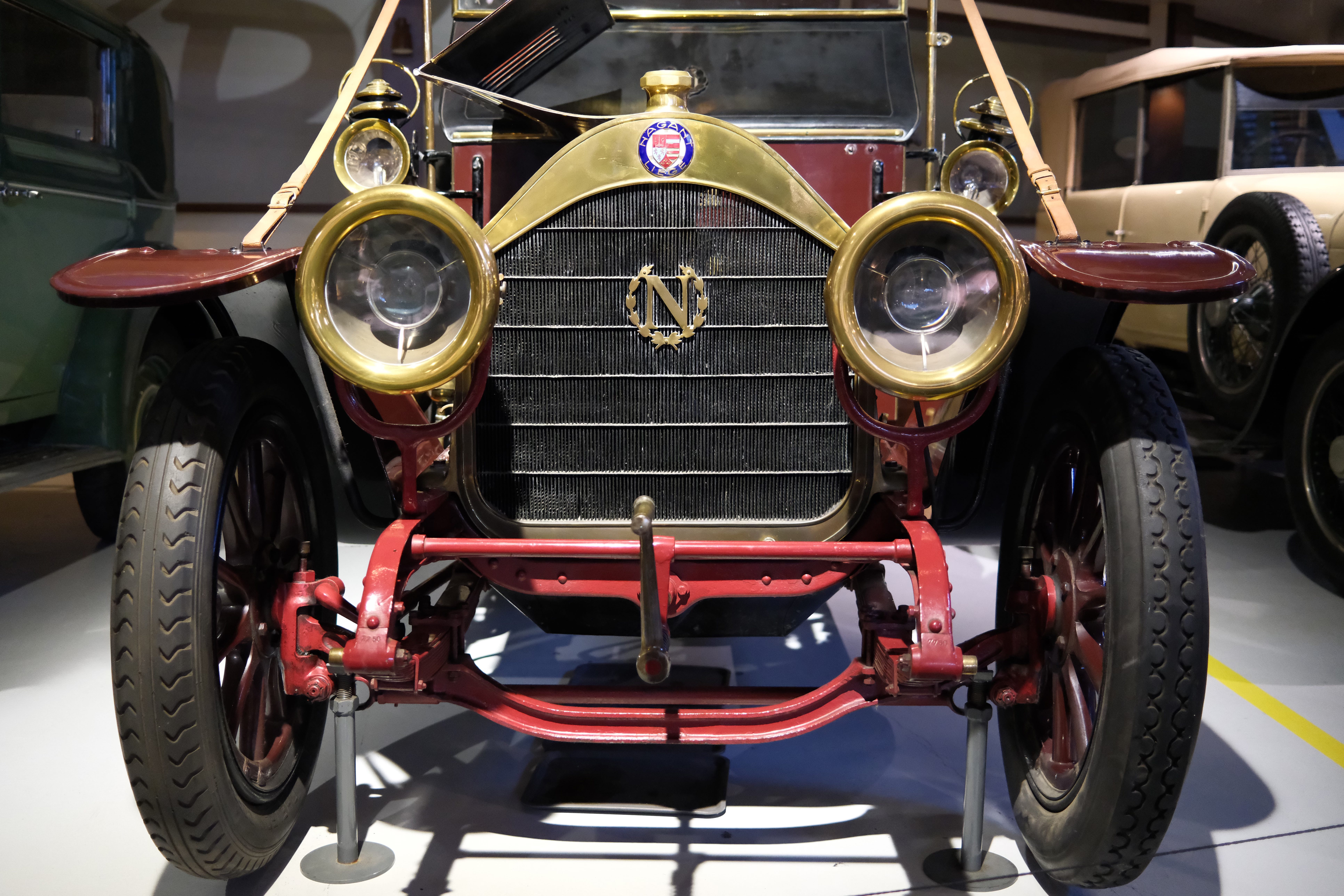
The “NAGANT LIÈGE” emblem above belongs squarely to the pre-1914 period, when the company proudly emphasized its city of origin.
Nagant’s most famous legacy in this field is the Nagant revolver, adopted by several European armies—most notably Russia, where the 1895 Nagant M1895 revolver became standard issue and remained in service for decades.
This background is important: Nagant entered automobiles not as coachbuilders, but as precision engineers, which strongly influenced the quality and seriousness of their early cars.
Nagant began automobile production around 1899–1900, initially building cars under license from Rochet-Schneider of France. By 1903–1904, Nagant was producing its own designs, no longer licensed.
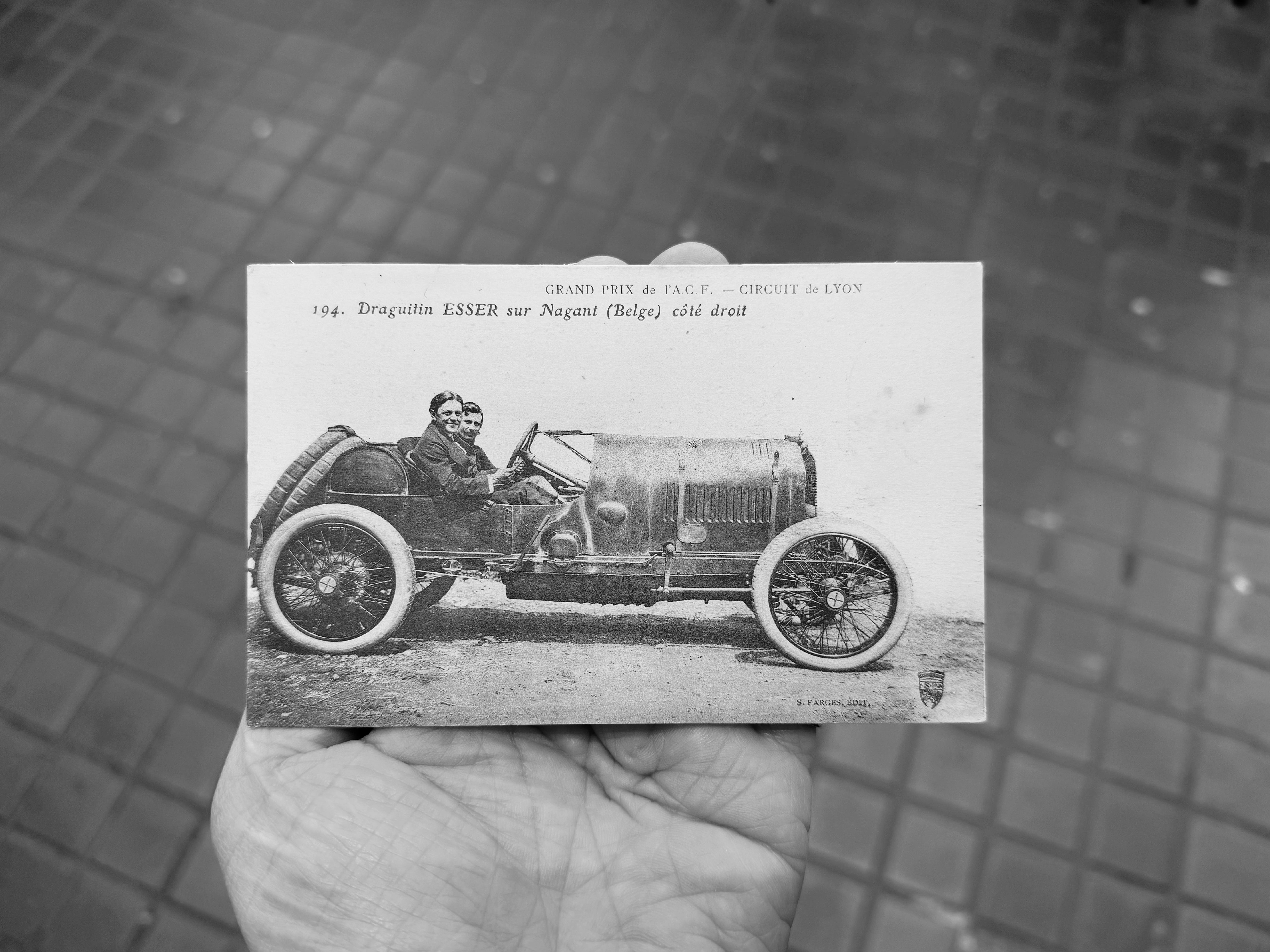
Between 1904 and World War I, Nagant became Belgium’s most important automobile manufacturer. They produced Touring cars, Luxury vehicles and Competition and racing cars. Nagant cars were not flamboyant, but they were respected and feared for their durability—a reputation inherited directly from their arms-manufacturing culture.
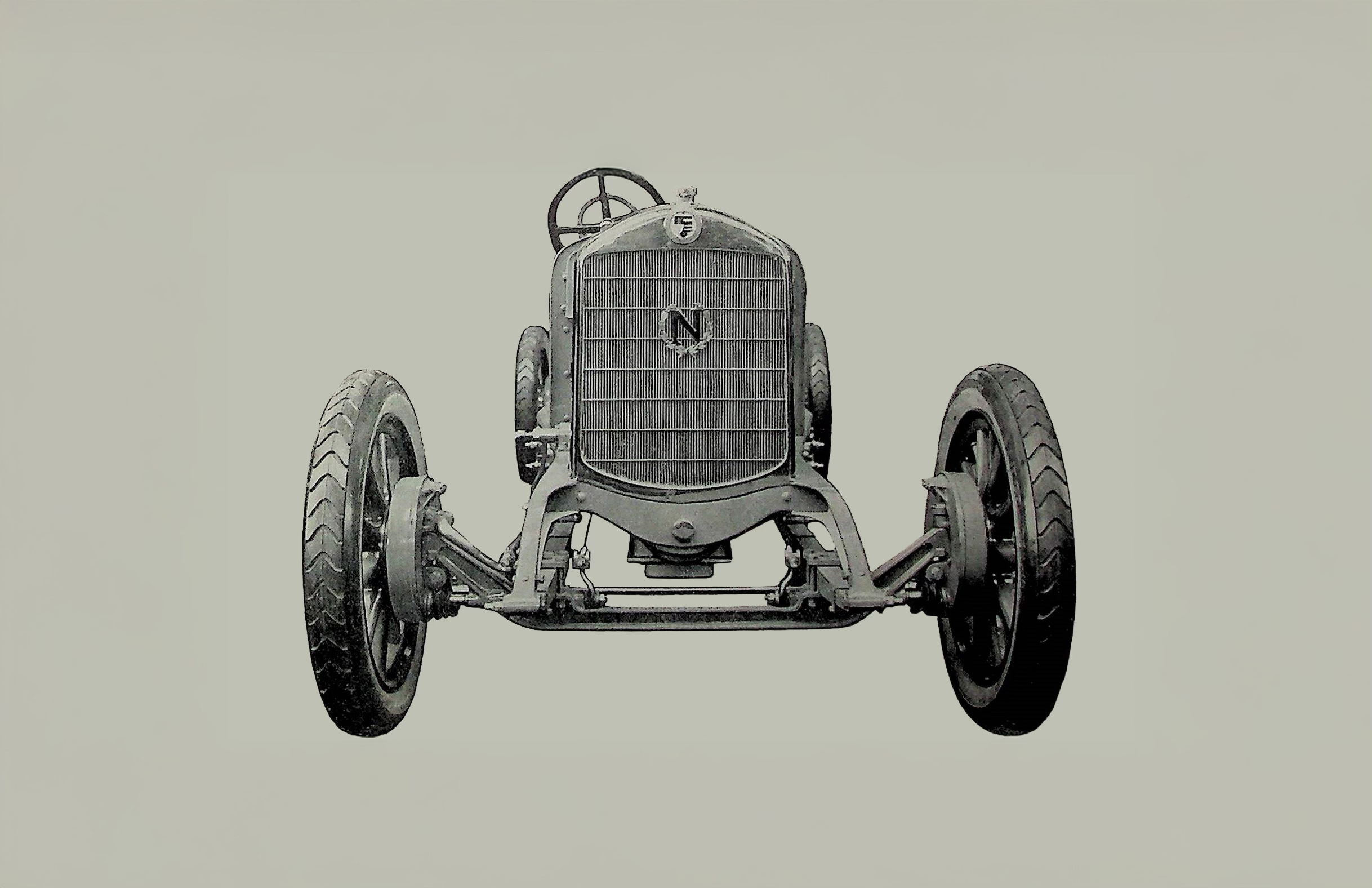
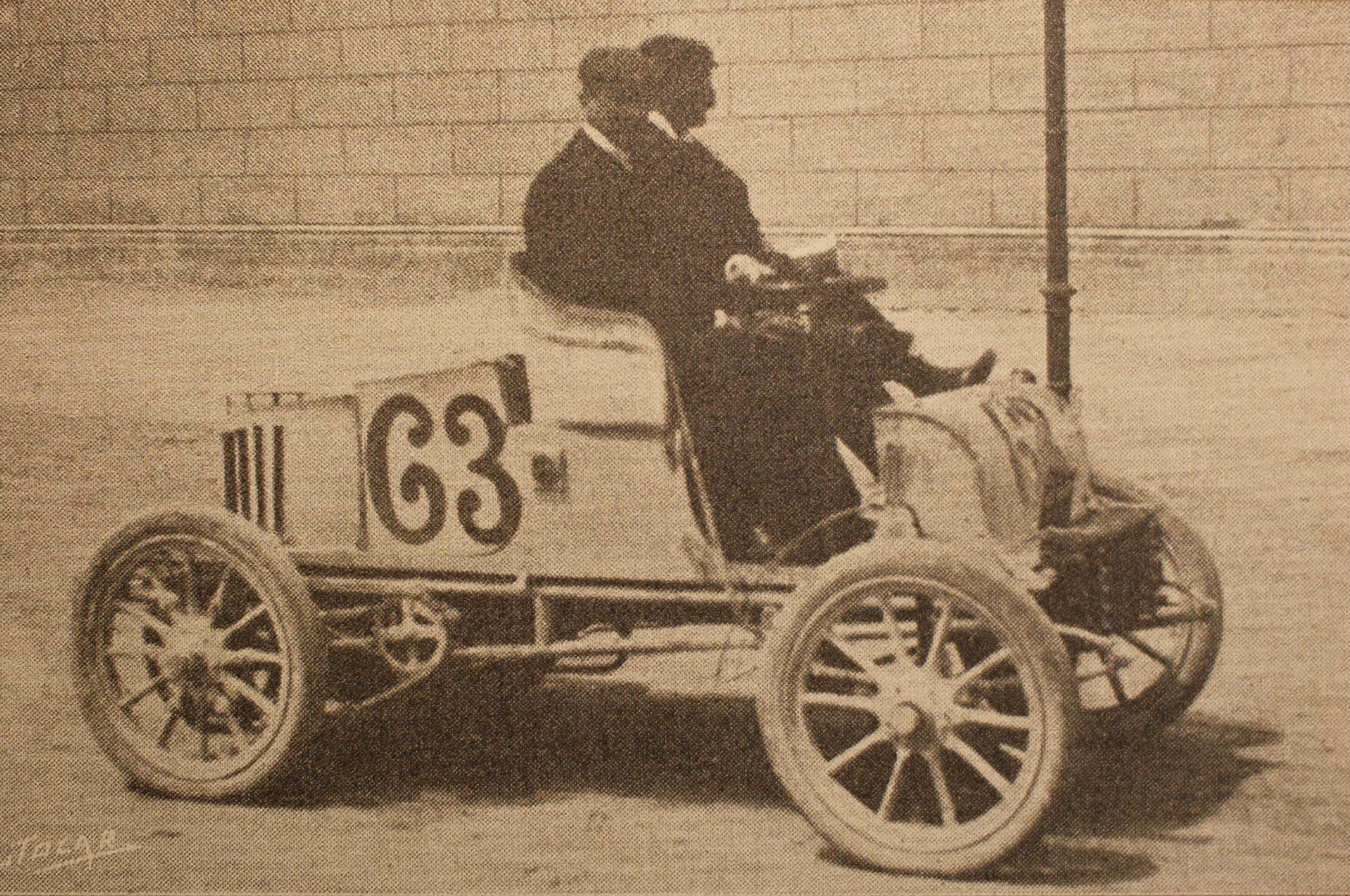
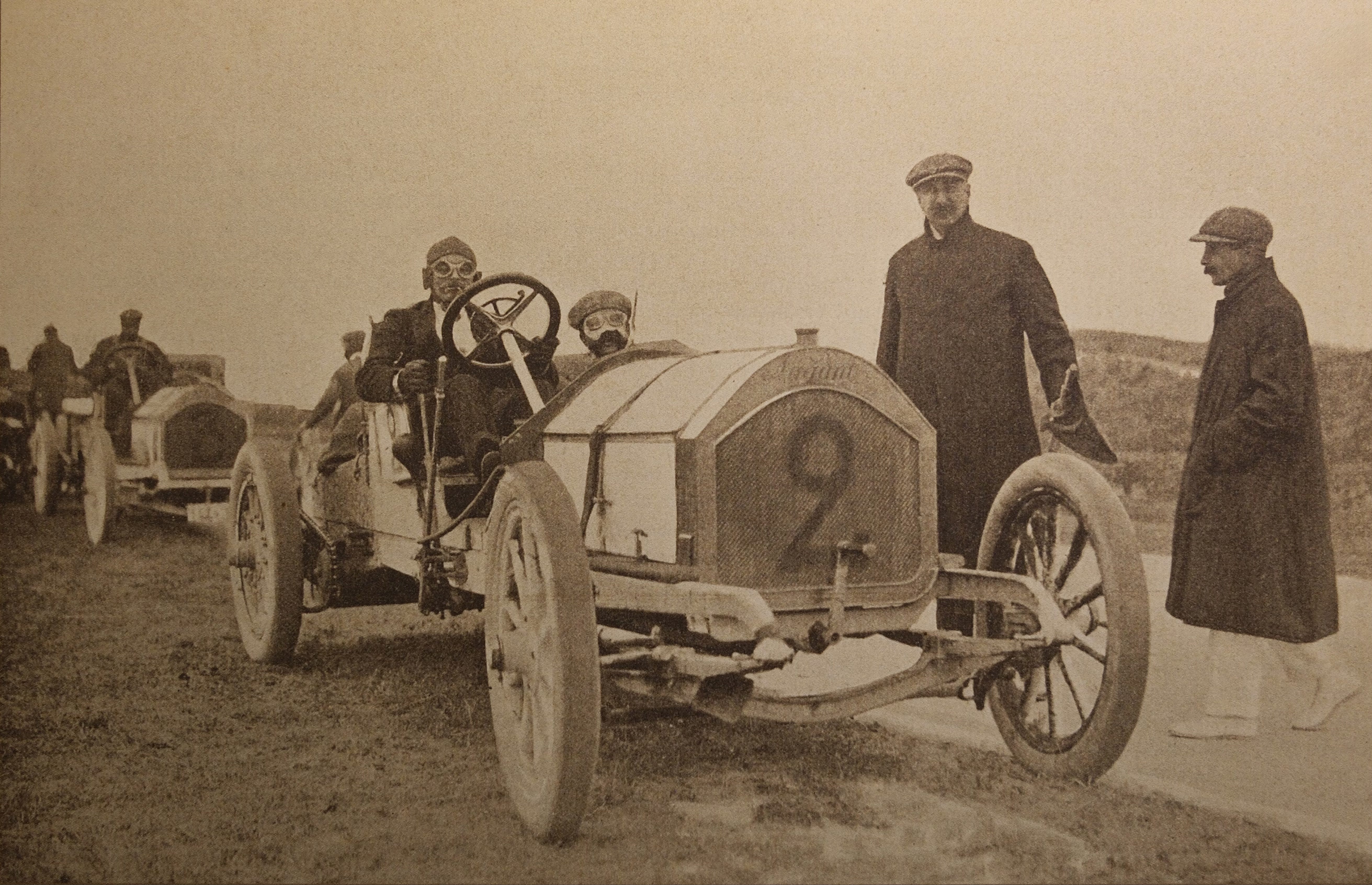
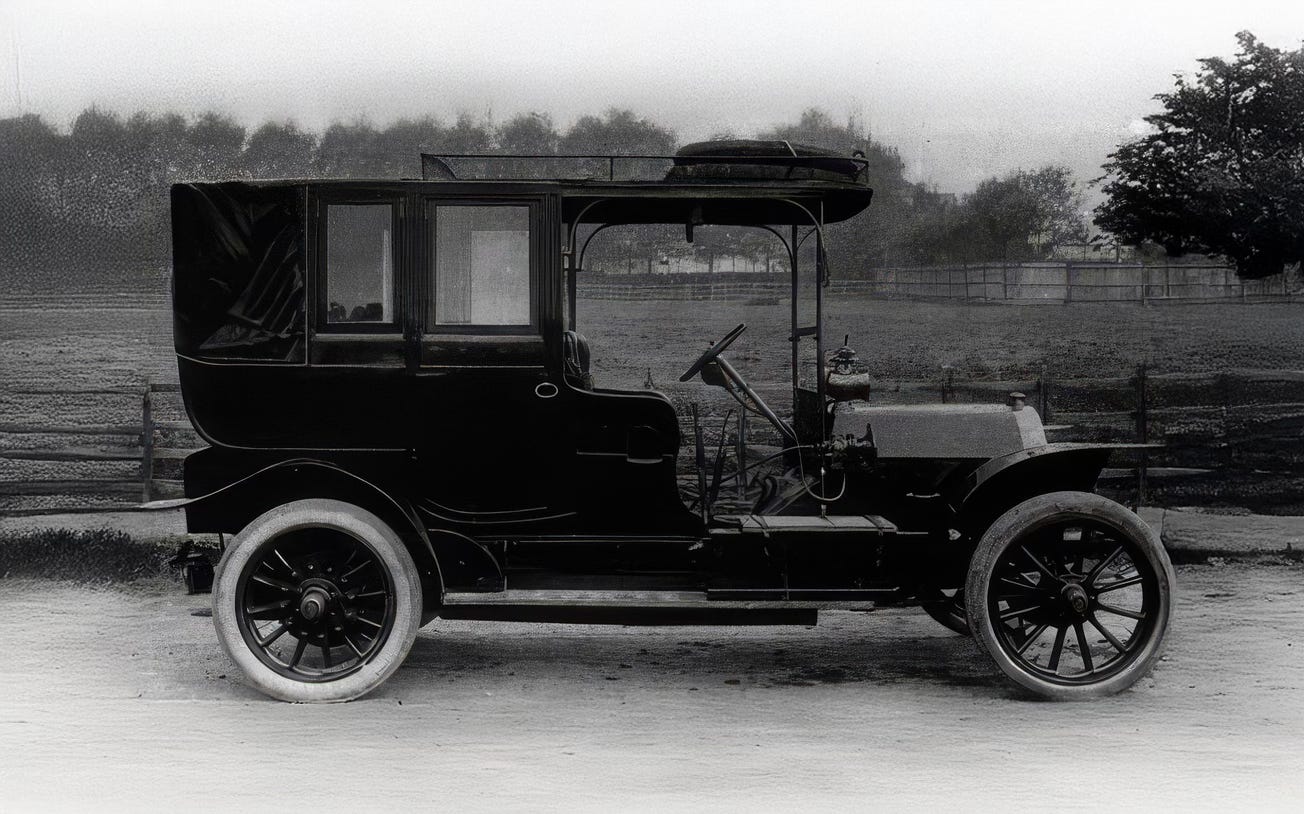
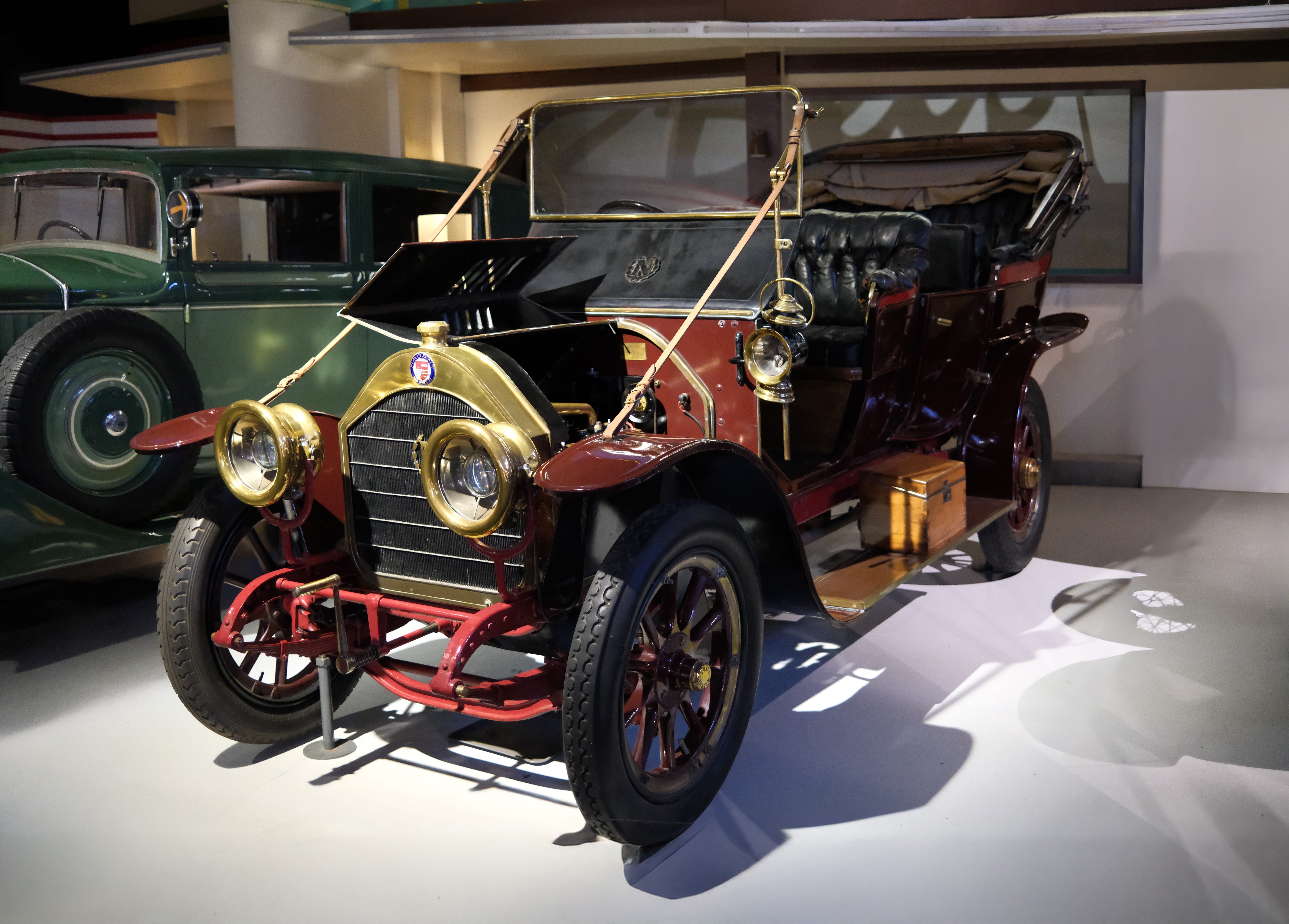
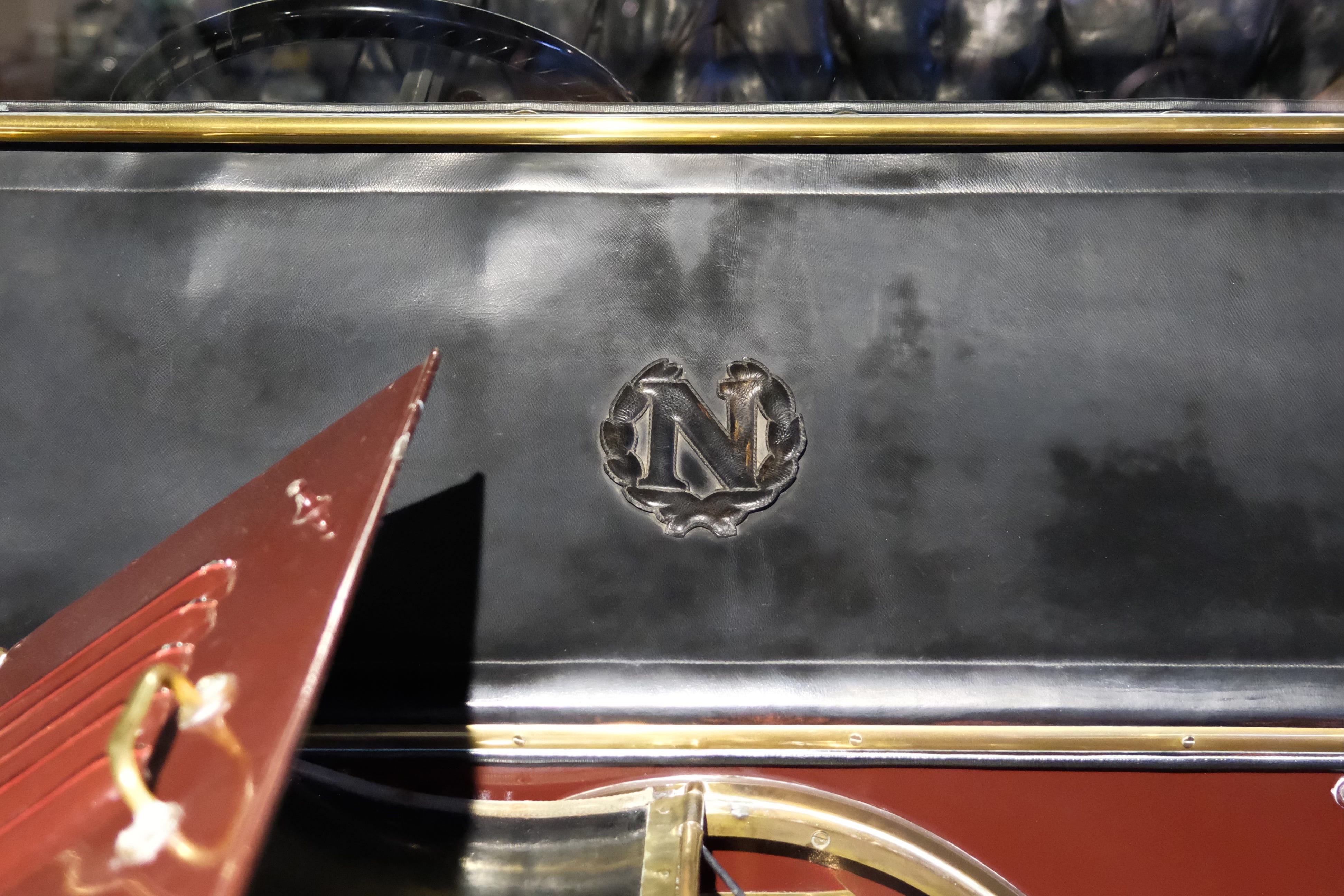
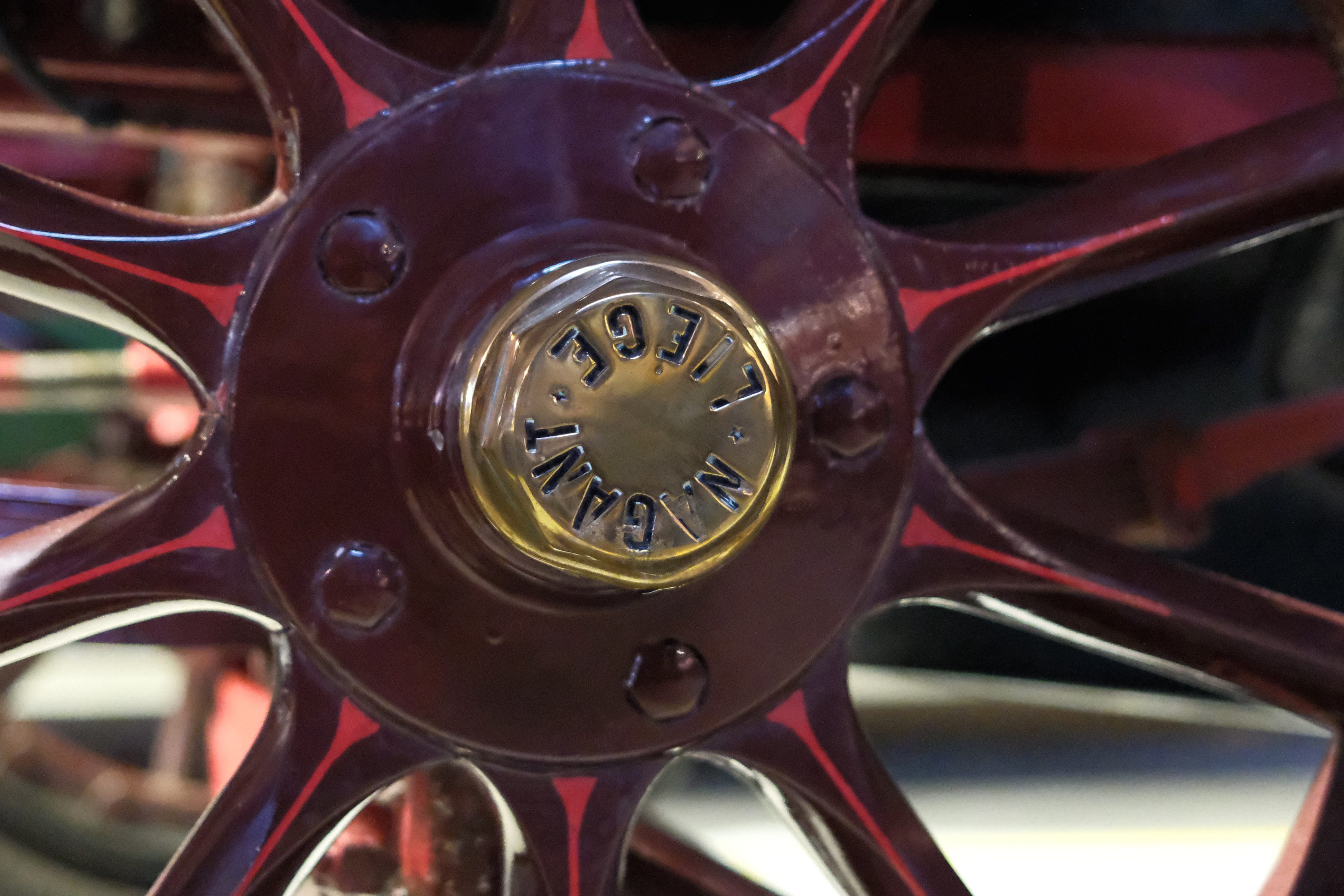
1910 Nagant Type 7000-J.
In the pioneering years of the automobile, aesthetic considerations played only a minor role.
Engineers dominated early vehicle development, and automobiles were little more than motorized carriages for wealthy clients. Most manufacturers therefore limited production to the chassis and drivetrain, leaving external coachbuilders to construct the bodywork. The continued use of terms such as coachwork and carrosserie reflects this direct lineage from horse-drawn vehicles. Functional design, however, was seldom a priority.
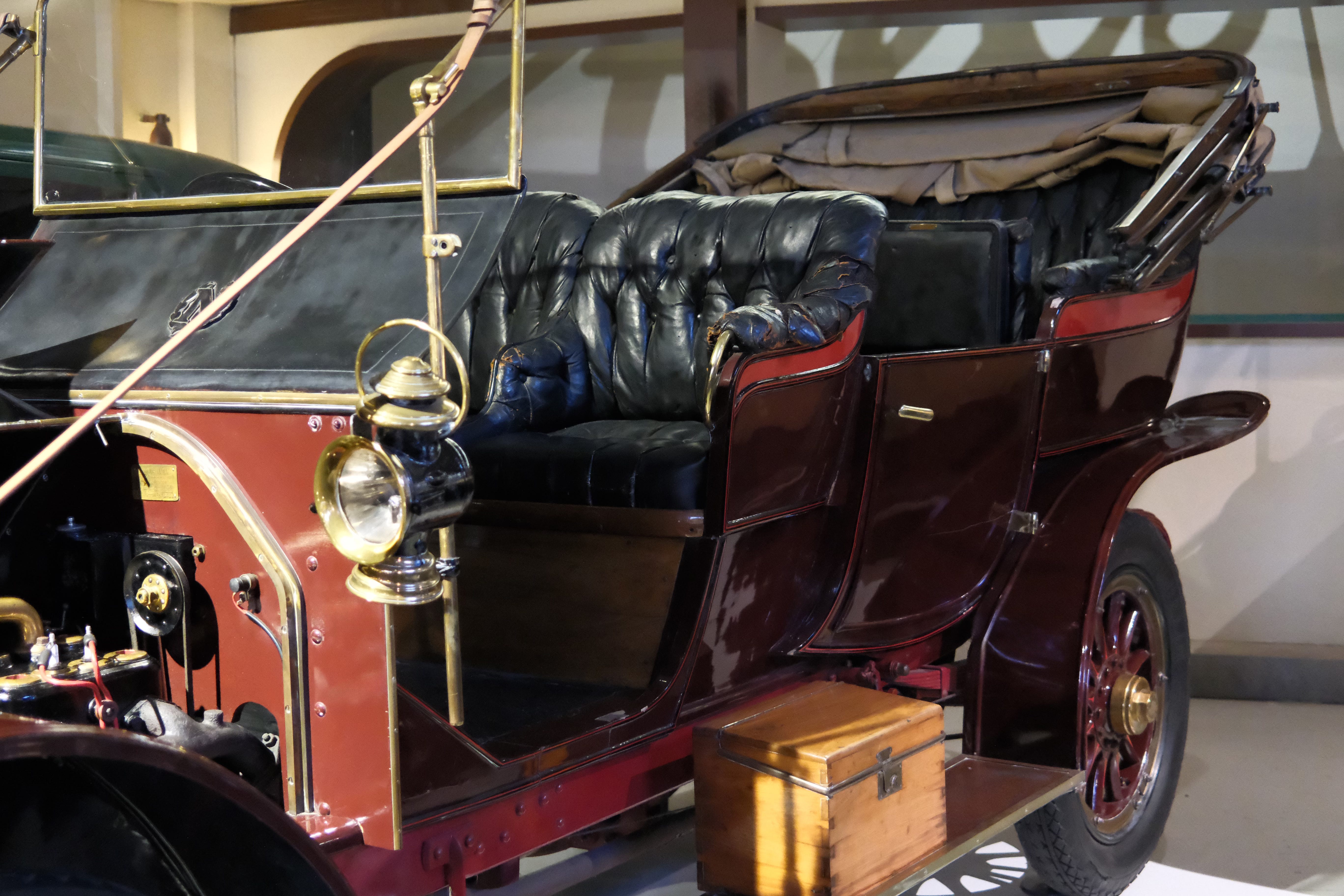
This phaeton (currently at Autoworld in Brussels, Belgium) is distinguished by the inclusion of two folding seats, increasing total seating capacity to seven. The body design is derived from the Roi-des-Belges style, reportedly conceived at the request of King Leopold II. Seeking the comfort of club chairs similar to those in his private salon, the king commissioned the Parisian coachbuilder Rothschild to develop this configuration.
In a traditional Roi-des-Belges body, access to the passenger compartment is provided via a rear door. In this example, however, the coachbuilder D’Ieteren opted for more practical side doors.