


Martini was one of Switzerland’s most important early automobile manufacturers and one of the country’s longest-surviving passenger-car marques.
Its origins date to 1860, when engineer and inventor Friedrich von Martini established a machinery manufacturing business in Frauenfeld, Switzerland.
The company initially produced industrial machinery and later became internationally known for firearms, particularly the Martini-Henry rifle mechanism.
After Friedrich’s death in 1897, his son Adolf von Martini took control of the business and accelerated its transition into automobile manufacturing. An experimental rear-engine automobile appeared in 1897, followed by more conventional designs and four-cylinder production vehicles beginning around 1902.
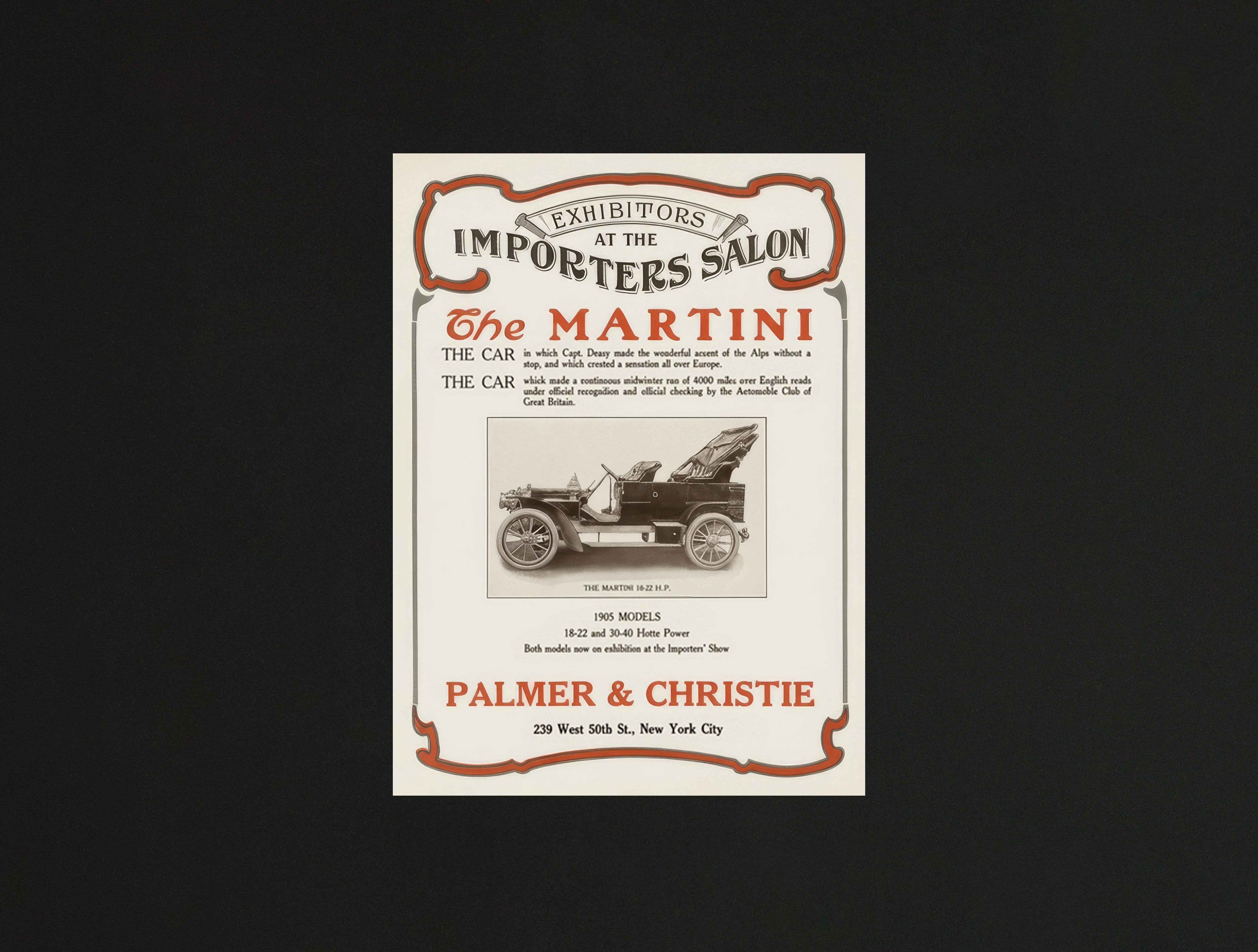
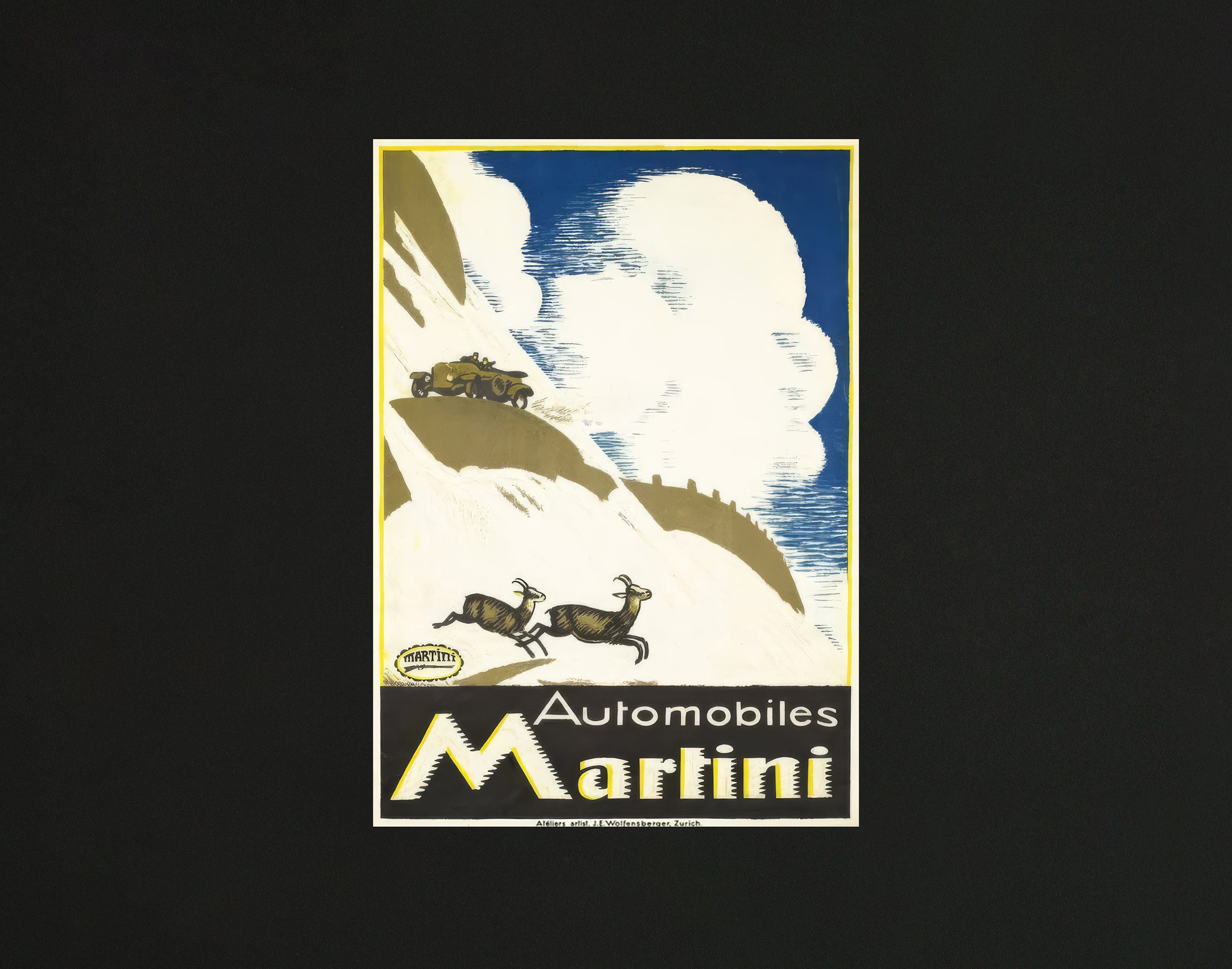
Martini automobiles became particularly associated with reliability and performance on steep Alpine roads.
An important early publicity achievement was the successful ascent of the Rochers-de-Naye mountain railway route above Montreux. British representative Captain H. H. P. Deasy also promoted Martini through demanding Alpine motoring demonstrations.
In 1906, Martini participated in a highly publicized long-distance comparison against Rolls-Royce. Although Martini did not win, the challenge helped introduce the Swiss marque to an international audience.
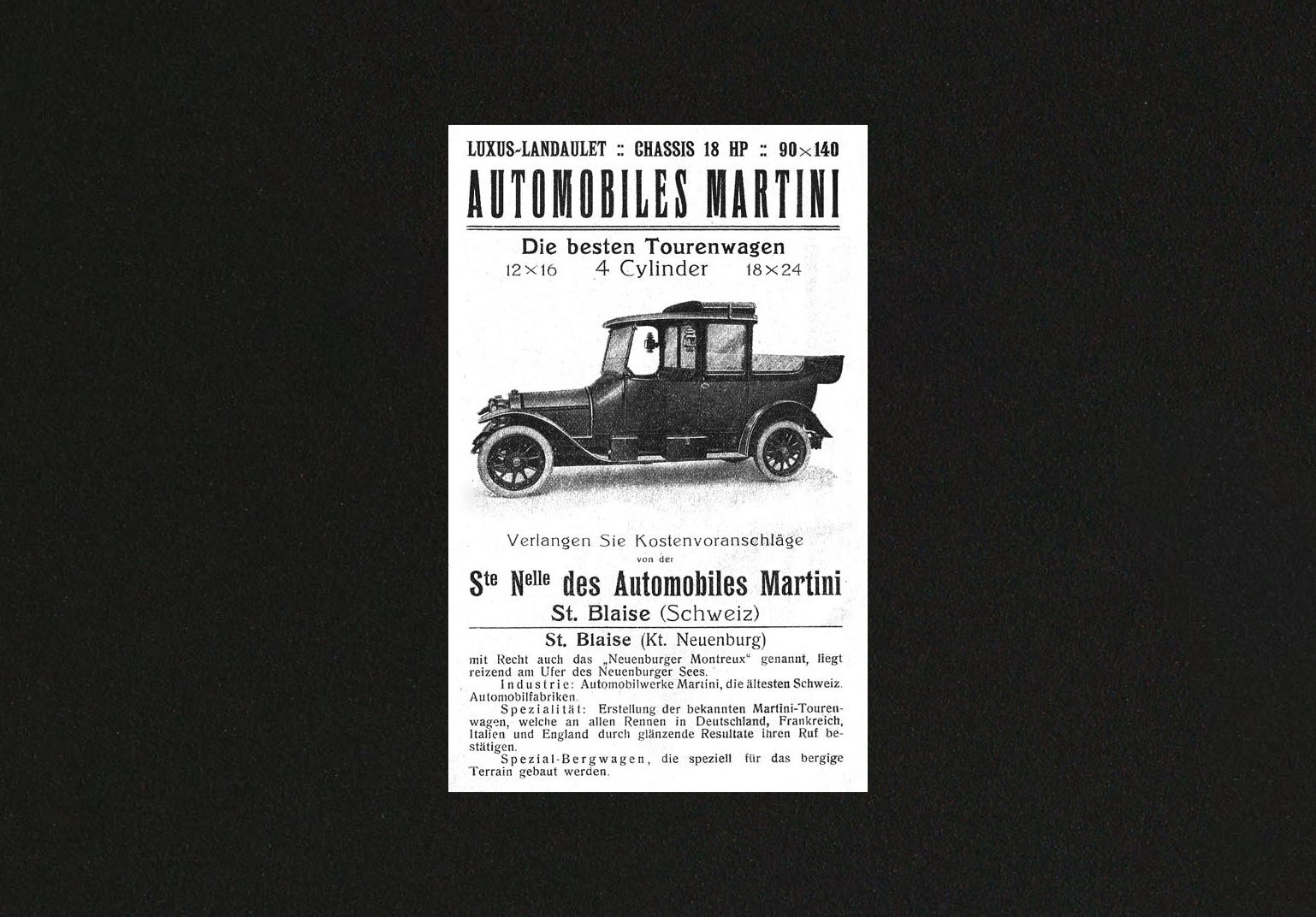
Growing demand led to a larger factory at Saint-Blaise, near Neuchâtel, in the early 1900s.

The company developed an increasingly sophisticated range of touring and sporting automobiles, including vehicles with advanced overhead-camshaft engines. Its cars also competed in hill-climbing and other motoring events.
Financial difficulties led to British ownership in 1905, followed by a return to Swiss ownership in 1908. Martini subsequently rebuilt its position as a leading Swiss manufacturer.
One representative vehicle was the 1913 Martini GC, a six-passenger touring car with a 2.9-liter four-cylinder engine and an approximately 80 km/h (50 mph) top speed.
Decline and closure, 1920–1934
After World War I, Martini struggled against growing competition from larger European manufacturers, which could produce automobiles more economically.
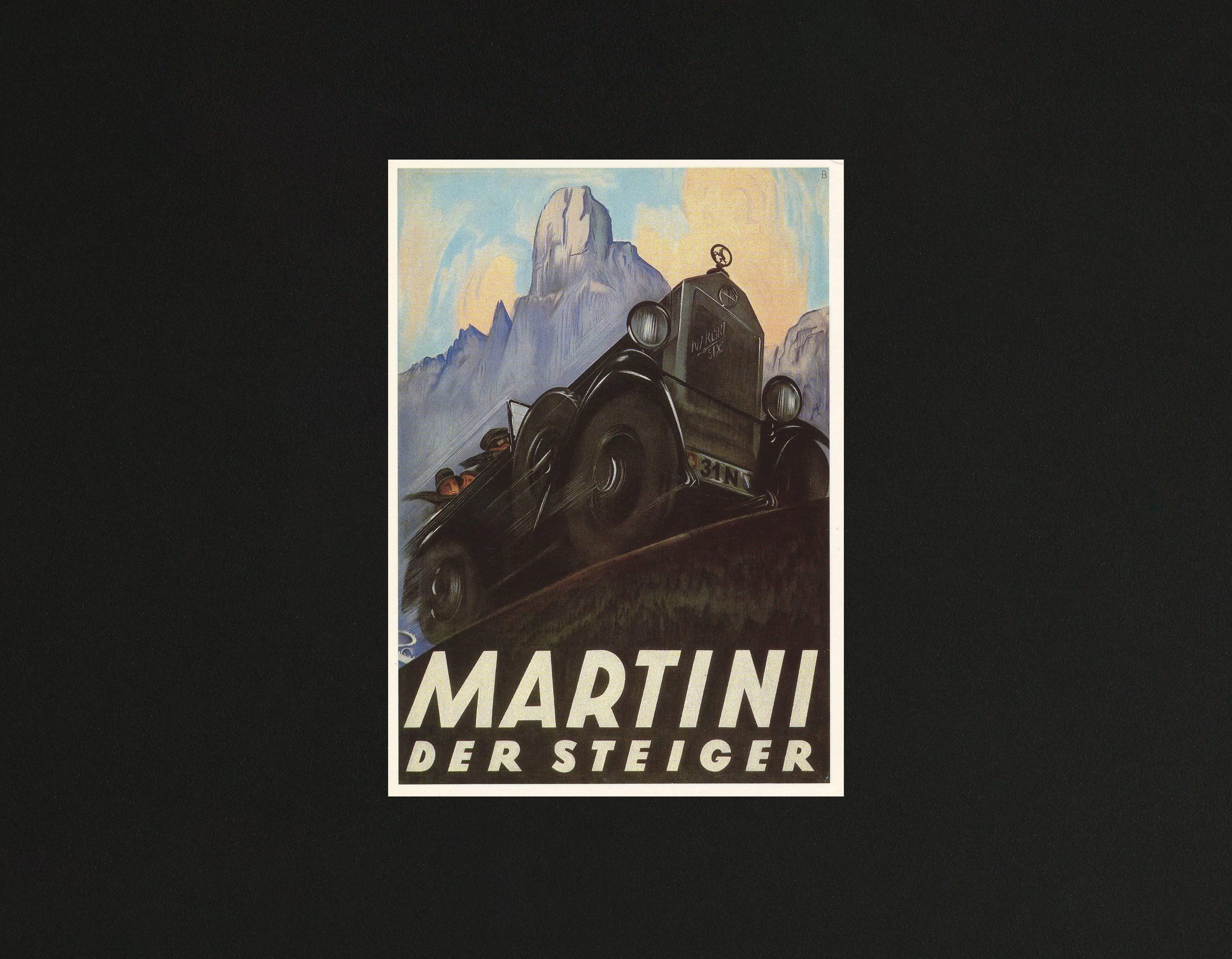
In 1924, the German Steiger brothers took control of the company and introduced new six-cylinder Martini-Steiger models. The marque continued producing expensive, carefully built automobiles, but sales remained limited.
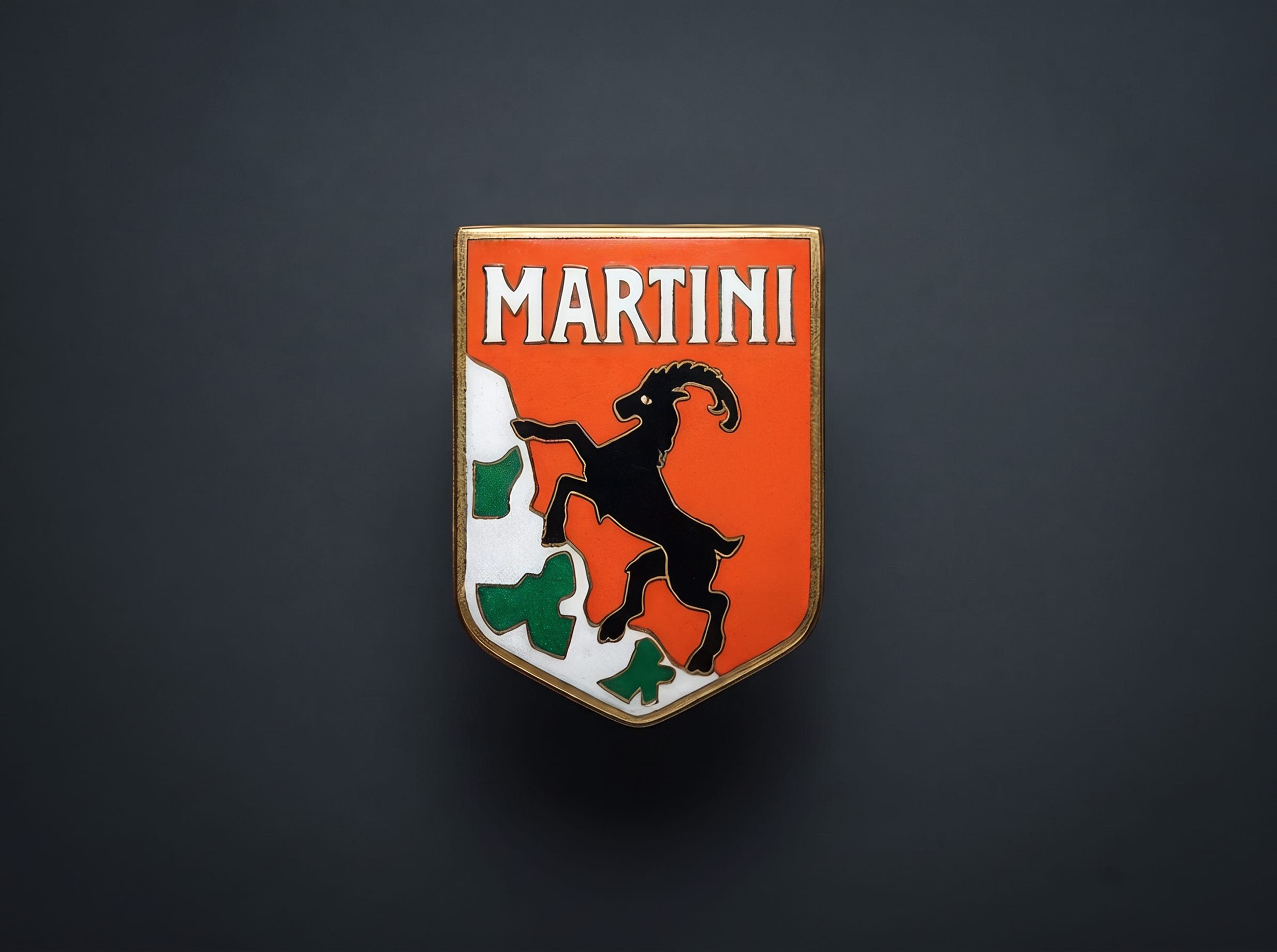
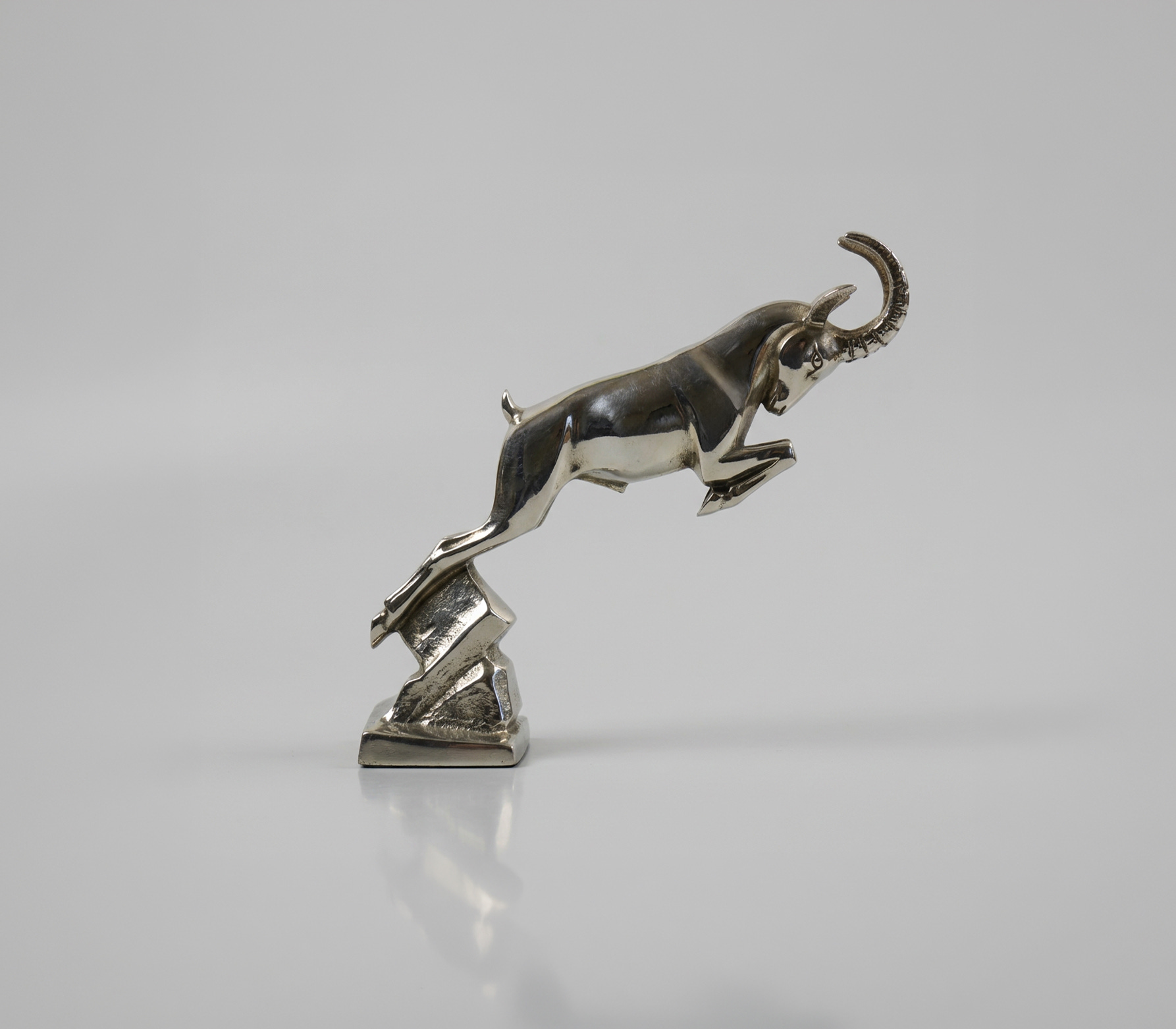
Martini used an Alpine ibex (a wild mountain goat) as a hood ornament and in its branding during the Martini-Steiger period of the late 1920s. The animal was originally associated with Steiger, the German automobile manufacturer whose owners took control of Martini in 1924. The Steiger family's ibex emblem was adopted in branding and appeared as a radiator-cap ornament on cars of the later period.
The Great Depression further weakened the business, and production ended in 1934, bringing approximately 37 years of Martini automobile history to a close.