


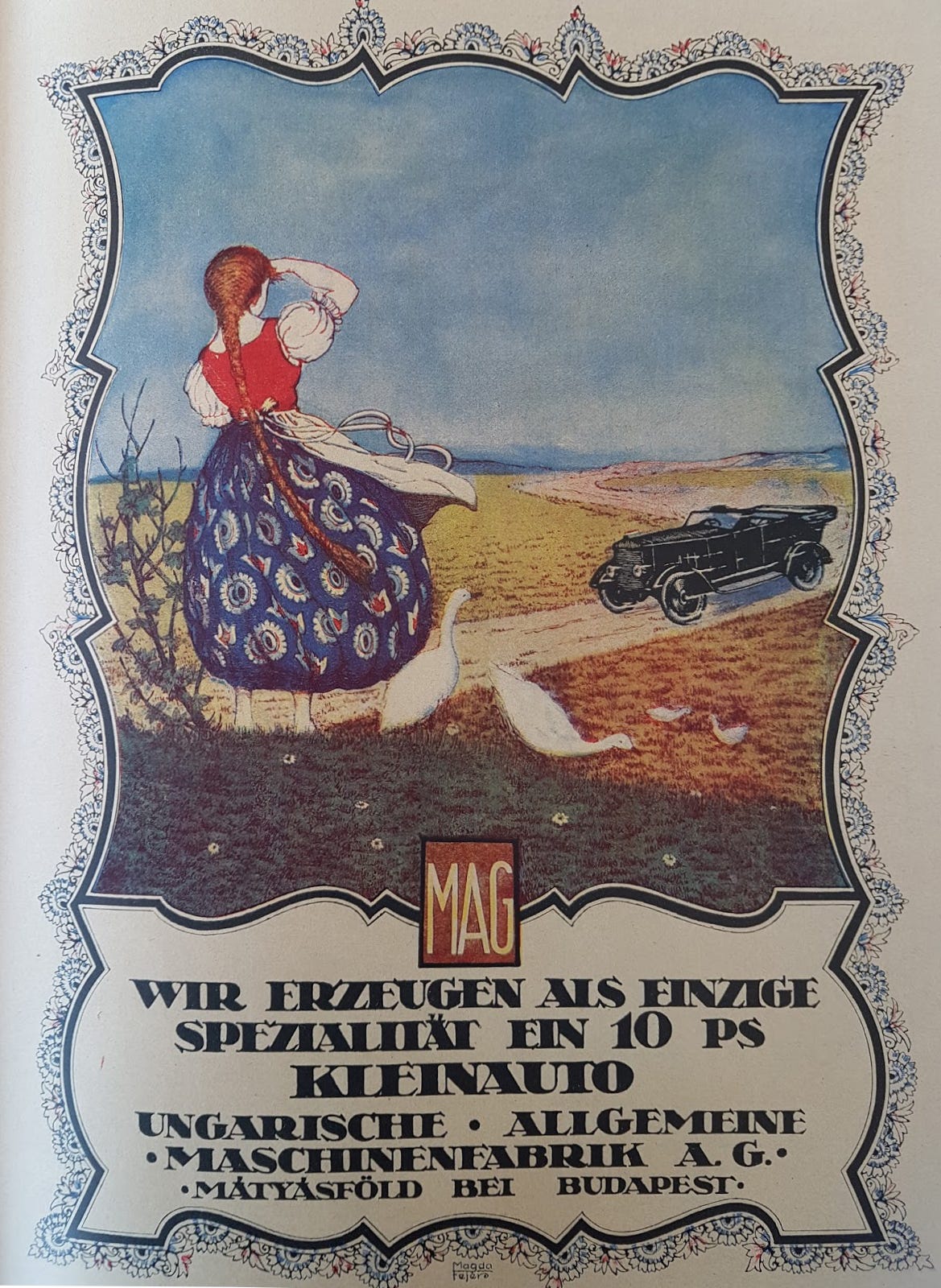
The M.A.G. (Magyar Altalanos Gepgyar) company started car production in the Hungarian capitol of Budapest in 1912.
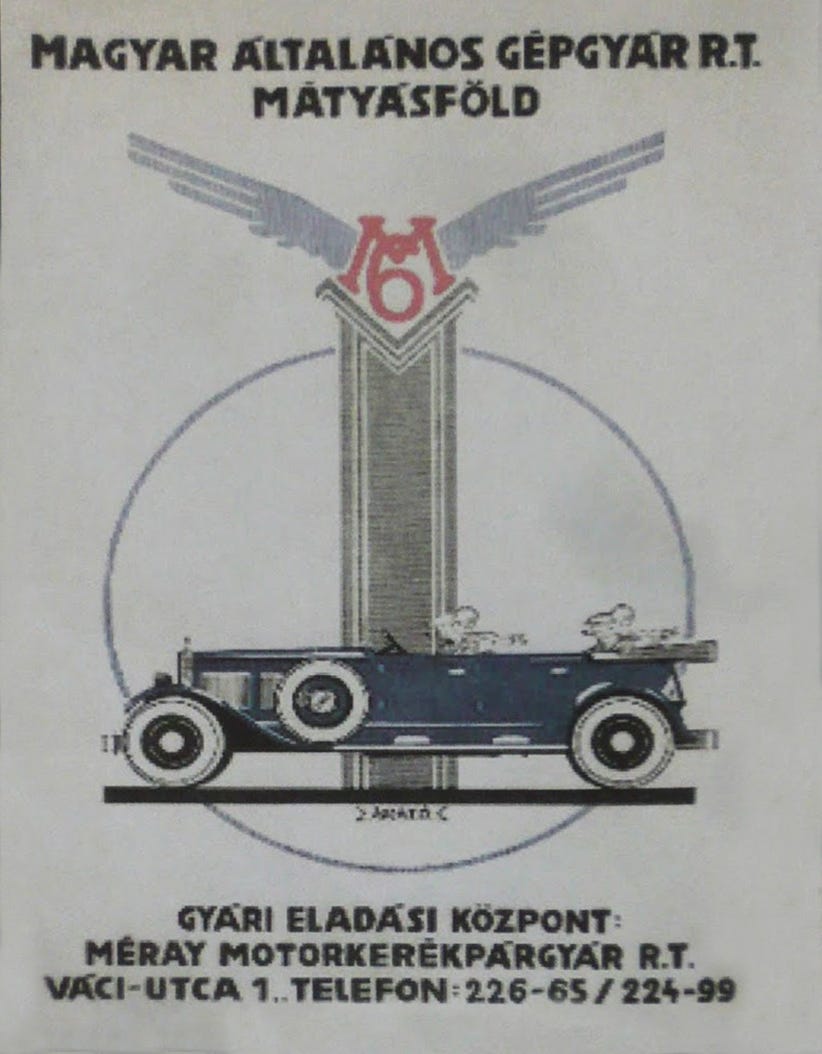
MÁG (Magyar Általános Gépgyár)—translated as Hungarian General Machine Factory—was one of Hungary’s most important early automobile manufacturers and later became a significant producer of aircraft and aircraft engines. Although the company officially adopted the MÁG name in 1912, its roots stretch back to 1884, making it one of the oldest engineering firms in Hungary.
The company began as a machinery business founded in Budapest by Dániel Podvinecz and Vilmos Heisler. Initially they manufactured agricultural equipment, mill machinery, and industrial engines. Around 1900 they became interested in the emerging automobile industry.
Rather than immediately designing their own cars, they assembled vehicles from parts purchased from struggling Austrian and German manufacturers, including Leesdorfer, Cudell, and later Alba. These early vehicles were marketed under the Phönix name.
In 1912, the business was reorganized as Magyar Általános Gépgyár Rt. (MÁG). The Hungarian government was actively encouraging domestic automobile production, particularly for military and postal use.
The company hired the talented engineer Jenő Fejes, formerly of MARTA, to design an entirely new automobile. The result was MÁG’s first true in-house passenger car. Only about 50 chassis were built, with coach builders supplying the bodies.
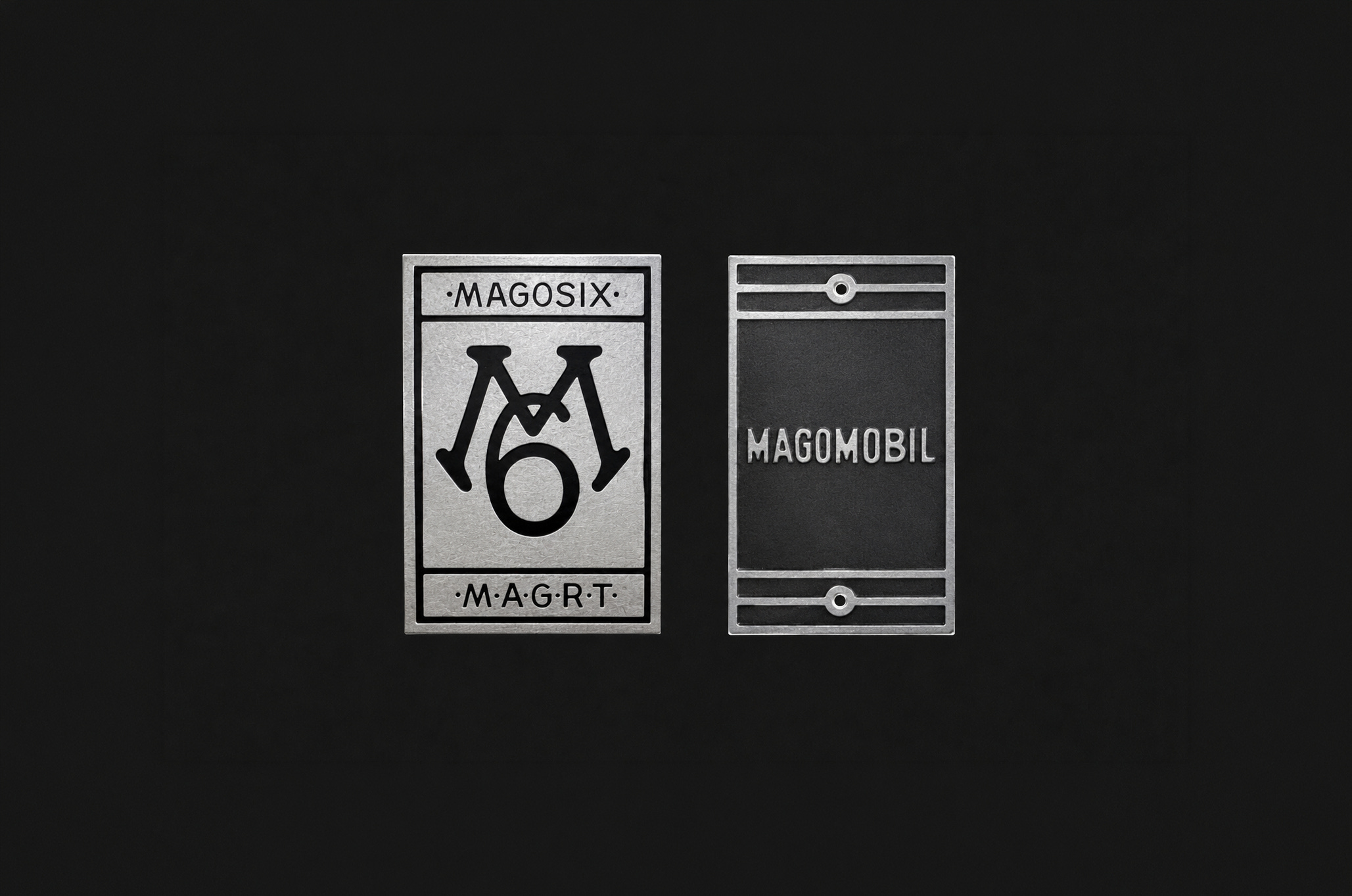
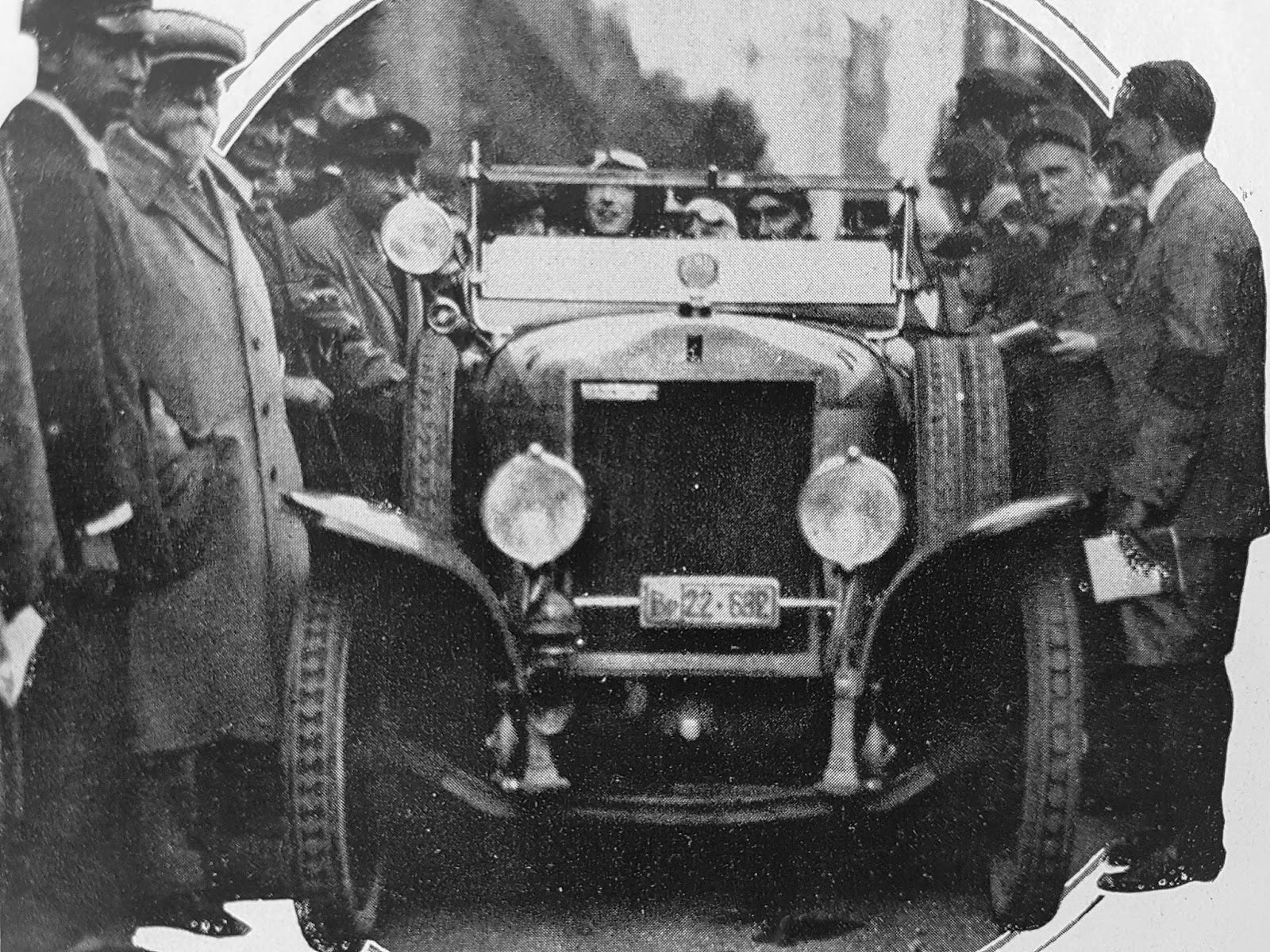
When war began in 1914, civilian automobile production was largely suspended, so MÁG shifted its resources toward aviation. After the war, Hungary's economy struggled, but MÁG resumed automobile production. Its best-known postwar car was the Magomobil, introduced around 1922.
During the mid-1920s, MÁG was among Hungary's most common automobile brands, competing against imported Fiat, Ford, Mercedes, Opel, and Austro-Daimler models. Despite building reliable cars, MÁG faced increasing challenges. Passenger-car production ended around 1931, although the company continued producing engines and military equipment. In 1941, MÁG was dissolved and its remaining assets were absorbed into Hungary's wartime industrial system.
(sources: Wikipedia, National Széchényi Library, Budapest City )
another great interesting post - thanks