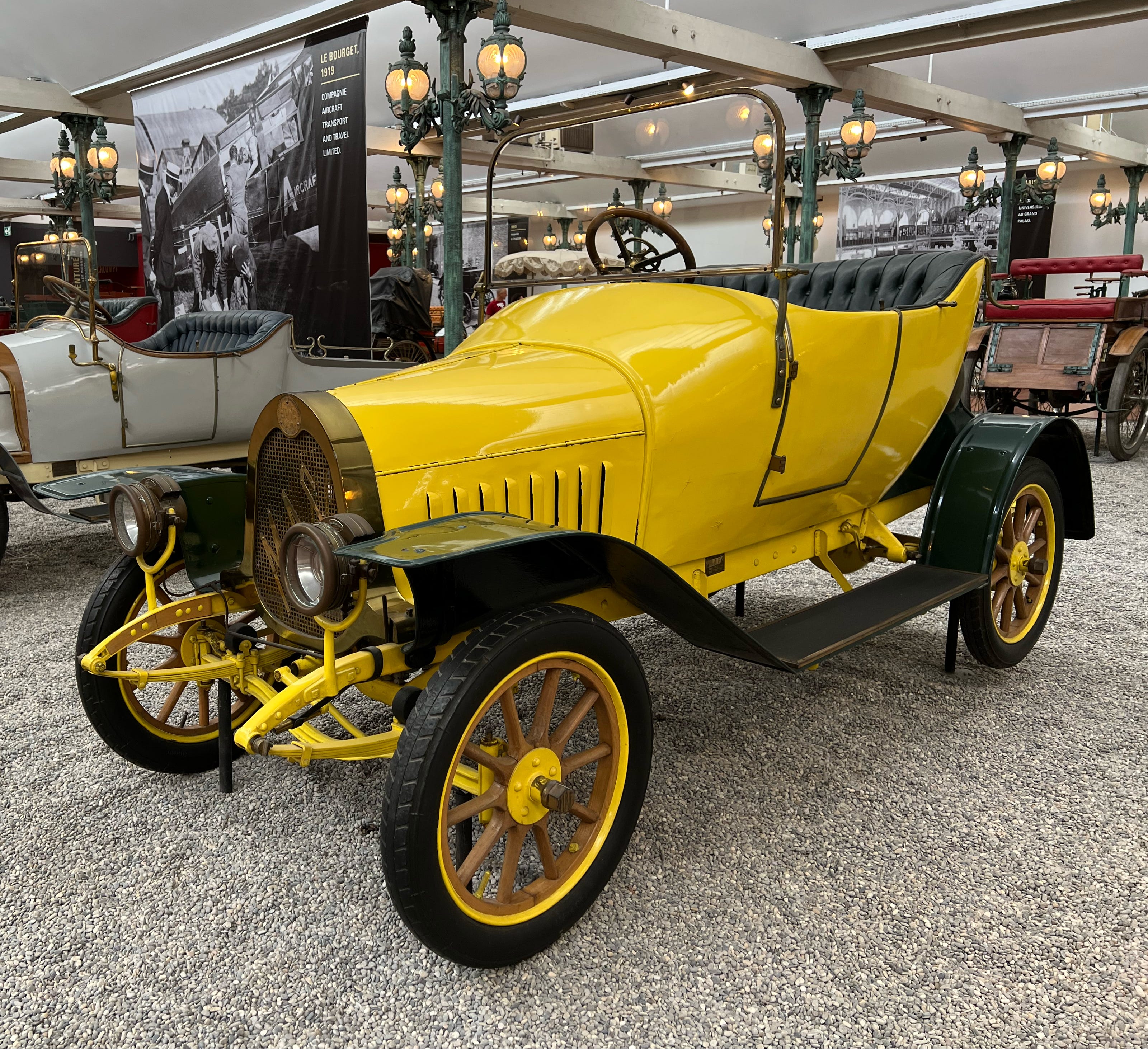
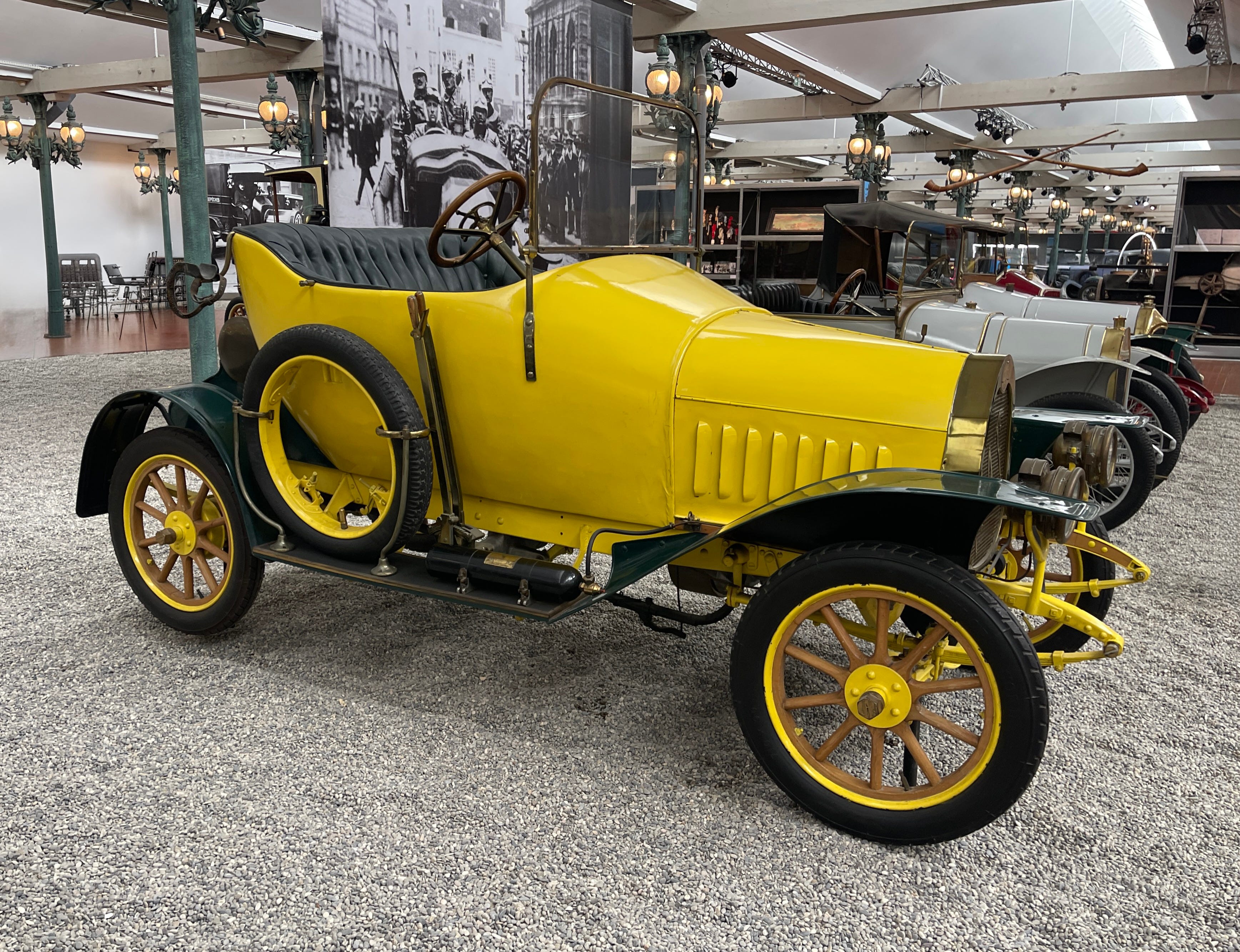
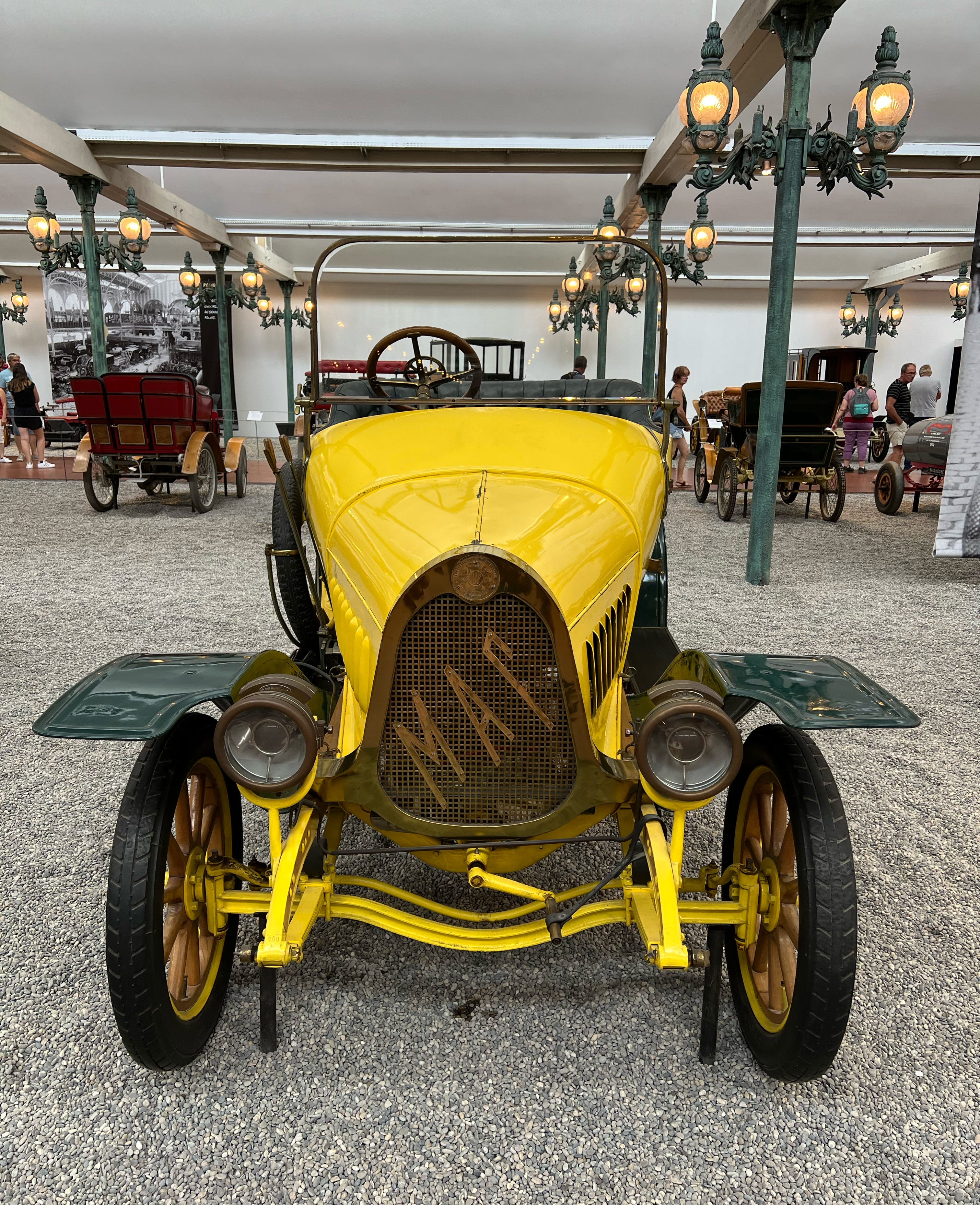
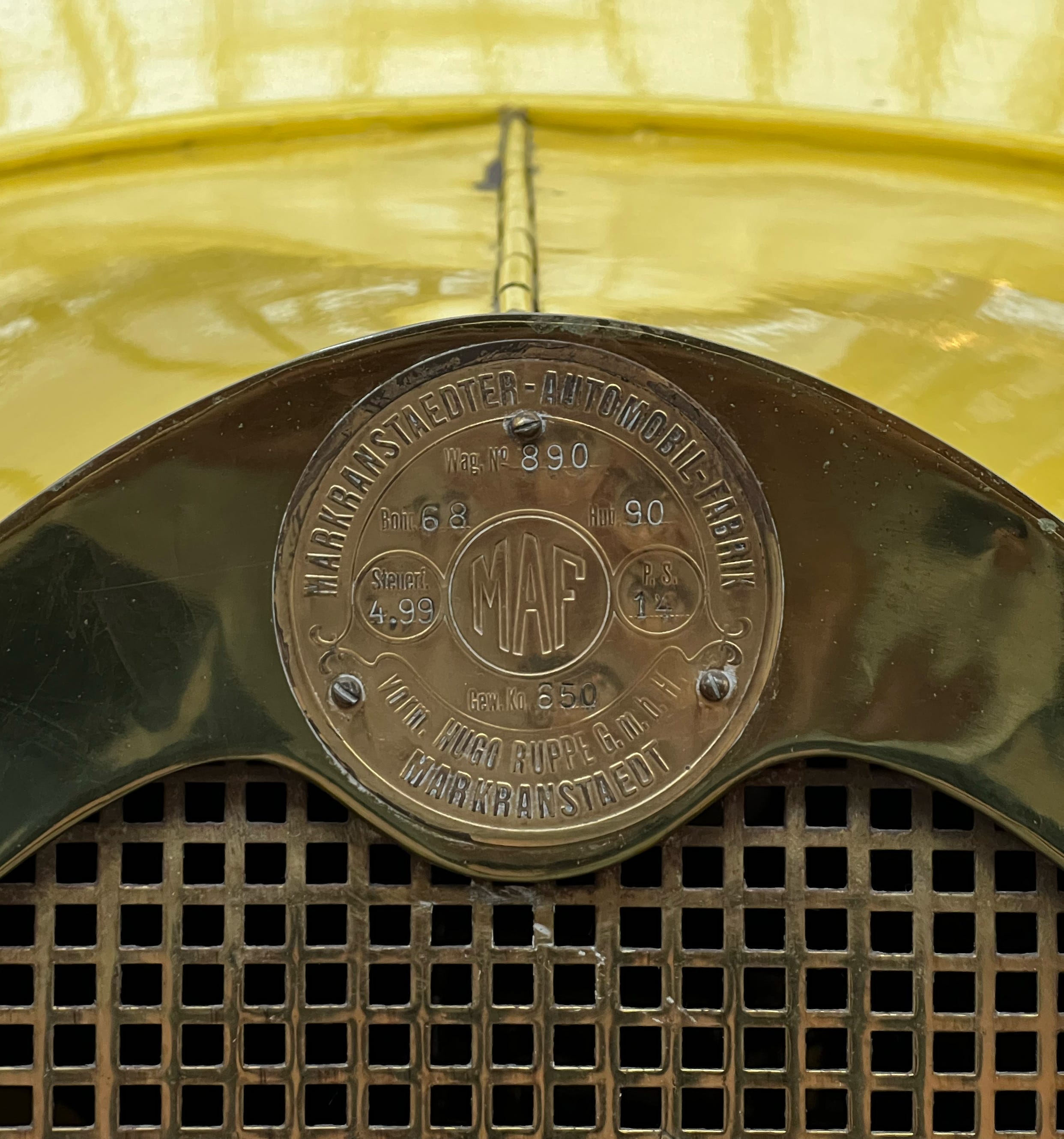
MAF was a small firm from the Leipzig area founded by Hugo Ruppe, whose father had built Piccolos.
Long before BMW, Mercedes-Benz, and Auto Union became household names, a small automobile company near Leipzig, Germany quietly helped shape the future of the German automobile industry.
Its story begins with Hugo Ruppe (1879–1949), one of Germany’s most gifted early automotive engineers. Working in his father’s company, A. Ruppe & Sohn in Apolda, he designed the famous Piccolo, one of Germany’s earliest successful lightweight automobiles. Introduced in 1904, the inexpensive, air-cooled Piccolo proved that practical motoring could reach a much wider audience than luxury automobiles.
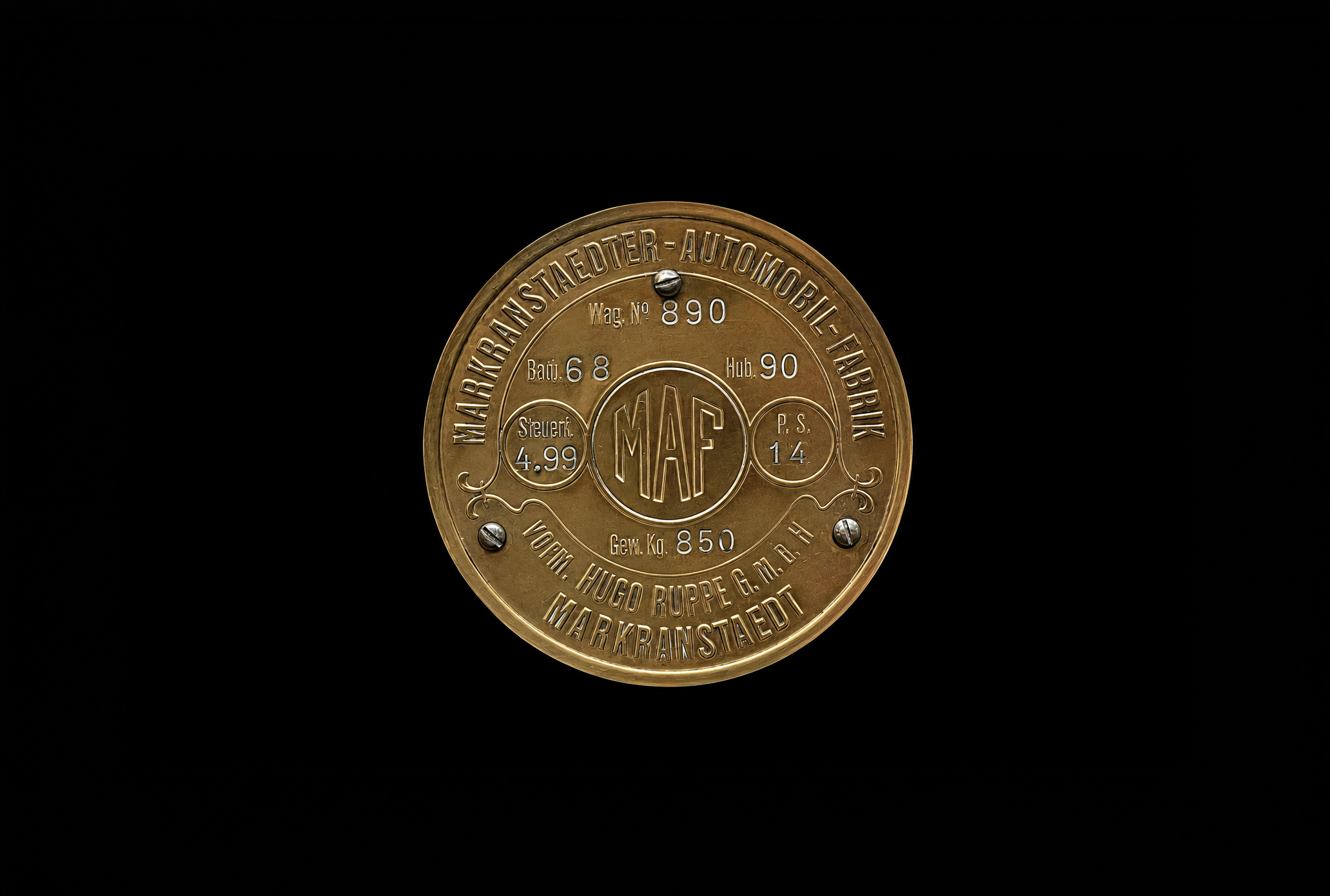
But Hugo Ruppe was an independent thinker. Following disagreements with his brothers over the company’s future, he left the family business in 1907 and founded the Markranstädter Automobilfabrik (MAF) in nearby Markranstädt, west of Leipzig. Unlike many automobile manufacturers of the period that evolved from bicycle or machinery companies, MAF was built from the ground up solely to manufacture automobiles—a rarity in Germany at the time.
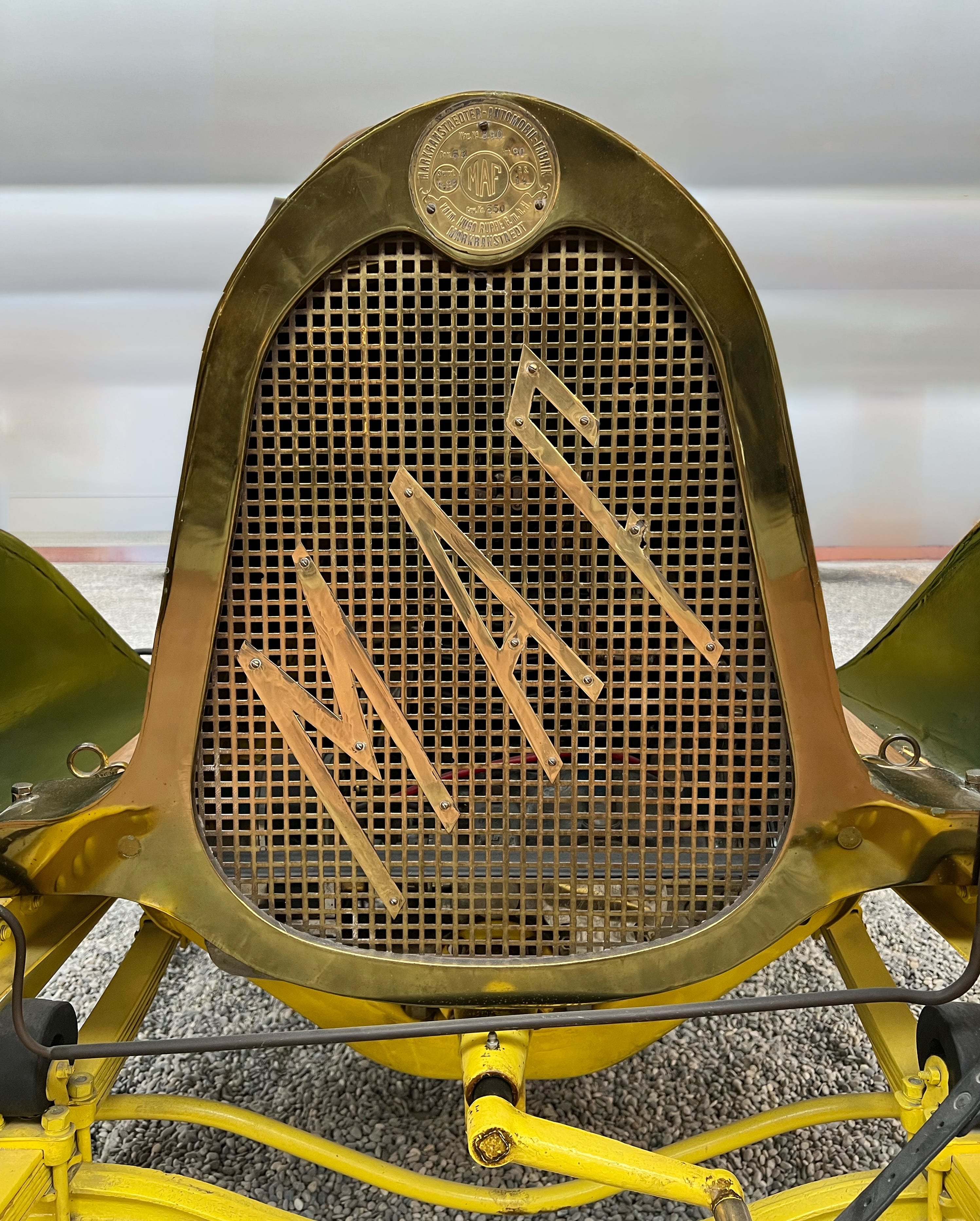
Ruppe carried over many of the ideas that had made the Piccolo successful. MAF automobiles featured robust air-cooled four-cylinder engines, simple construction, shaft drive, and exceptional reliability. Rather than chasing luxury buyers, MAF concentrated on producing dependable cars that ordinary professionals and businesses could afford.
The cars quickly earned an impressive reputation. They performed well in endurance competitions and reliability trials across Europe, proving that air-cooled engines could compete with the more common water-cooled designs. Within only a few years, MAF had sold more than one hundred automobiles in Germany, England, and even the United States, an impressive achievement for such a young manufacturer.
Unfortunately, engineering talent did not guarantee business success. Production interruptions, labor disputes, and financial difficulties forced MAF into bankruptcy in 1911. Investors rescued the company, allowing Ruppe to remain as technical director, but the outbreak of the First World War halted production just as the company was gaining momentum.
After the war, MAF resumed production and even introduced larger six-cylinder models, but the postwar German economy proved unforgiving. In 1921 the company was absorbed by the Apollo-Werke, bringing the MAF name to an end after little more than a decade of automobile production.
Yet Hugo Ruppe’s influence extended far beyond MAF. After leaving Markranstädt, he joined Danish-born entrepreneur Jørgen Skafte Rasmussen in Zschopau, where he helped develop the small two-stroke engines that became the foundation of DKW—one of Germany’s largest motorcycle and automobile manufacturers and, later, one of the four companies that formed Auto Union, the predecessor of Audi.
Today, only a handful of MAF automobiles survive. They are rare reminders of a company that existed for only a short time but helped advance affordable motoring in Germany. Though often overlooked, MAF represents the spirit of the pioneering automotive age—an era when a brilliant engineer with a bold idea could build an entirely new automobile company and leave a lasting mark on history.
(sources: Oldtimerverein, Motorostalgie, Axel Oskar Mathieu, Wikipedia)