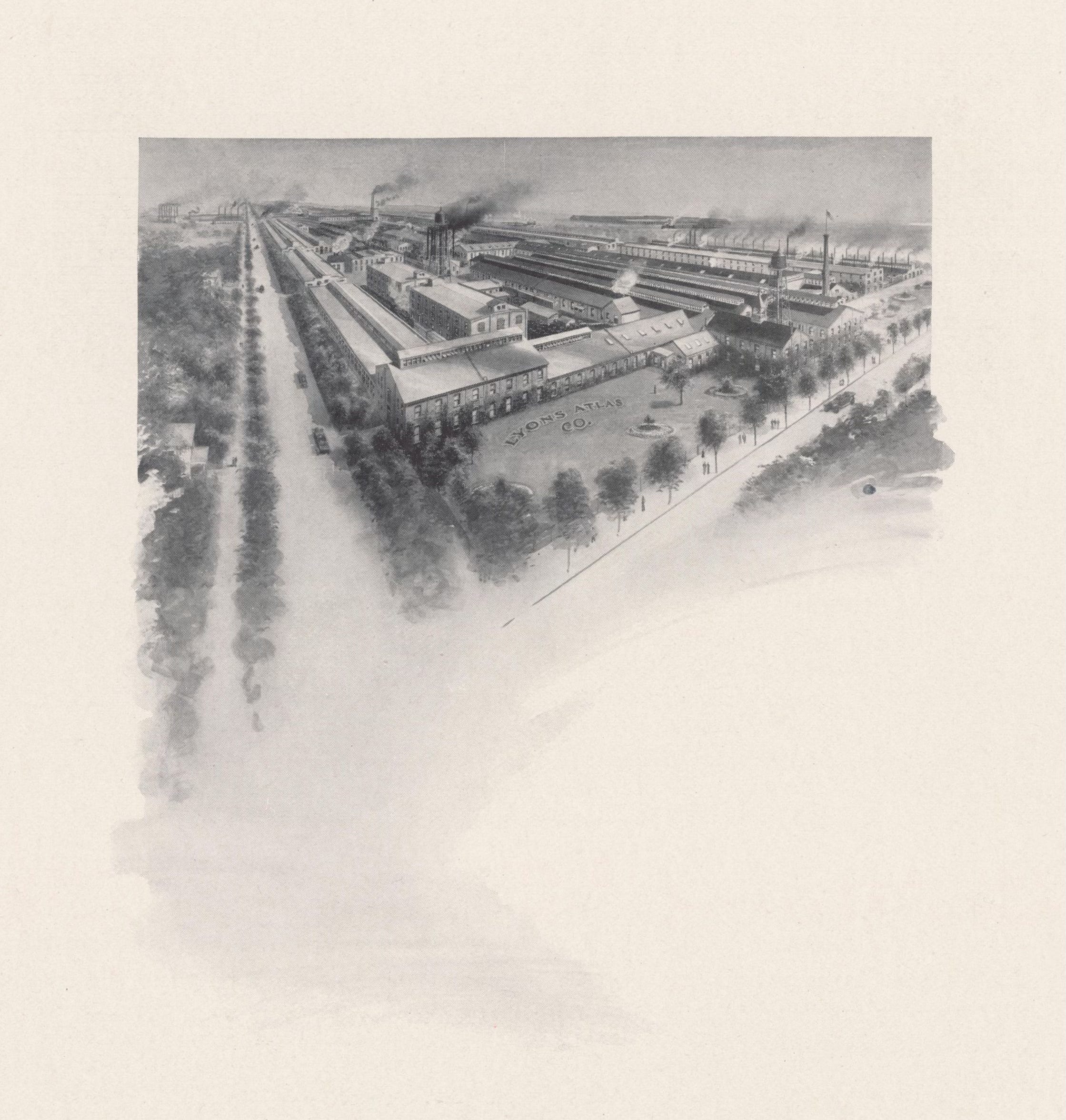
Lyons-Knight was an American automobile marque active in the early 20th century, best known for its use of the Knight sleeve-valve engine.
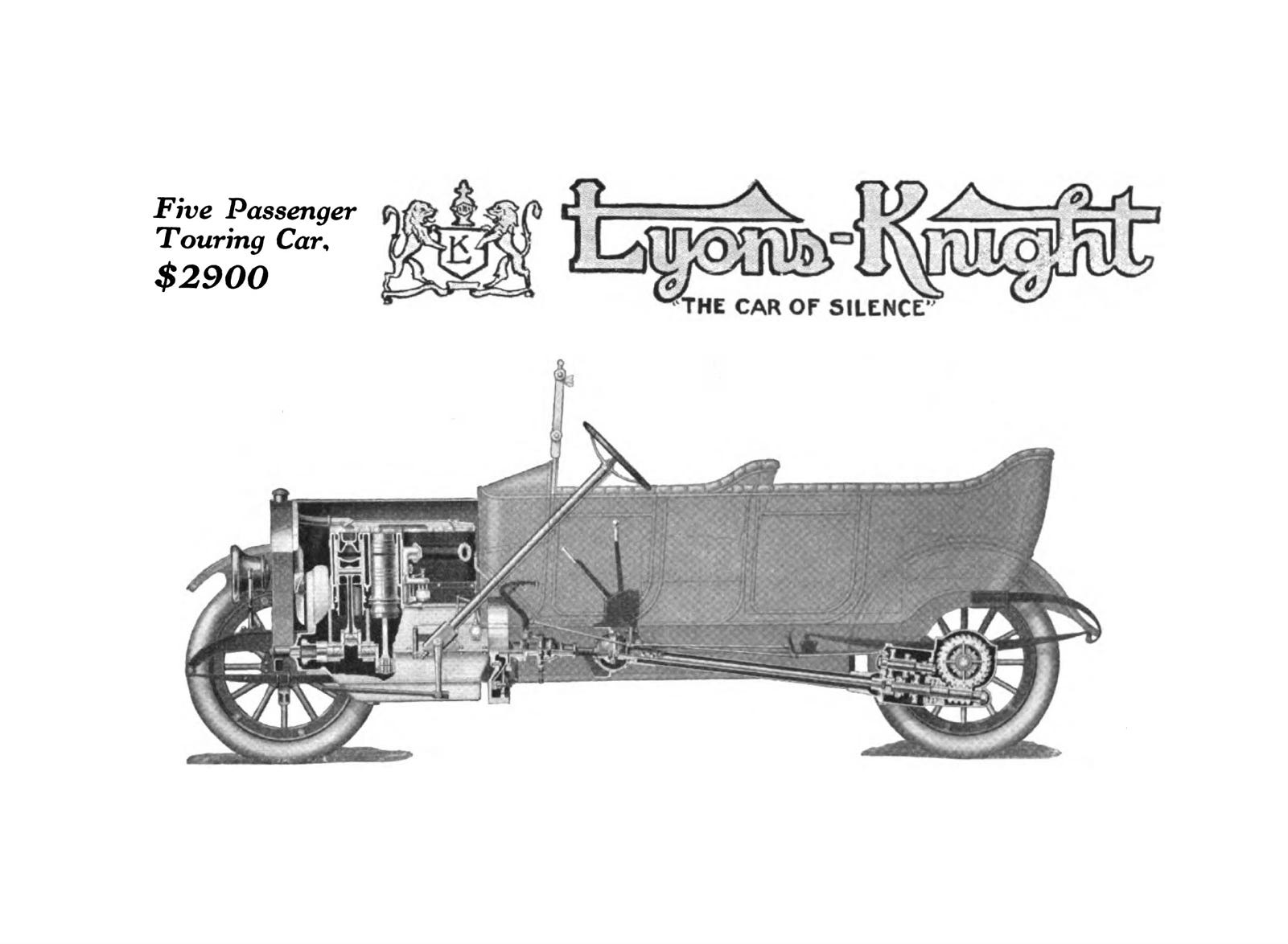
This technology promised quieter, smoother operation than conventional poppet-valve engines.
The company was founded as the Lyons Motor Car Company in Indianapolis, Indiana, around 1908–1909. Founder W. H. Lyons secured rights to manufacture engines under the Charles Yale Knight sleeve-valve patents and to emphasize this advanced technology, the cars were branded Lyons-Knight.
Sleeve-valve engines used sliding sleeves instead of spring-loaded valves. Extremely quiet operation, smooth power delivery and reduced valve noise and vibration were some of the advantages promoted at the time.
While this technology was also used by prestigious marques such as Daimler (UK), Minerva and Panhard, Lyons-Knight positioned itself as a refined, near-luxury American alternative using European-style engineering ideals.
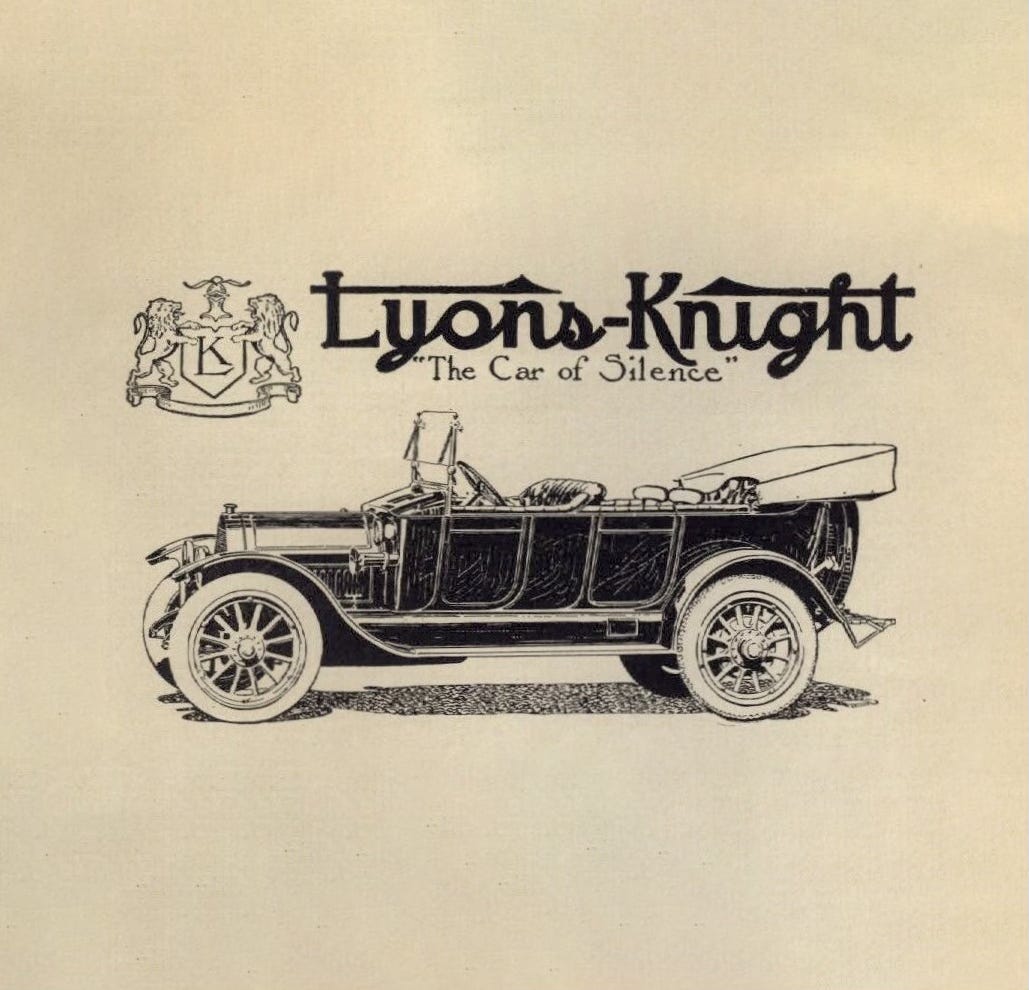
Despite technical merit, the company struggled financially. High manufacturing costs, complexity and maintenance demands of sleeve-valve engines and rapid advances in conventional valve technology resulted in Lyons-Knight ceasing automobile production by around 1911–1912.
Many dealer-placed “Lyons-Knight” ads continued after 1912. These were not factory ads, selling remaining stock and promoting servicing, prestige, or Knight-engine affiliation.
The marque represents a moment when engineering elegance and quietness were seen as the future of motoring—before simplicity and scalability won out.
After core production slowed or stopped, inventory remained and unsold new cars, engines, or rolling chassis could remain in dealer stock for years.