


French Engineering on Road and in the Air (1896–1935)
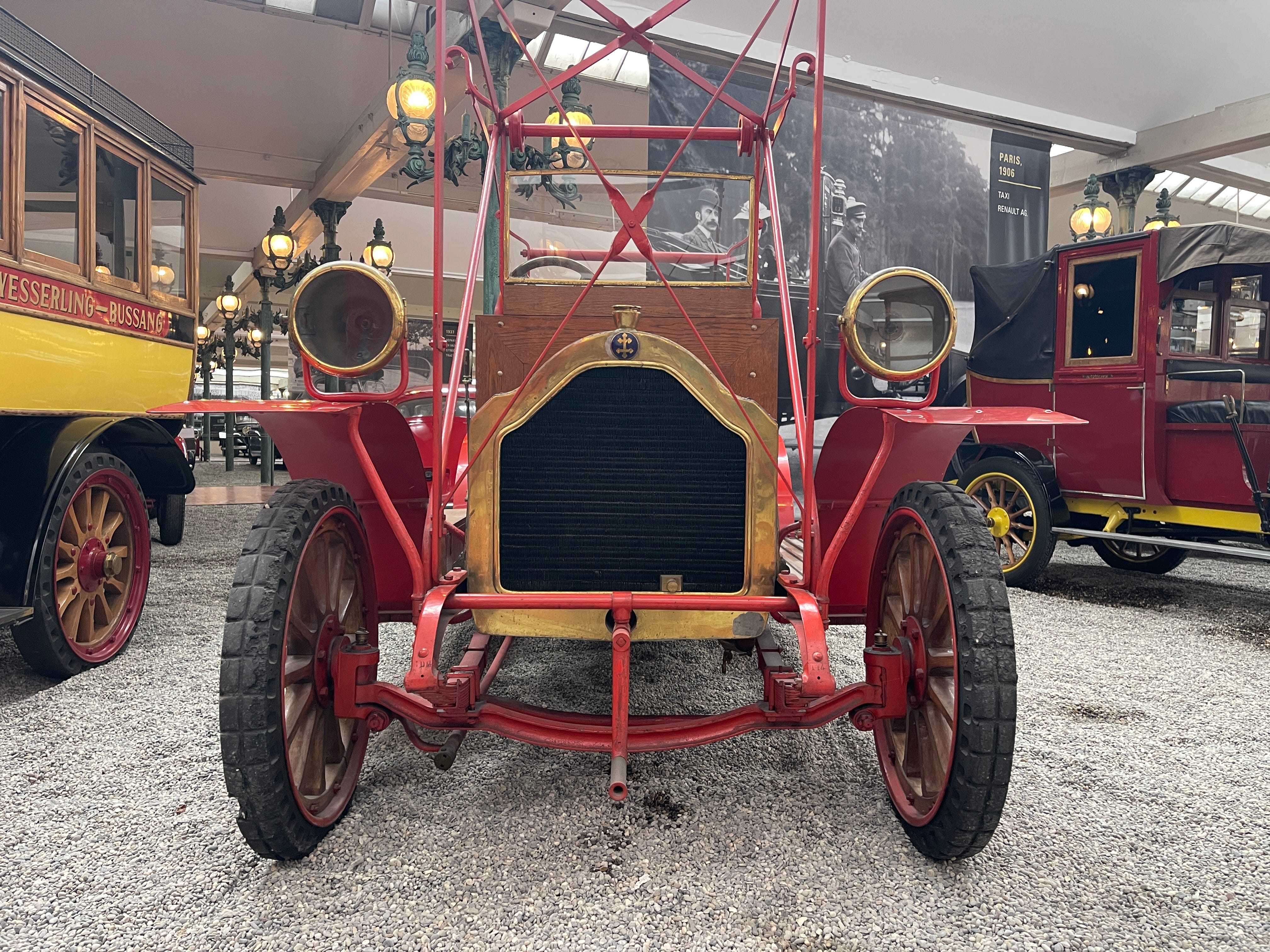
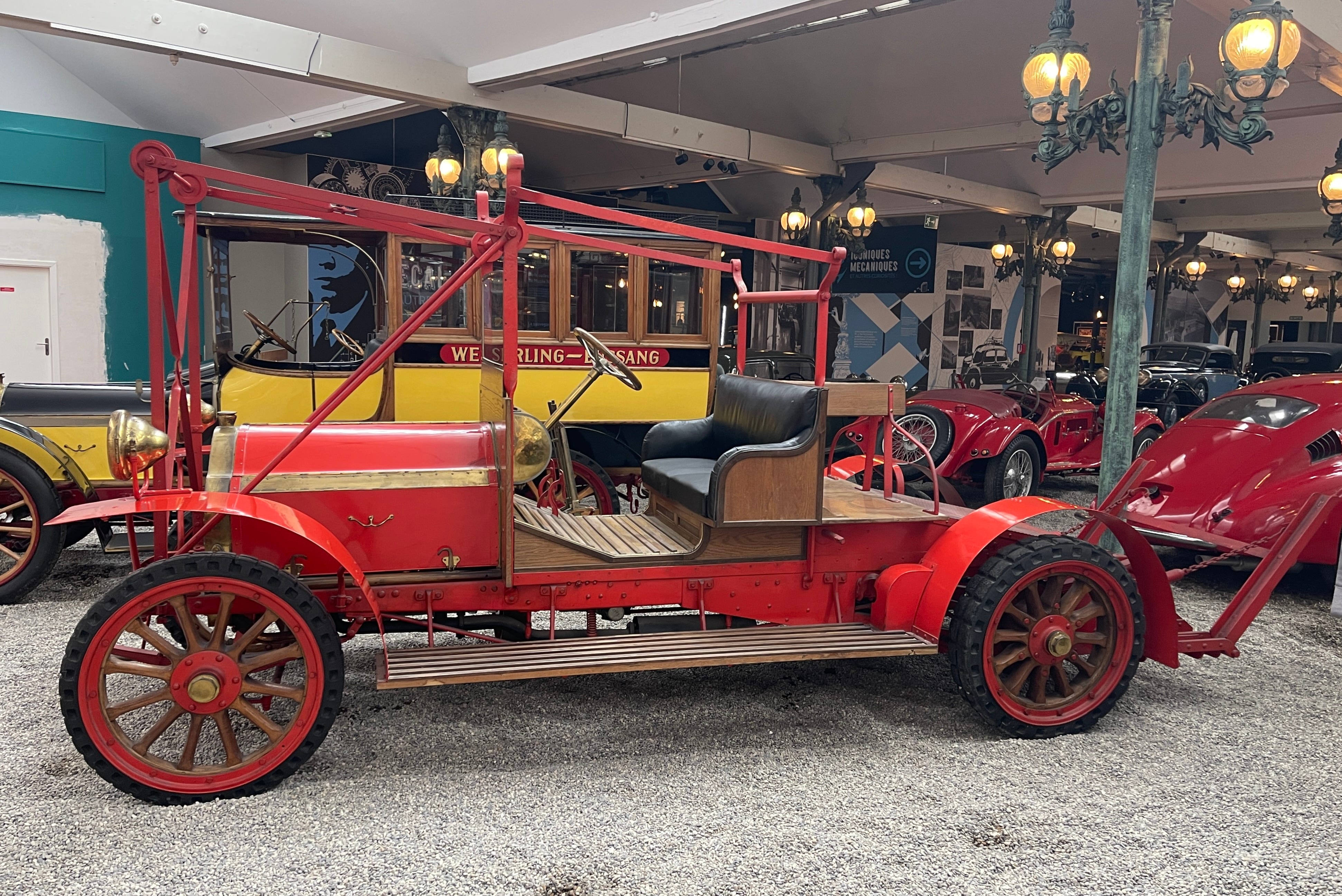
Lorraine-Dietrich was a prestigious French automobile and aircraft engine manufacturer whose origins trace back to the De Dietrich industrial company, a producer of railway equipment and machinery.
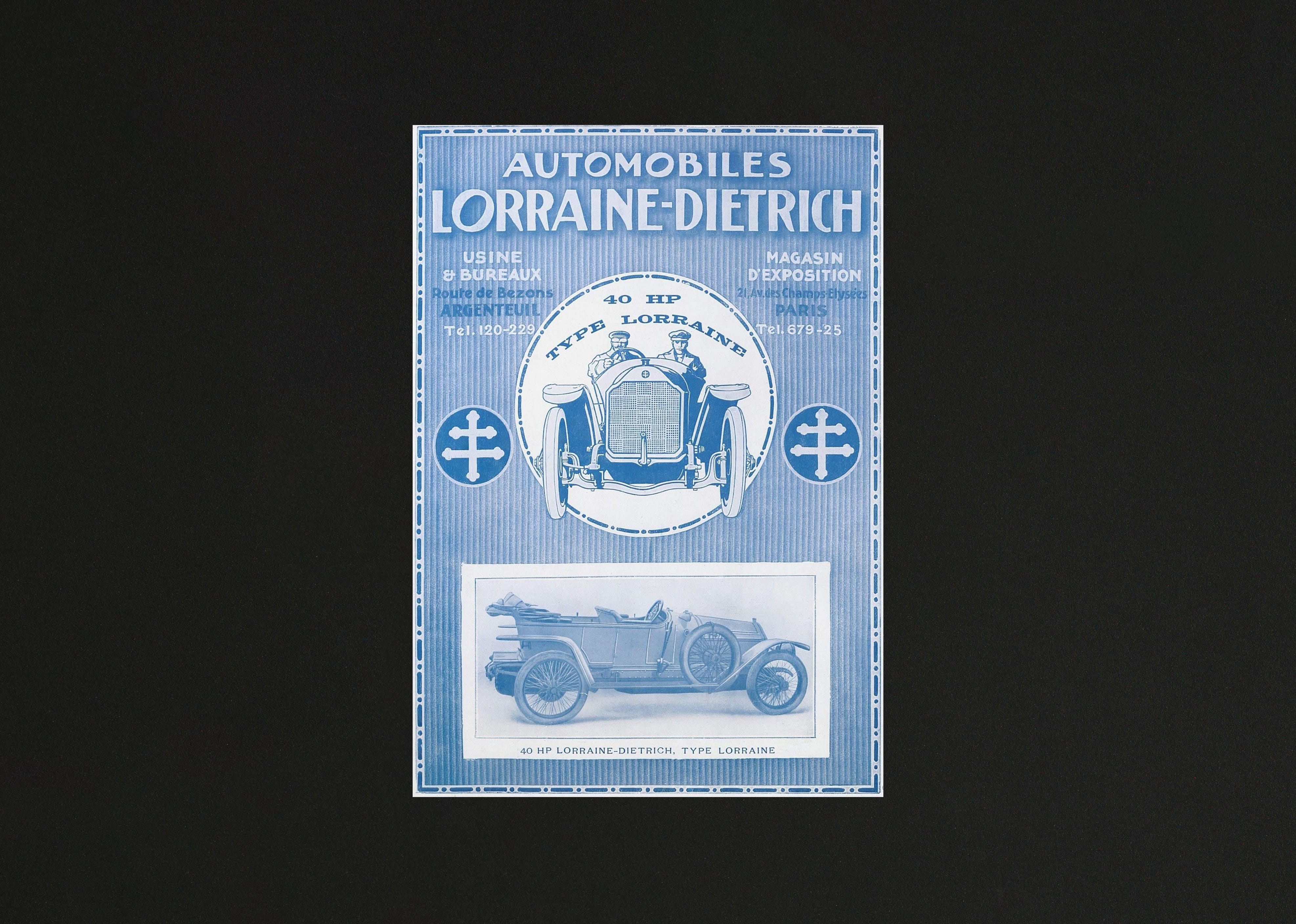
Automobile production began in the 1890s, and the Lorraine-Dietrich name was adopted in 1905. The company even employed a young Ettore Bugatti as an automobile designer in the early 1900s.
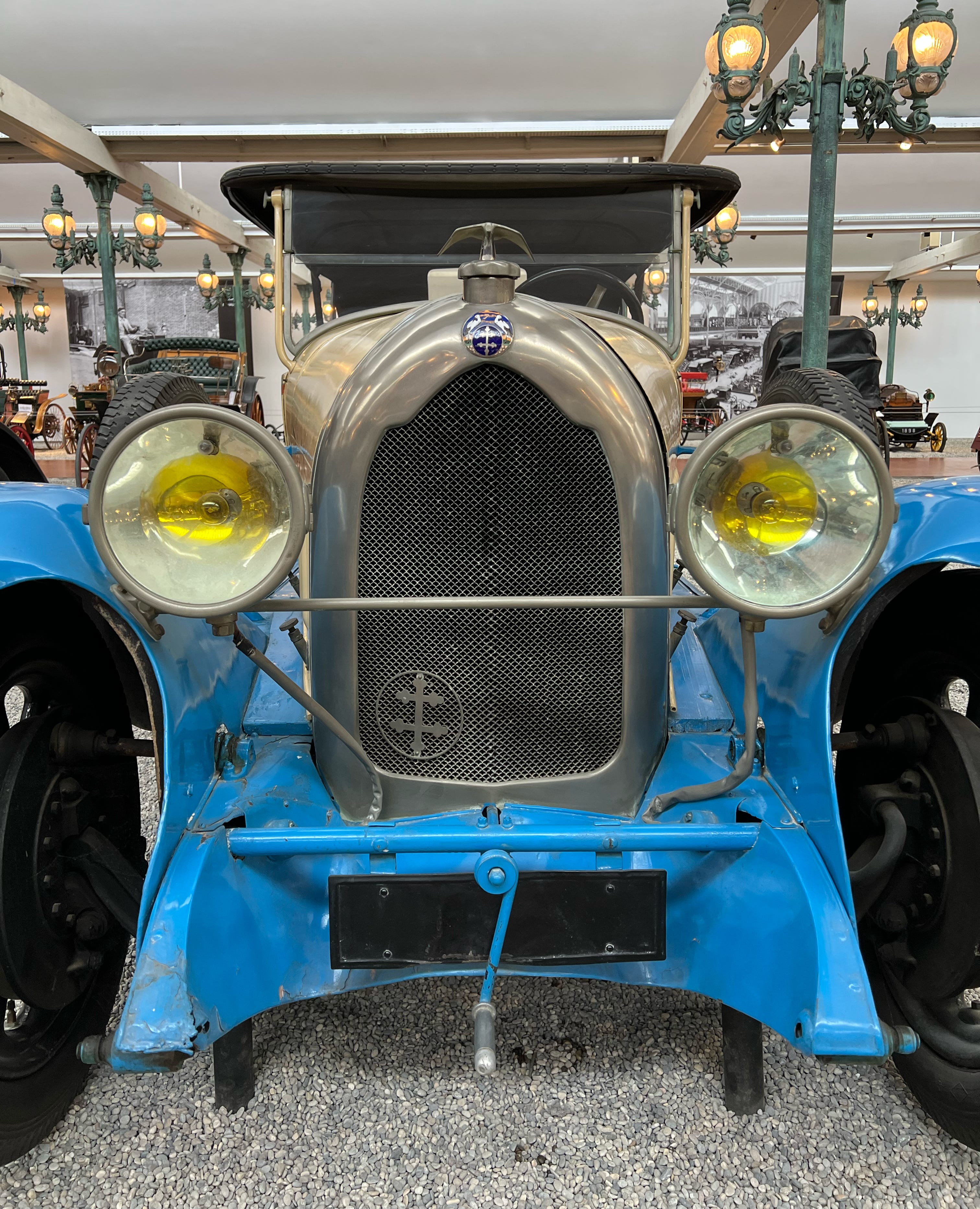
Known for its luxurious touring cars and advanced engineering, Lorraine-Dietrich achieved international recognition through motorsport. Its legendary B3-6, powered by a 3.5-liter six-cylinder engine, won the 24 Hours of Le Mans in both 1925 and 1926, becoming the first manufacturer to secure consecutive victories.
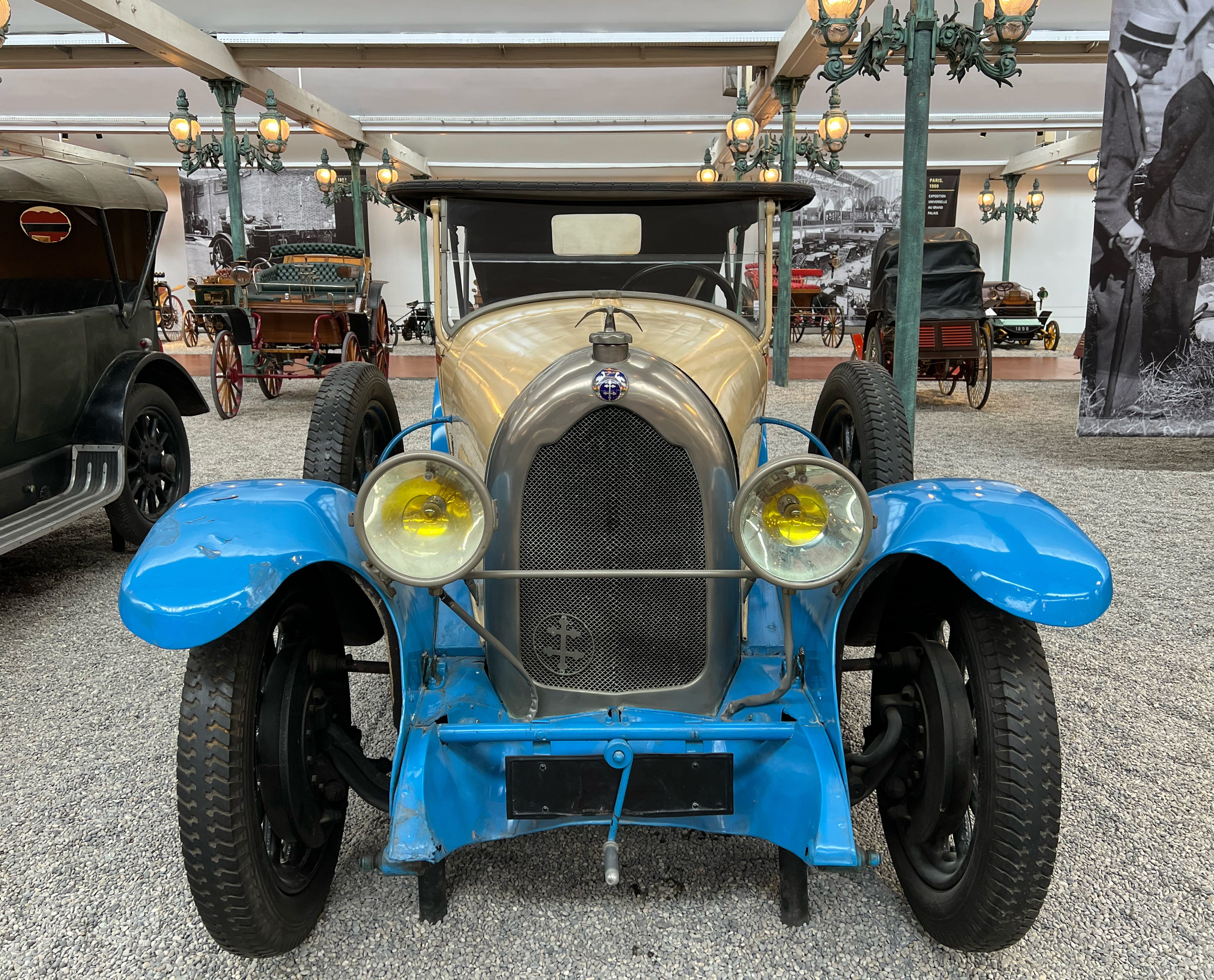
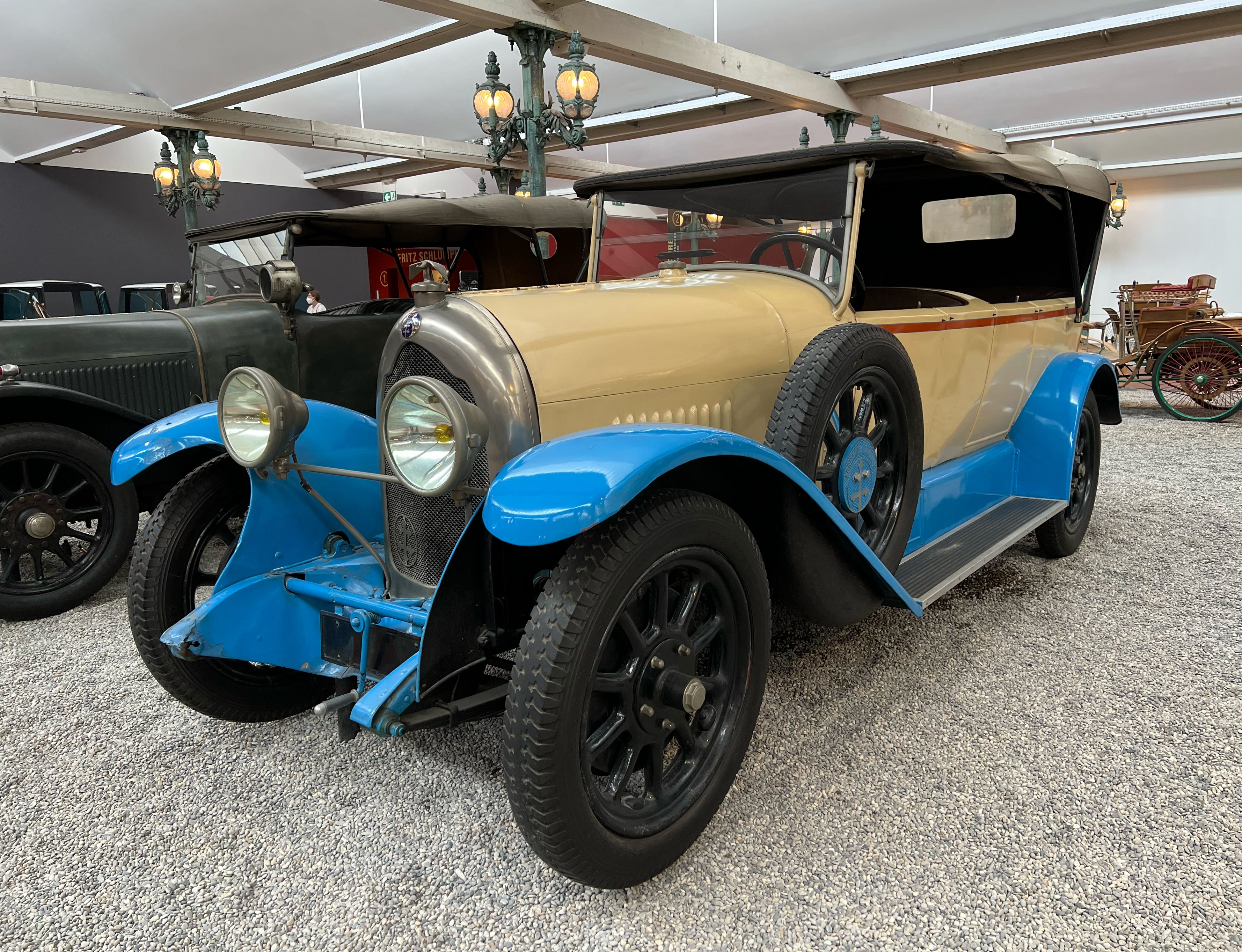
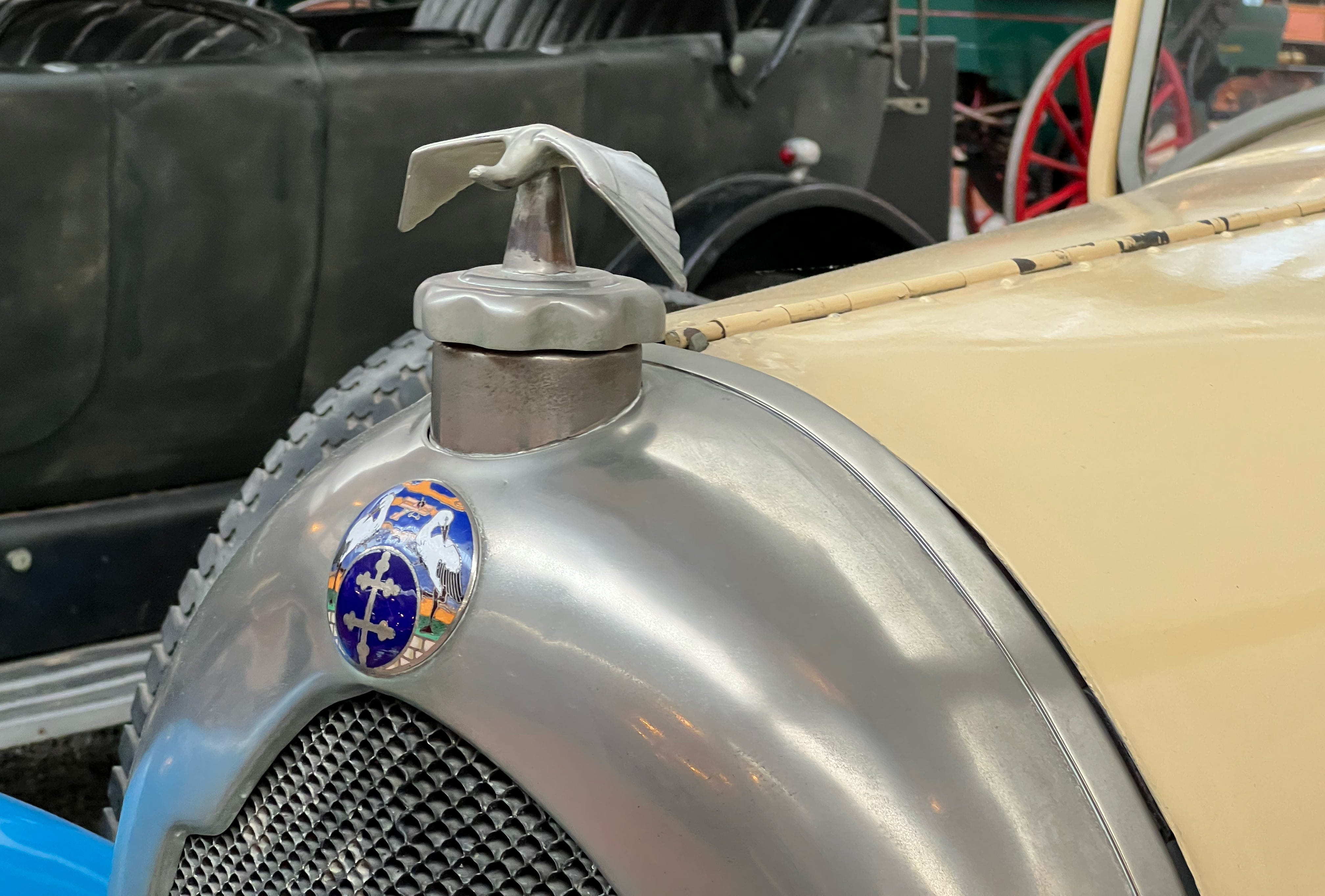
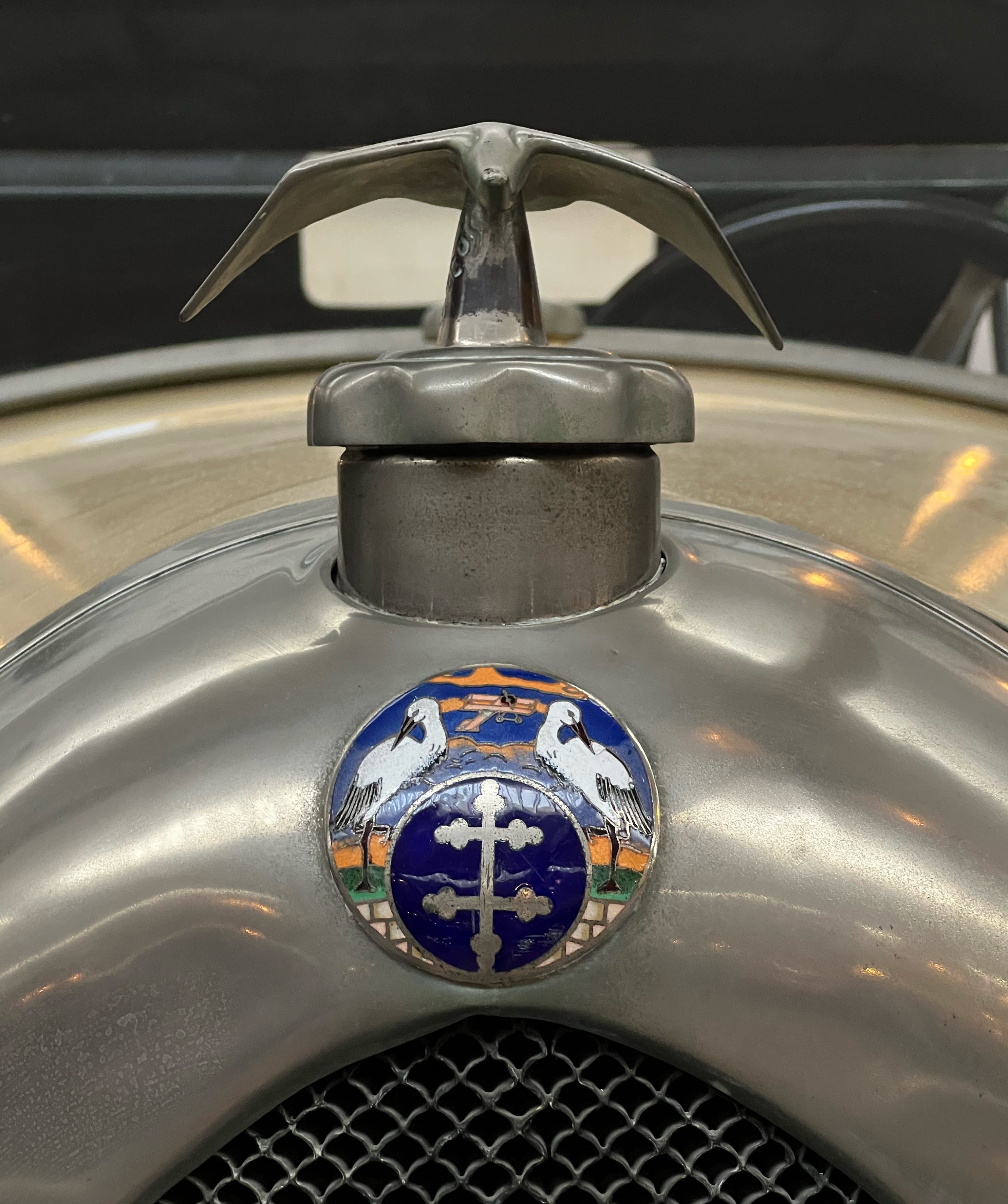
Beyond automobiles, the company produced powerful aircraft engines, including the renowned 12-cylinder Lorraine 12Eb, widely used in military and pioneering long-distance aviation.
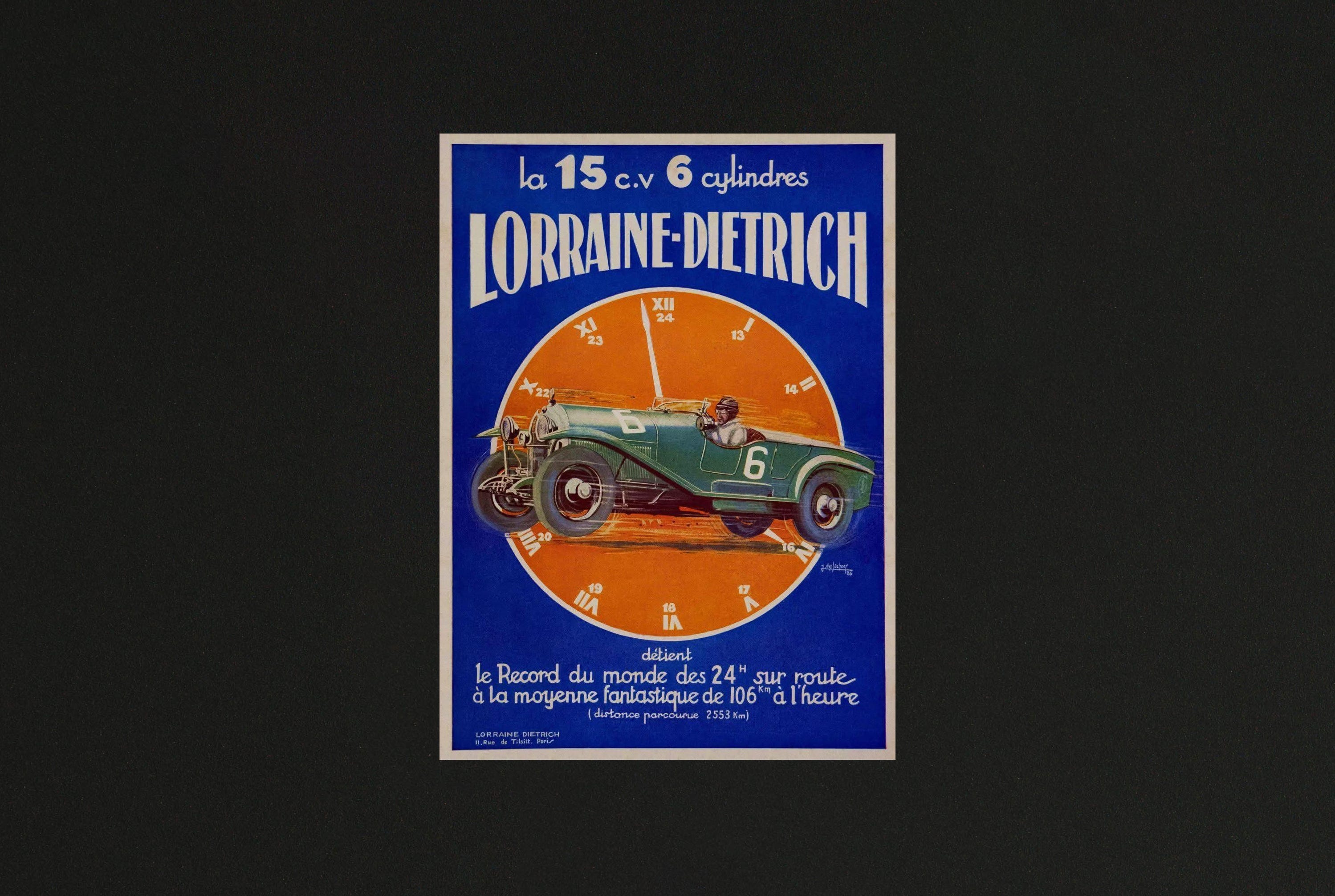
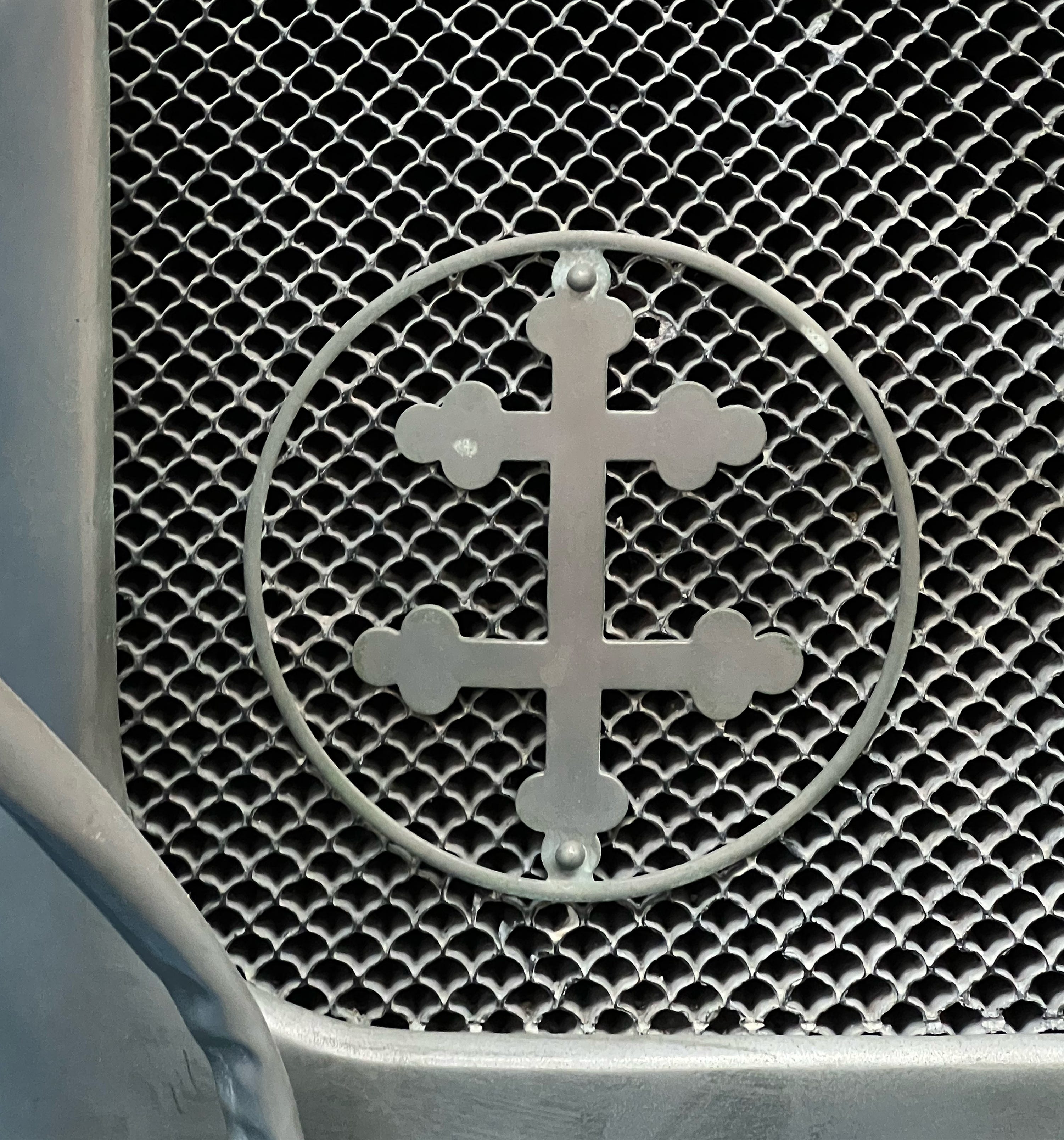
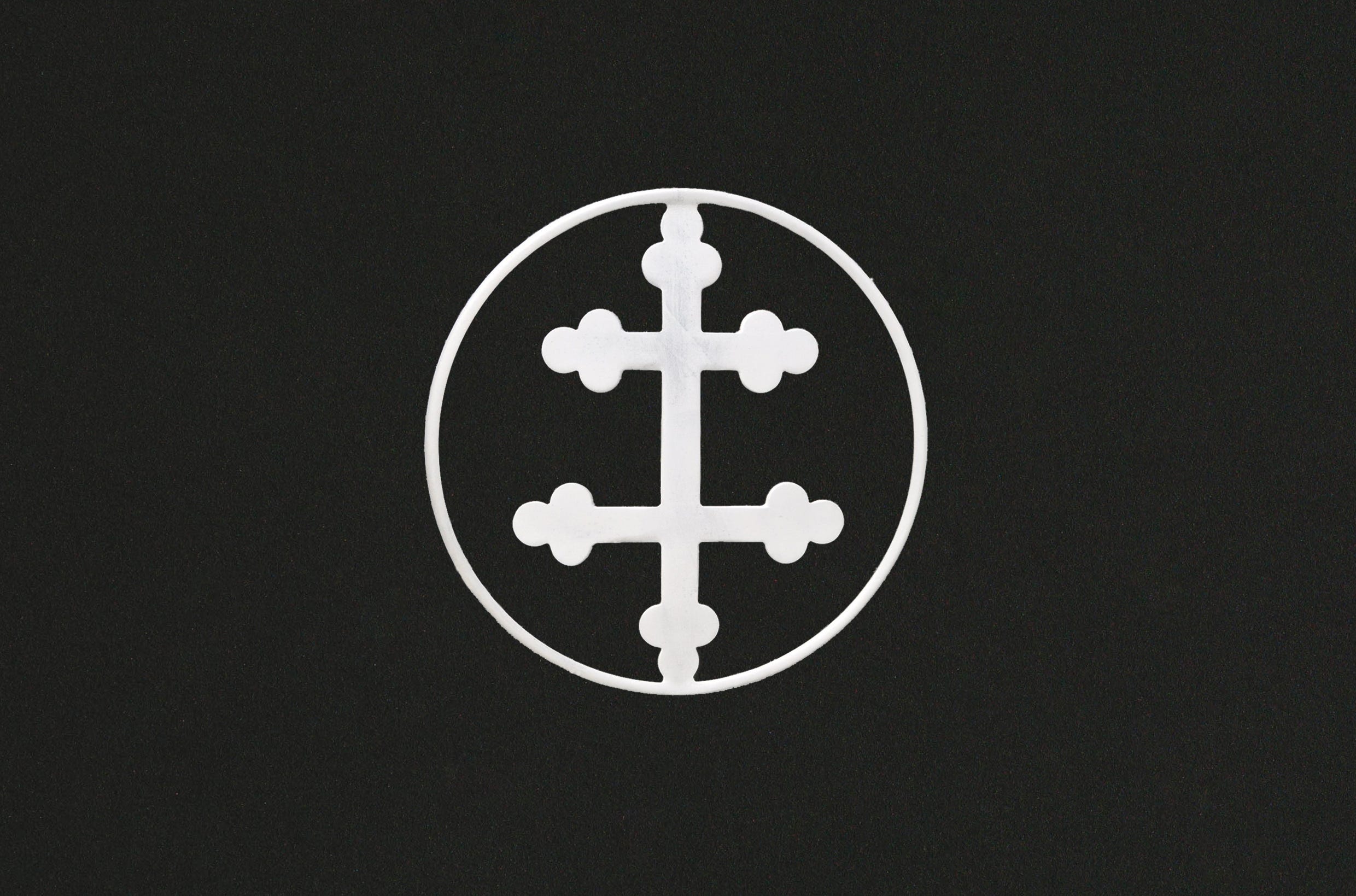
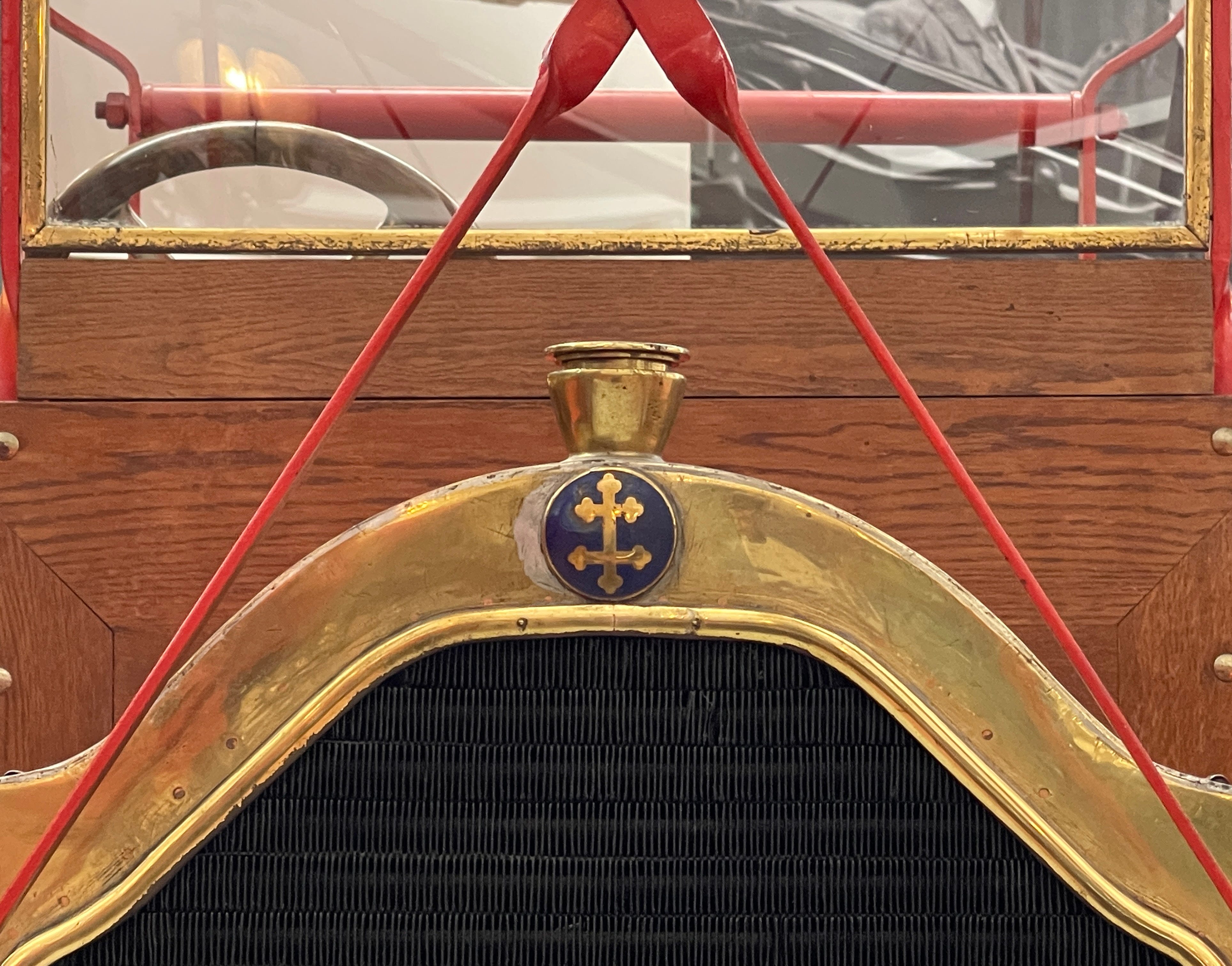
The company’s distinctive emblem featured the Cross of Lorraine, a double-barred cross symbolizing its French regional heritage.
Financial difficulties and declining automobile sales brought car production to an end by 1935, leaving behind a remarkable legacy in French automotive and aviation history.
(sources: Safran, Franschhoek Motor Museum, Polish Aviation Museum, Wikipedia)