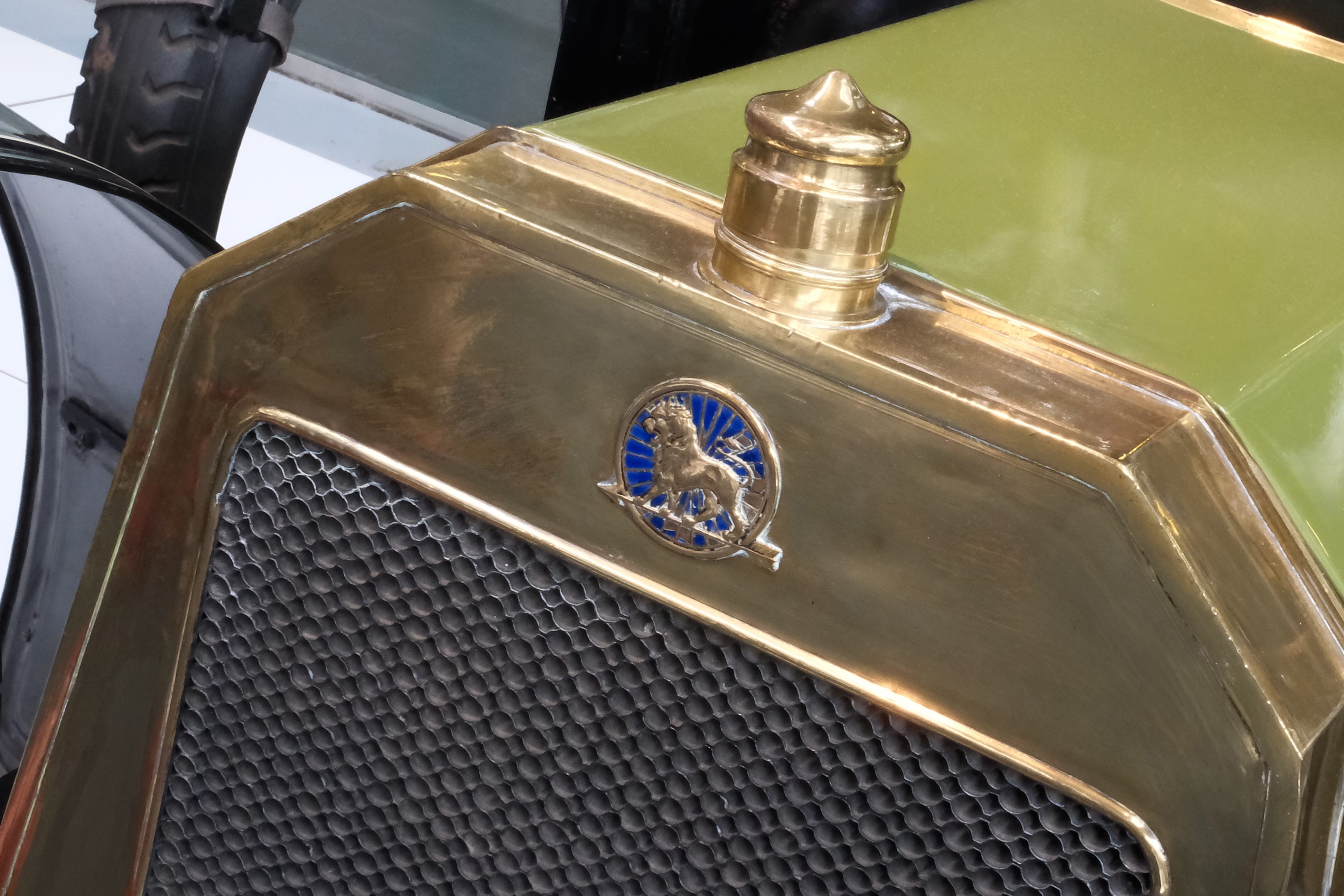
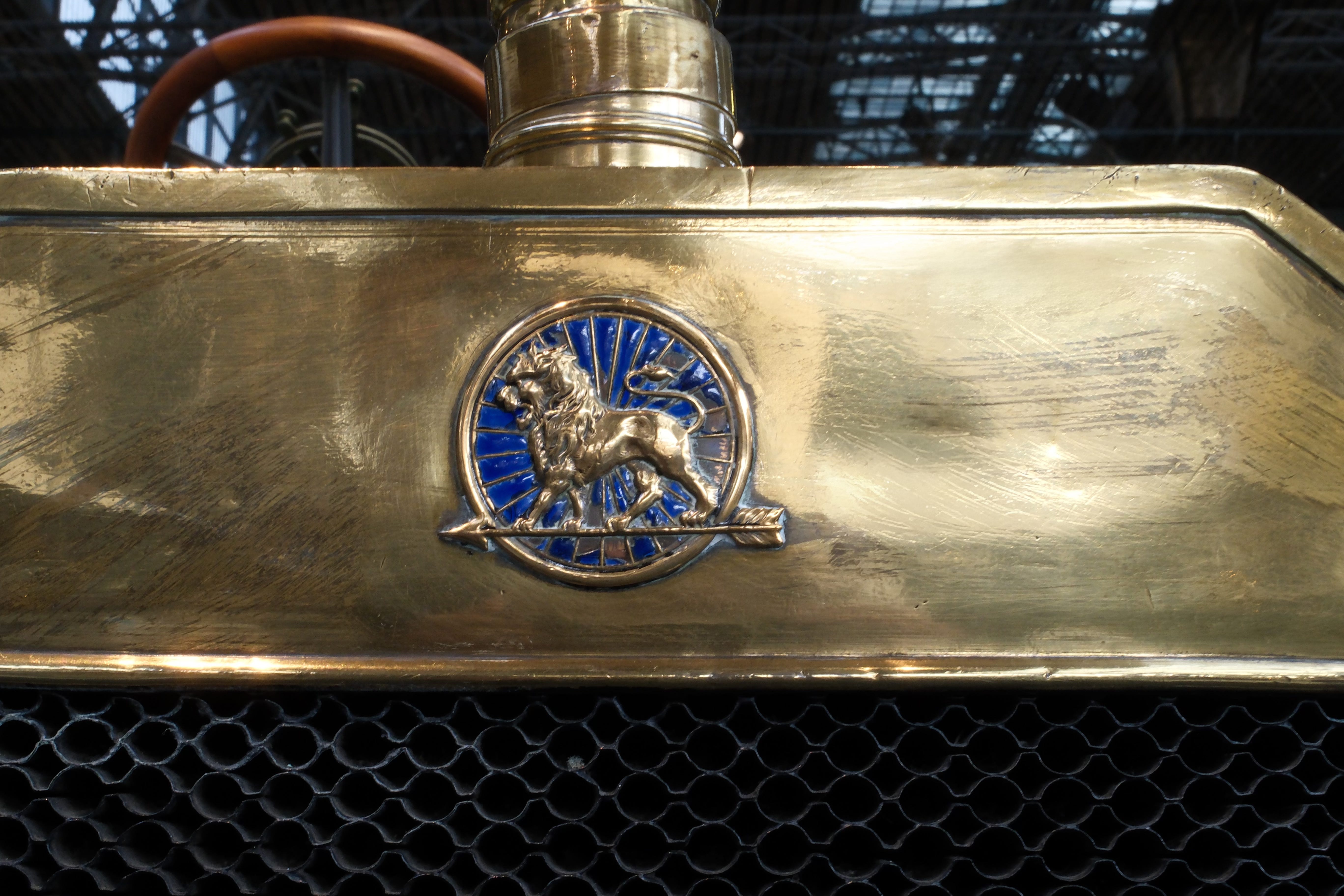
The origins of Lion-Peugeot go back to a family disagreement in the late 19th century that created two Peugeot car brands.
The Peugeot family had long produced tools, saw blades, and bicycles, but when Armand Peugeot became convinced that automobiles were the future, not everyone agreed.
Armand Peugeot left the family industrial group in 1896 to found Automobiles Peugeot at Audincourt. The remaining Peugeot family members, led by his cousins Eugène and Jules Peugeot, continued operating the main company but initially avoided entering automobile production.
To settle rights, the two sides made an agreement in 1905.
The “main” Peugeot company was allowed to produce automobiles only under the name “Lion-Peugeot,” while Armand kept exclusive rights to the name “Peugeot” for automobiles.
For each Lion-Peugeot car they sold, they paid Armand a royalty (a fee per car) because he still legally held the Peugeot automobile rights.
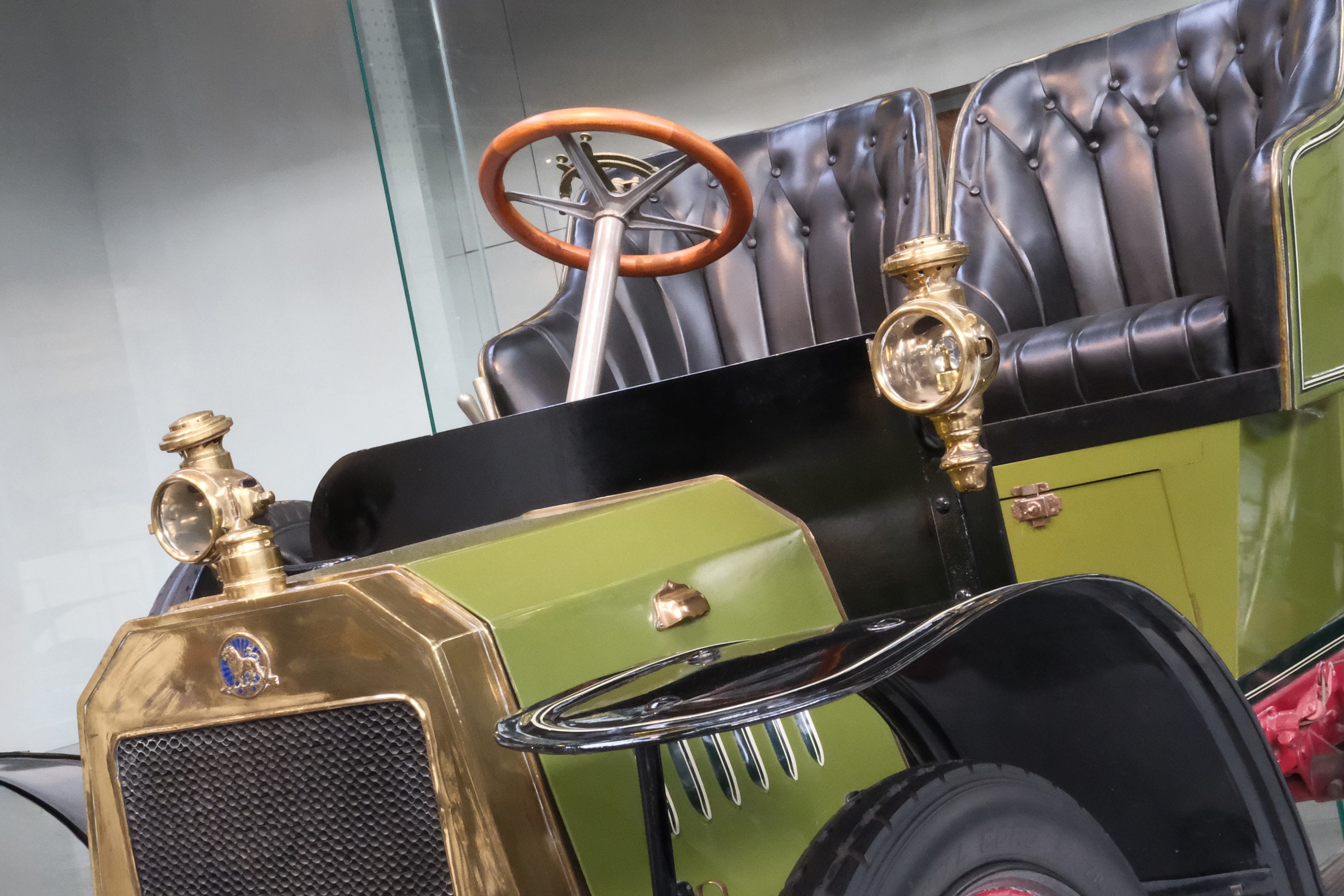
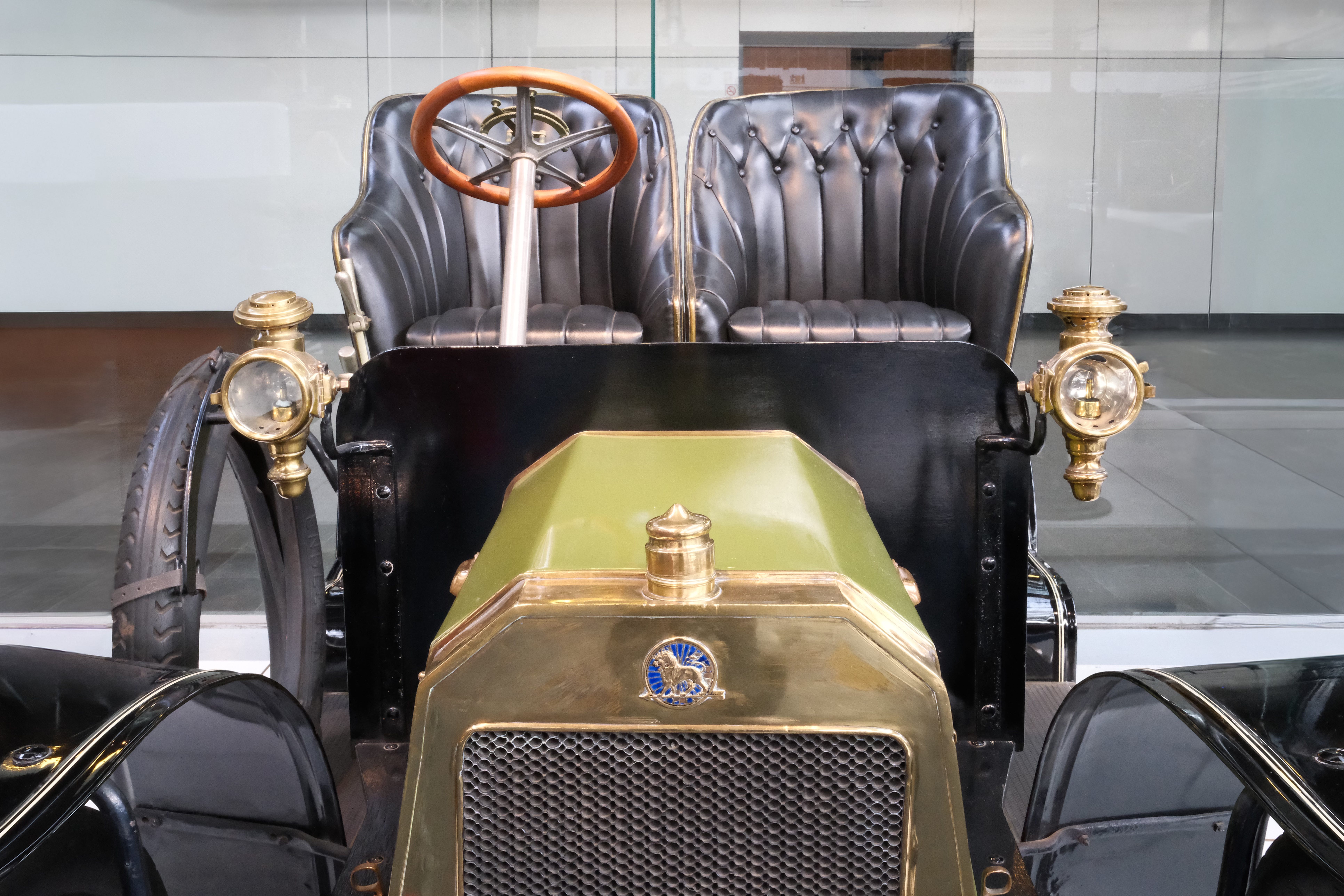
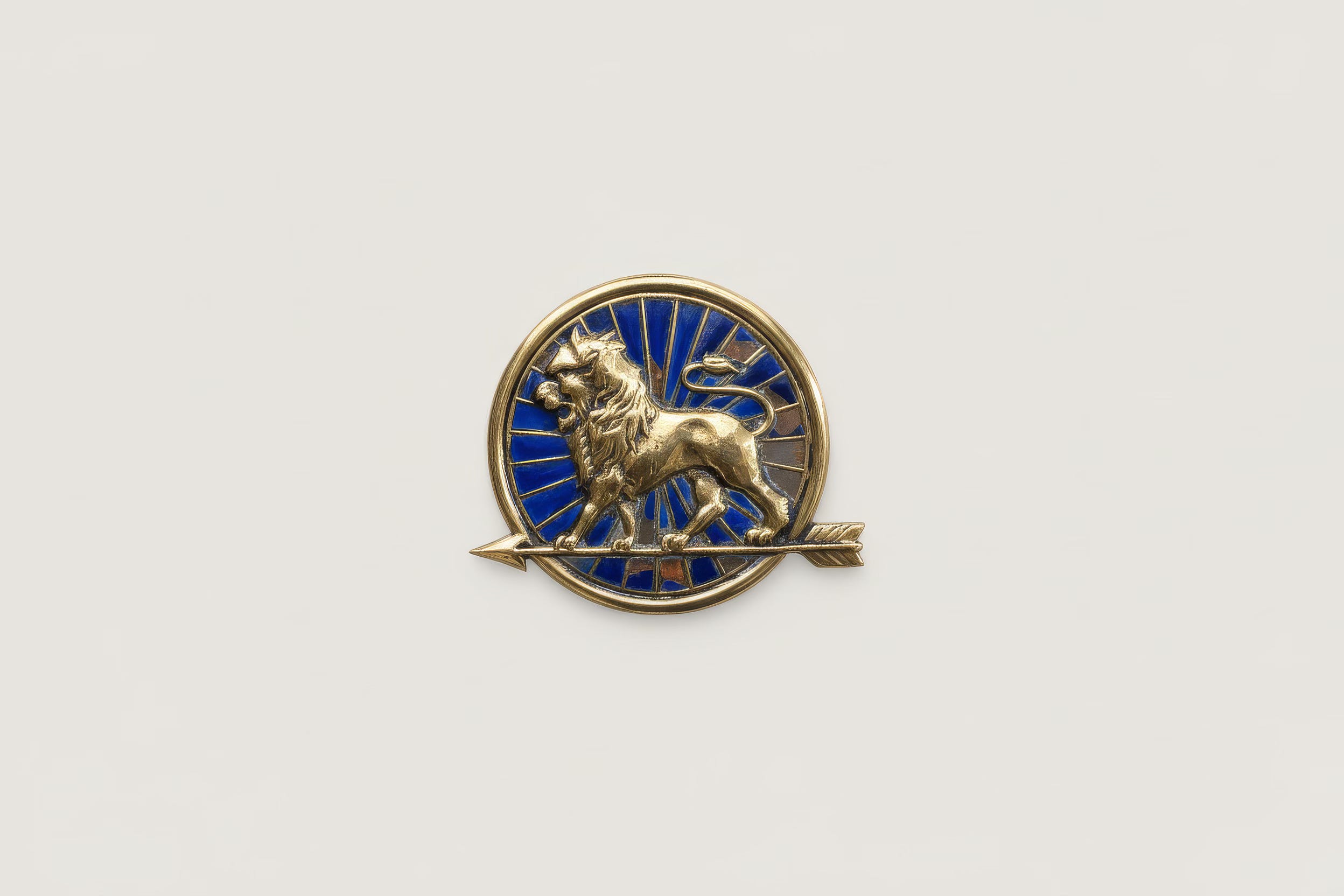
This is why Lion-Peugeot existed as a separate brand. The emblem below—a roaring lion walking on an arrow with a blue enamel sunburst behind it—is one of the earliest Peugeot-family symbols used on automobiles.
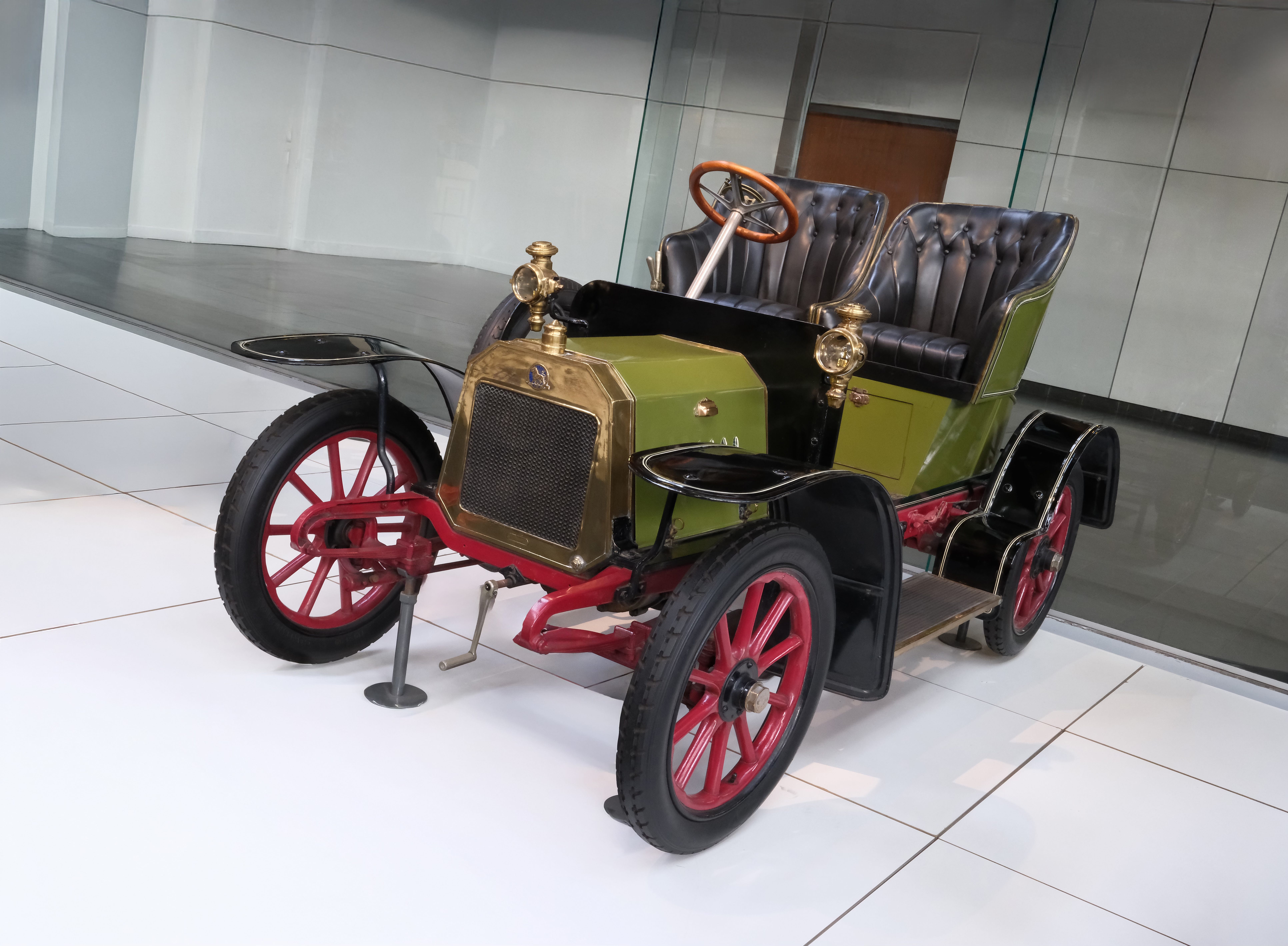
Under the Lion-Peugeot name, the family began producing small, lightweight, affordable cars from 1905 to 1915, often with single- or two-cylinder engines. Many Lion-Peugeot cars were successful in cyclecar racing, making the brand known for sporty little machines despite their modest size.
Lion-Peugeot cars were aimed at the popular market, while Automobiles Peugeot built more sophisticated and luxurious vehicles.
Lion-Peugeot used a distinct interpretation of the lion so it could differentiate its cars visually from Armand’s Automobiles Peugeot.
Reunification of the Peugeot Brand (1910–1916)
1910: Merger
After years of two separate Peugeot car companies operating in parallel, the family decided to reunite. In 1910, Automobiles Peugeot (Armand) and the Lion-Peugeot branch were formally merged into a single company.
However, because of pre-existing contracts and planned model cycles, cars continued to be sold under the Lion-Peugeot name until 1916.
1916: The End of Lion-Peugeot Branding
After this date, all cars were simply branded Peugeot, and the dual-brand era ended. It used its own distinctive lion emblem, and was eventually merged back into Peugeot and why the Lion is their current logo.
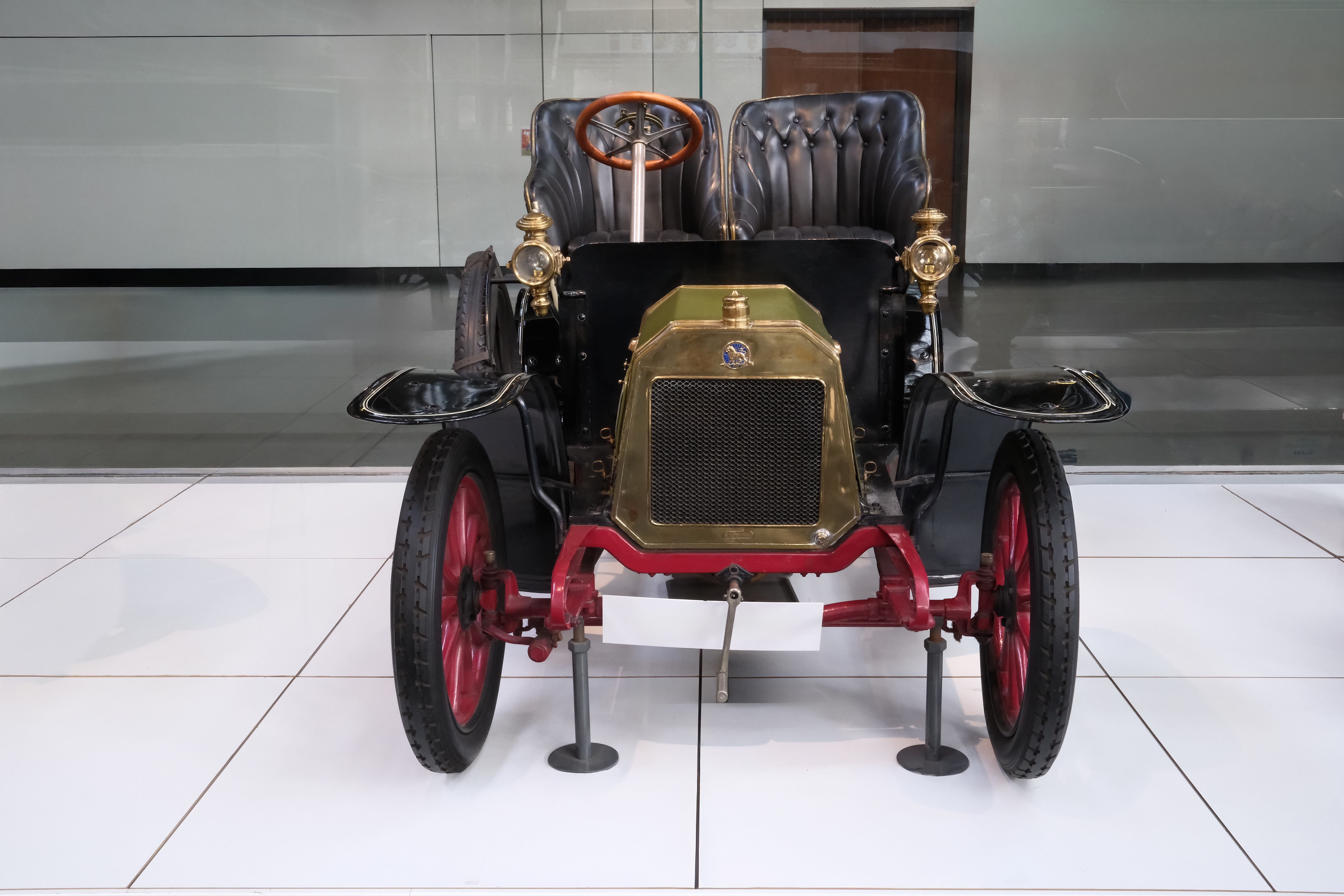
1906 Lion-Peugeot VA
The example below is at Autoworld in Brussels, Belgium.