


Between 1900 and 1950, Impéria wrote one of the finest pages in the history of the Belgian automotive industry.
The brand experienced both commercial and sporting success. Its flattering sales were accompanied by convincing success in different international competitions on road or circuit. Its connection with Minerva, another Belgian make, also enabled it to occupy the prestige cars niche with models that were the benchmark of elegance and distinction.
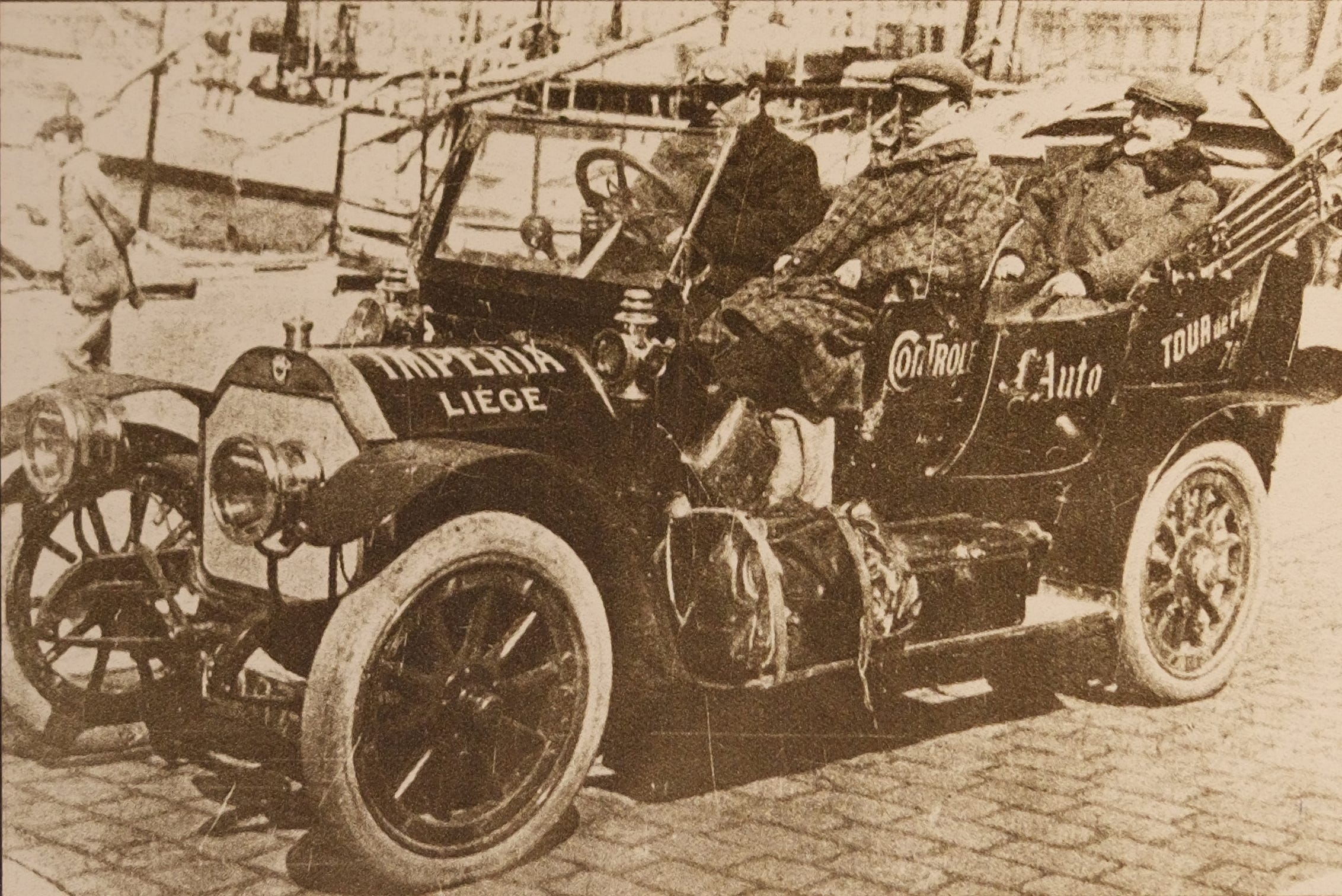
Adrien Piedboeuf came from a family associated with Belgium’s iron and steel industries. After working in the automobile business in Aachen, Germany, he established his own motorcycle manufacturing operation in Liège around 1903–1904.
His ambition was to manufacture automobiles, and with German engineer Paul Henze he developed the first Piedboeuf-Impéria cars, appearing around 1905–1906.
In 1908 the company established production at the former Pieper factory in Nessonvaux, near Liège. This became Impéria’s principal manufacturing location for the remainder of its history.
In 1912, Impéria combined with Springuel, another Belgian automobile manufacturer, strengthening the company's engineering and manufacturing capabilities.
After World War I, businessman Mathieu van Roggen took control of the company and began rebuilding its operations.
Impéria developed an important relationship with Spanish automobile entrepreneur Francisco Abadal, producing sporting automobiles associated with the Impéria-Abadal name.
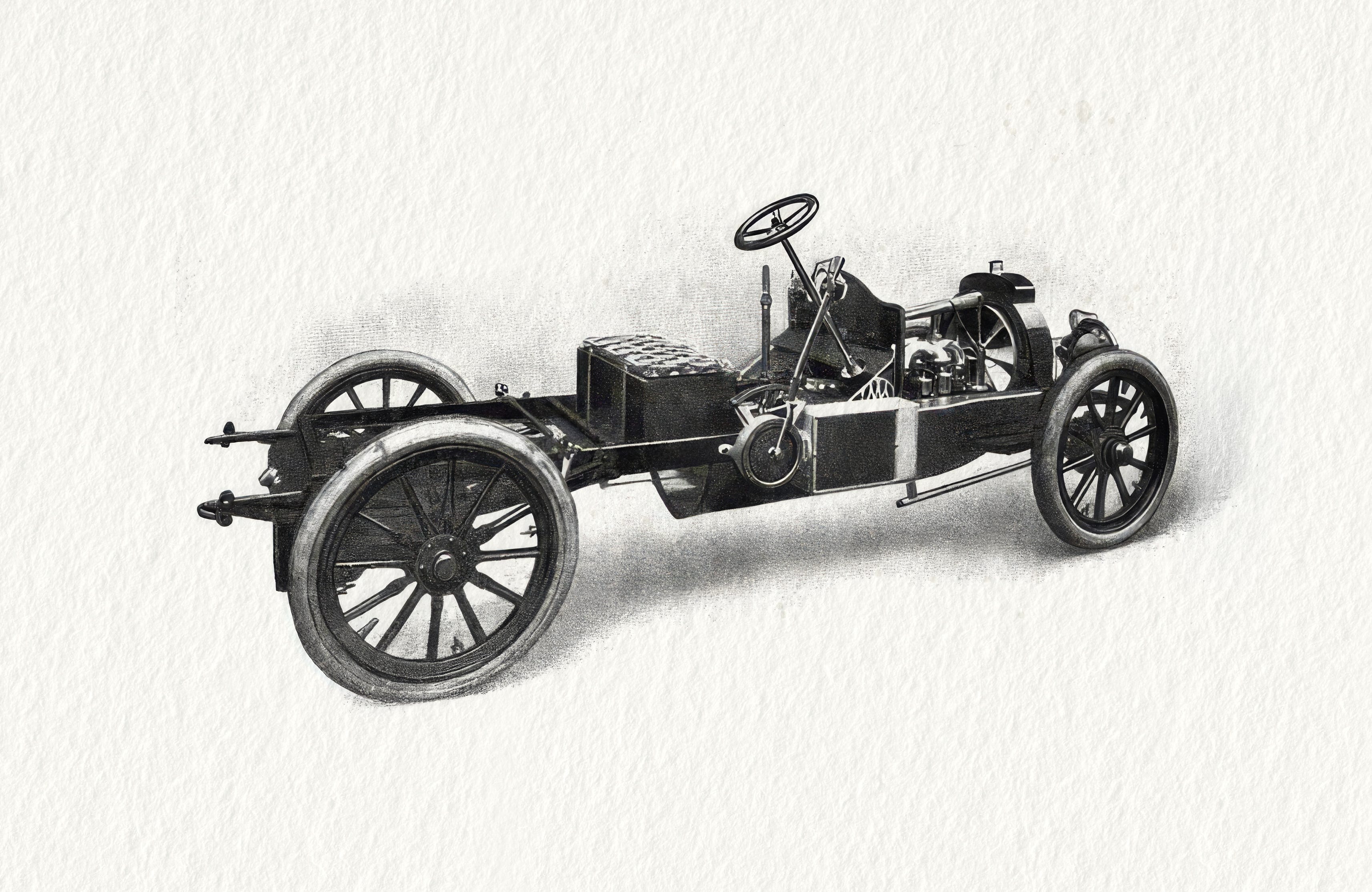
During the 1920s, engineer Arnold Couchard developed an unusual small-displacement engine using sliding valves rather than conventional poppet valves. This powered the Impéria-Tili and subsequent small sporting models.
Van Roggen also pursued a consolidation strategy, acquiring competing Belgian manufacturers including Métallurgique, Excelsior and Nagant, as well as coachbuilding operations. His ambition was to create a Belgian automotive group capable of competing with the much larger American manufacturers.
In 1928, Impéria constructed one of Europe’s most extraordinary automobile testing facilities.
The company’s factory was constrained by its location alongside a river and road, so engineers incorporated a banked test circuit into the existing factory grounds and rooftops.
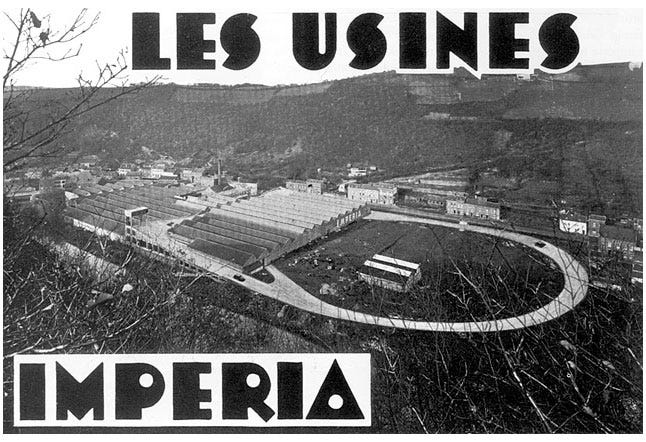
The facility allowed vehicles to be tested without driving on public roads. It was inspired by Fiat’s Lingotto facility in Turin and remains one of the most interesting architectural features associated with Belgian automobile manufacturing.
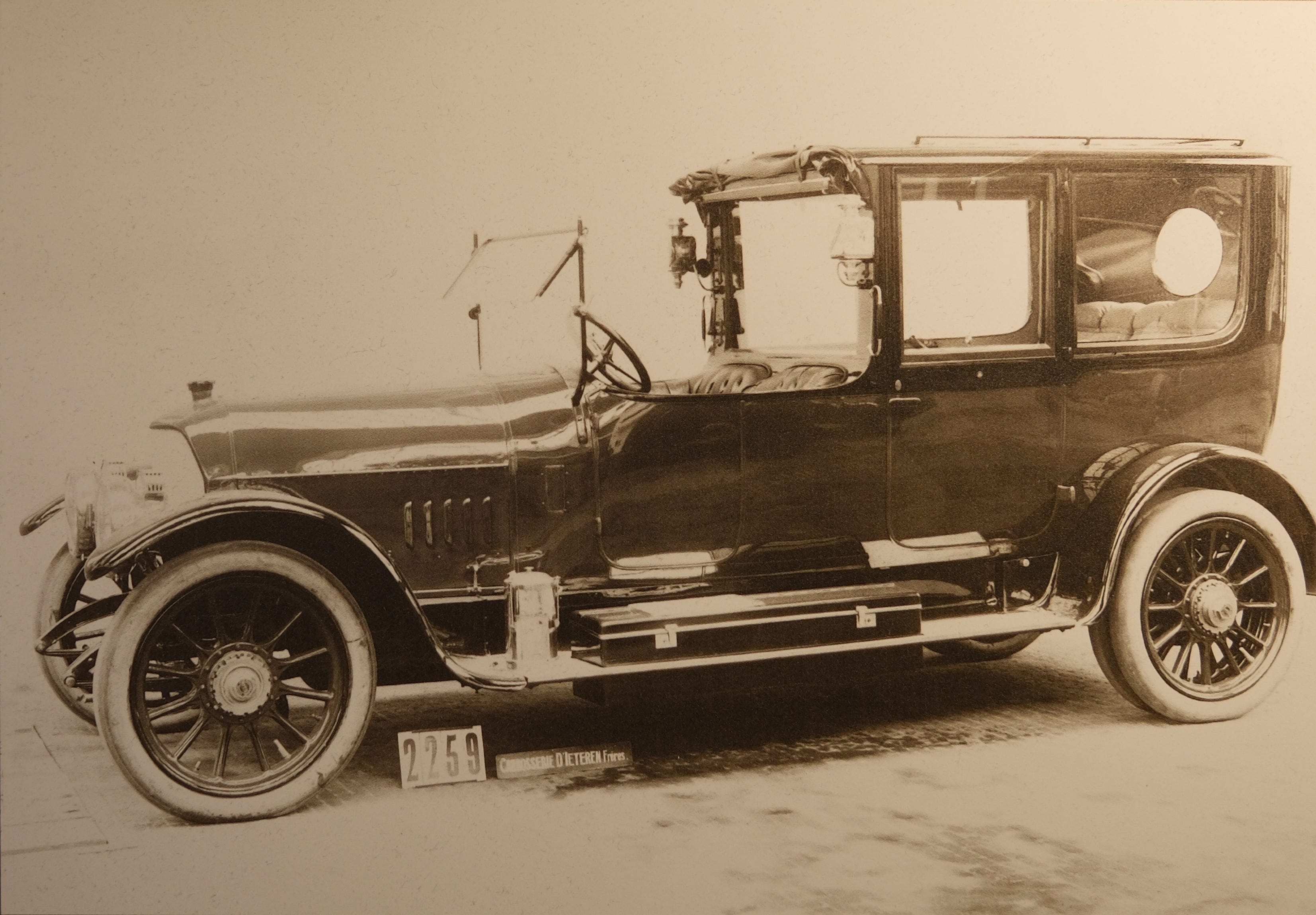
The Depression and competition from larger manufacturers forced Impéria to reconsider its strategy.
In 1933, the company negotiated an agreement with Germany’s Adler to manufacture front-wheel-drive vehicles derived from the Adler Trumpf.
These cars combined German mechanical engineering with Belgian-built chassis and coachwork.
In 1935, Impéria acquired the remains of luxury manufacturer Minerva, forming the Minerva-Impéria group. Although this created a powerful Belgian industrial organization, financial difficulties and the outbreak of World War II ultimately undermined its ambitions.
After World War II, Impéria resumed limited production of its own automobiles.
Its final major model was the TA-8, a front-wheel-drive vehicle using a 1,340 cc Hotchkiss engine derived from the Amilcar Compound. Production ended around 1949.
To remain economically viable, the Nessonvaux works increasingly assembled vehicles for other manufacturers, particularly the British Standard Vanguard and Triumph sports cars. The factory also handled limited Alfa Romeo assembly and other industrial activities.
When Standard-Triumph transferred production to its own Belgian facilities, Impéria lost a crucial source of business.
In 1958, the historic Nessonvaux automobile factory closed, ending one of Belgium’s most significant automotive enterprises.
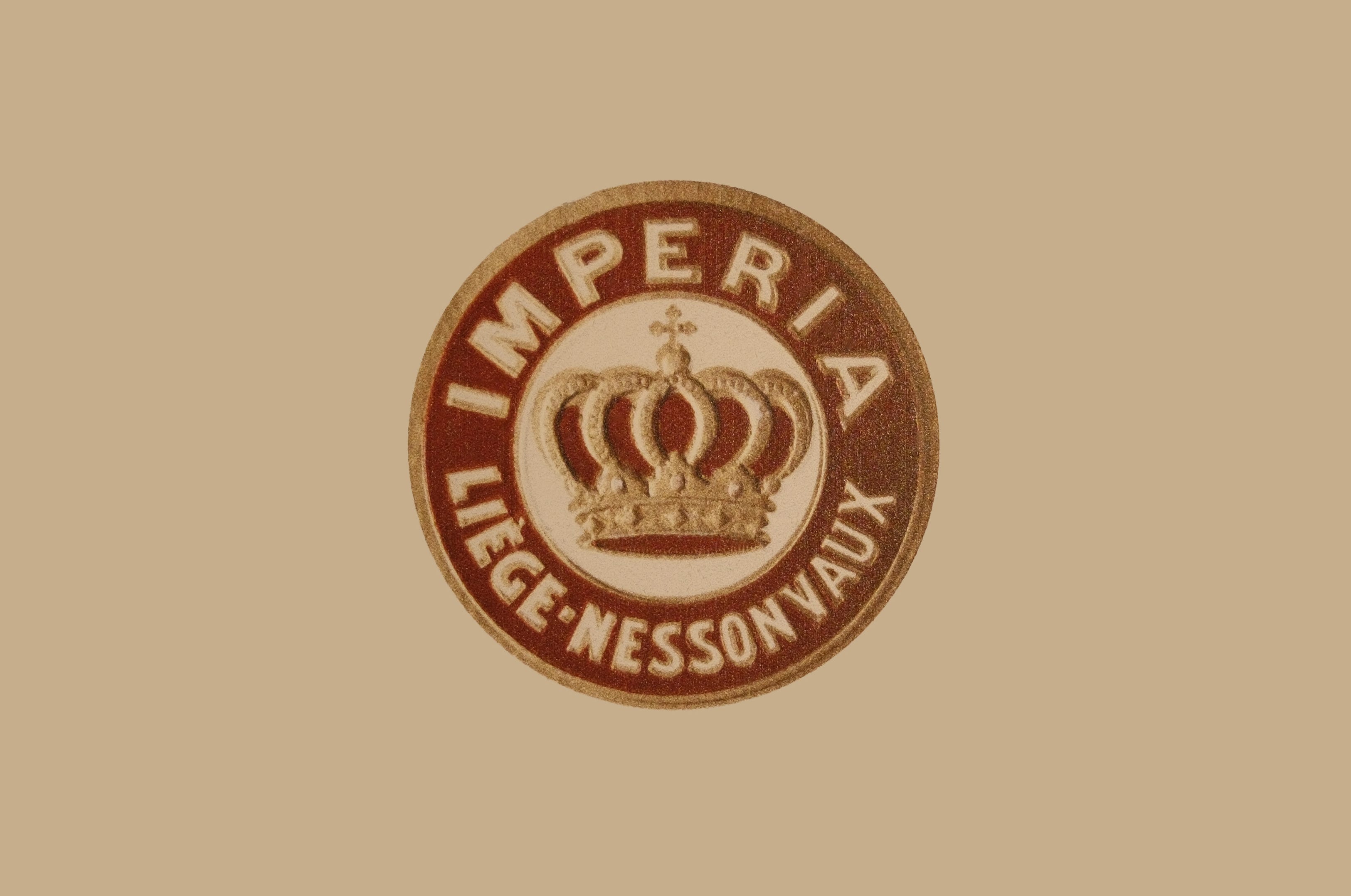
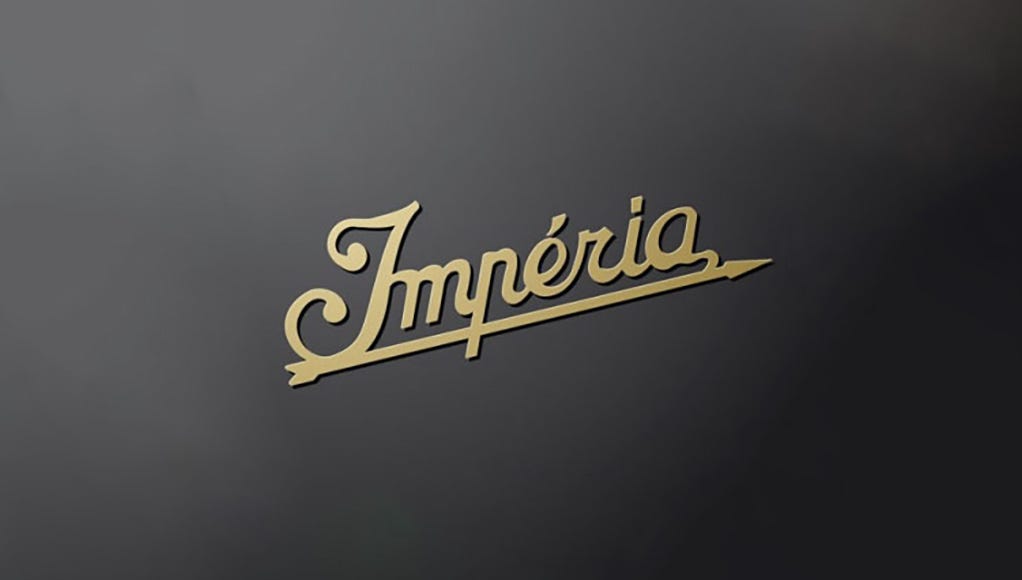
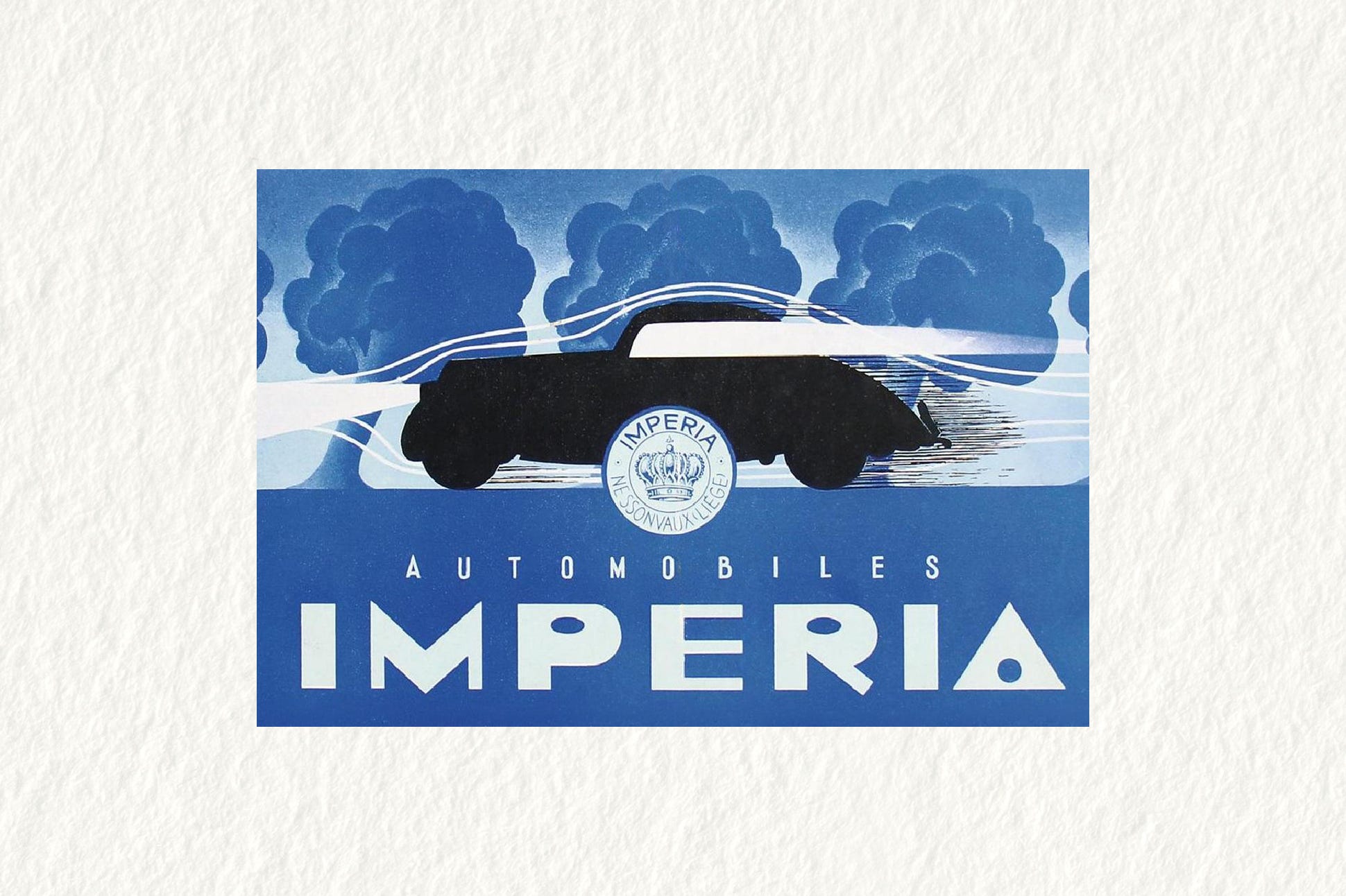
The Impéria logo and emblem.
Impéria used a crown as its principal visual symbol. The design referenced the crown of Charlemagne and the imperial heritage of Aachen, Germany, where Piedboeuf had worked.
The crown appeared in several forms throughout the company’s existence. Its branding also included flowing Impéria script lettering, conventional uppercase wordmarks, decorative radiator badges, and carefully designed advertisements.
The crown was not simply an ornament: it connected the marque’s name to a recognizable historical symbol of imperial power and prestige.
In 2008, Belgian company Green Propulsion acquired rights to revive the Impéria name. A working prototype called the Impéria GP was demonstrated at Spa-Francorchamps in 2012. The project encountered financing difficulties and the revived company was declared bankrupt in 2016.
(sources: Impéria, RVCCB, Wikipedia)
Another fascinating look at a largely forgotten manufacturer!
The Nessonvaux factory's banked test track is extraordinary. I've always been fascinated by Fiat's Lingotto factory in Turin, but I hadn't realized Impéria had developed something similar.
I also enjoyed reading about the connections with Minerva, Adler, and Standard-Triumph. It's remarkable how many of these once-independent European manufacturers became intertwined as they struggled to survive.
And I was particularly pleased to see the 1948 brochure! There's something wonderful about seeing the original sales literature alongside the history of the automobiles themselves.
Thanks for another enjoyable trip through automotive history!