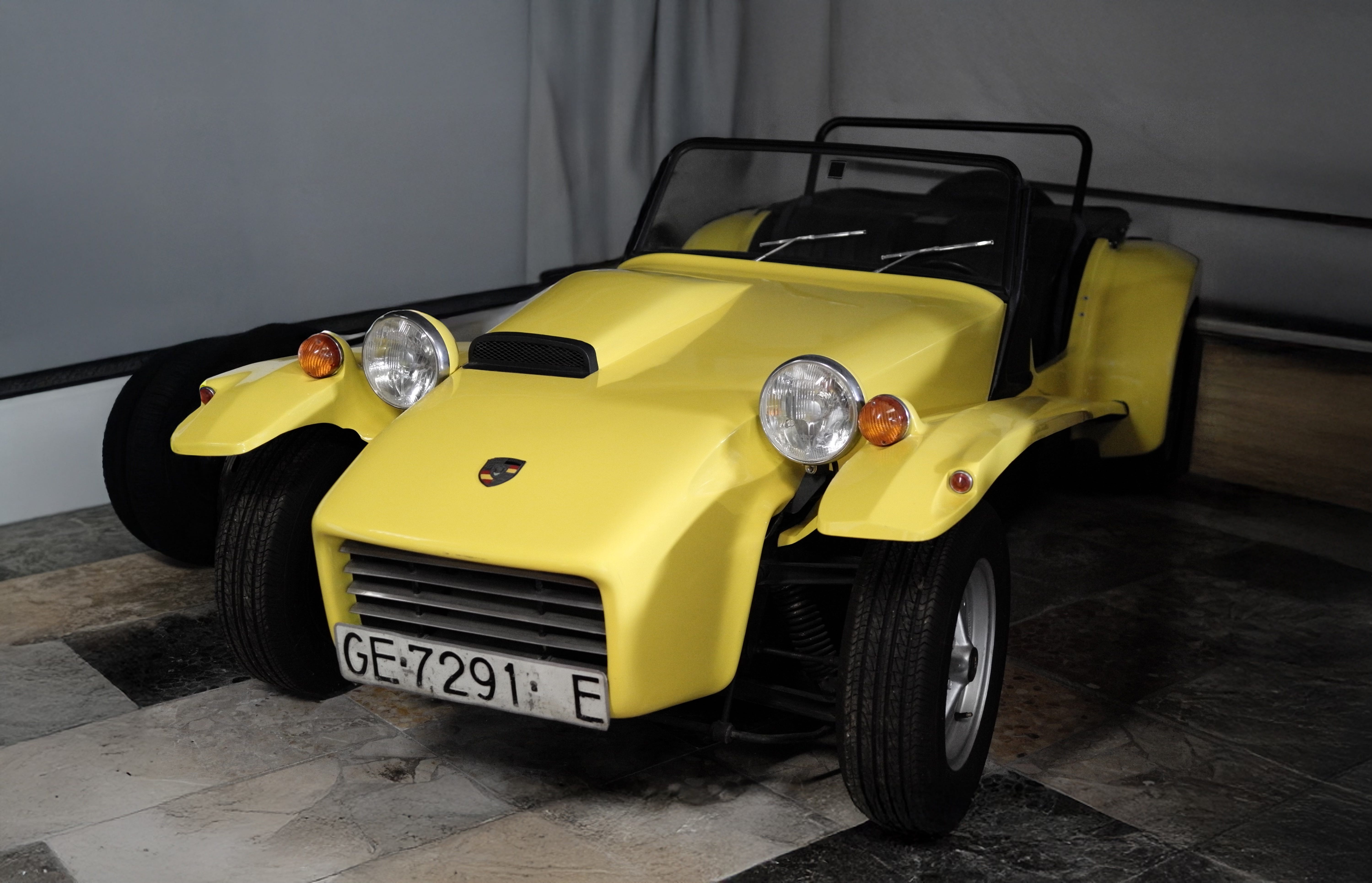
Hispano-Alemán was a small Spanish automobile manufacturer and assembler based in Madrid, active mainly between the late 1960s and mid-1970s. Despite its short life, the company is remembered for producing a handful of stylish, lightweight sports cars inspired by German designs—hence the name “Spanish-German.”
The company was founded by Werner Bernhard Heins, a German entrepreneur living in Spain. Heins was passionate about sports cars and wanted to offer Spanish customers versions of popular German roadsters that were otherwise difficult or impossible to import at the time due to strict Spanish trade restrictions under Franco.
Spain in the late 1960s had a very tight automotive market with high tariffs on imported cars. As a result, small local companies emerged to license, reinterpret, or clone foreign sports cars. Hispano-Alemán followed this pattern.
Hispano-Alemán built a small lineup based on German originals, often using Spanish-approved mechanical components (commonly SEAT engines and chassis modifications). Its cars were hand-assembled in very low numbers.
1. Hispano-Alemán Mallorca
Based on: Lotus Seven–style lightweight roadster.
Engine: Usually SEAT 600/850/1430 derivatives, depending on customer order.
Notes: This was their most successful model and the closest to a “Spanish Seven.” Lightweight, simple, and playful.
2. Hispano-Alemán Castilla
Based on: Porsche 356 Speedster replica.
Notes: Very few units built; the car had attractive lines but limited mechanical performance compared to the real Porsche.
3. Hispano-Alemán Vizcaya
Based on: Porsche 550 Spyder–type design.
Notes: Rare and mostly built to order.
4. Hispano-Alemán Mallorca GT (less common)
Occasional references note a closed-body version or upgraded Mallorca variants, but documentation is scarce.
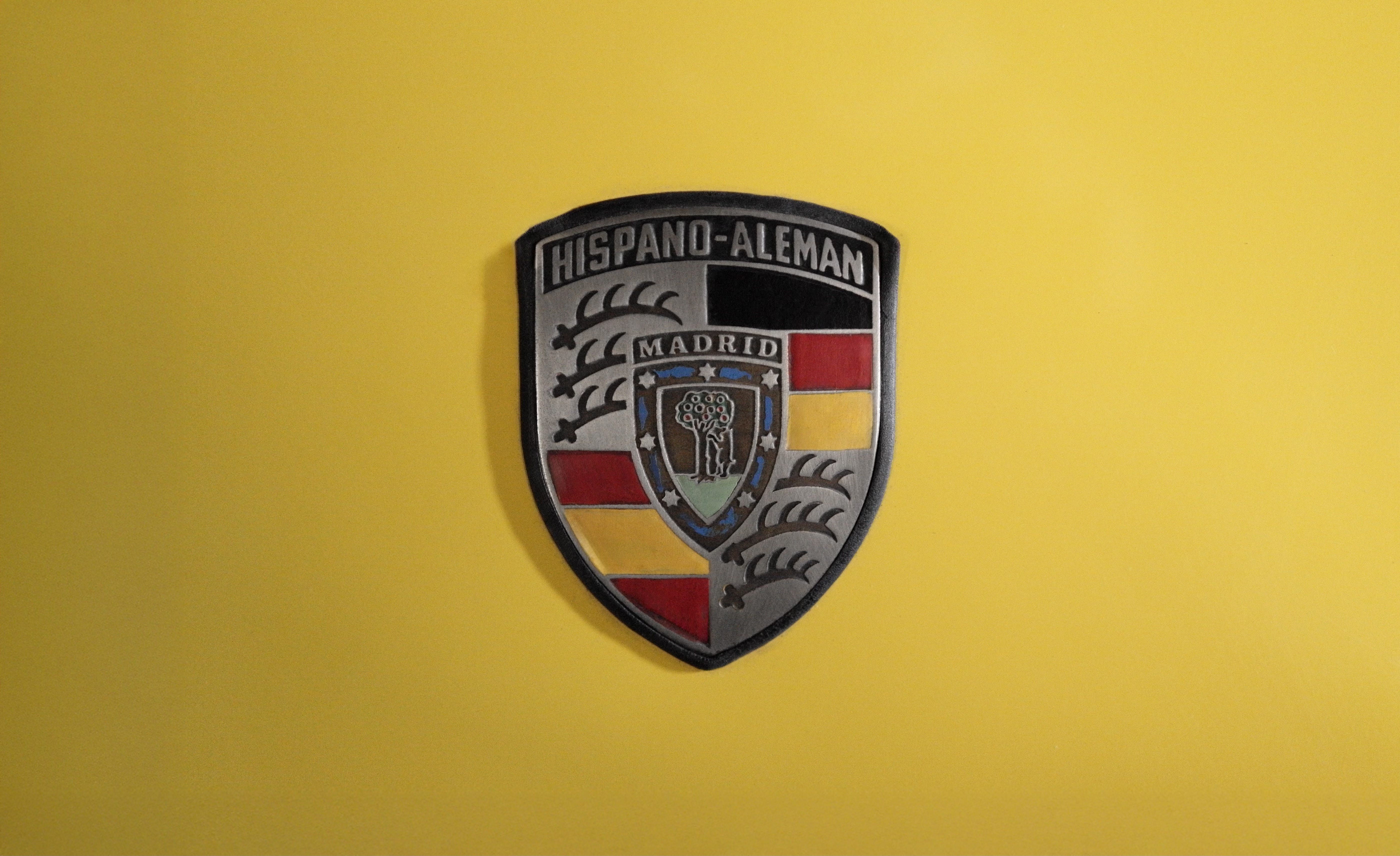
The emblem is extremely representative of the brand’s concept:
German flag + Spanish flag → “Hispano-Alemán.”
MADRID → company’s headquarters.
Heraldic figure and stars → stylized version of the Madrid coat of arms.
Antlers → a visual nod to Bavaria/Württemberg heraldry and Porsche tradition.
This badge typically appeared on the nose of the Mallorca and on promotional materials.
By the mid-1970s Spain began loosening import restrictions. The market for kit-style sports cars was extremely small, making the cars too expensive to hand-build, and regulatory homologation were tightened.
Production slowly ended, and Hispano-Alemán faded into obscurity. Today, surviving cars are rare collectibles, especially the Mallorca, which has a cult following among enthusiasts of Spanish automotive history.
1971 Hispano-Alemán Mallorca.
The example below is currently at Col·lecció d’Automòbils Salvador Claret in Sils, Girona.