Hanomag (short for Hannoversche Maschinenbau AG) was a German manufacturer based in Hanover, founded in 1835.
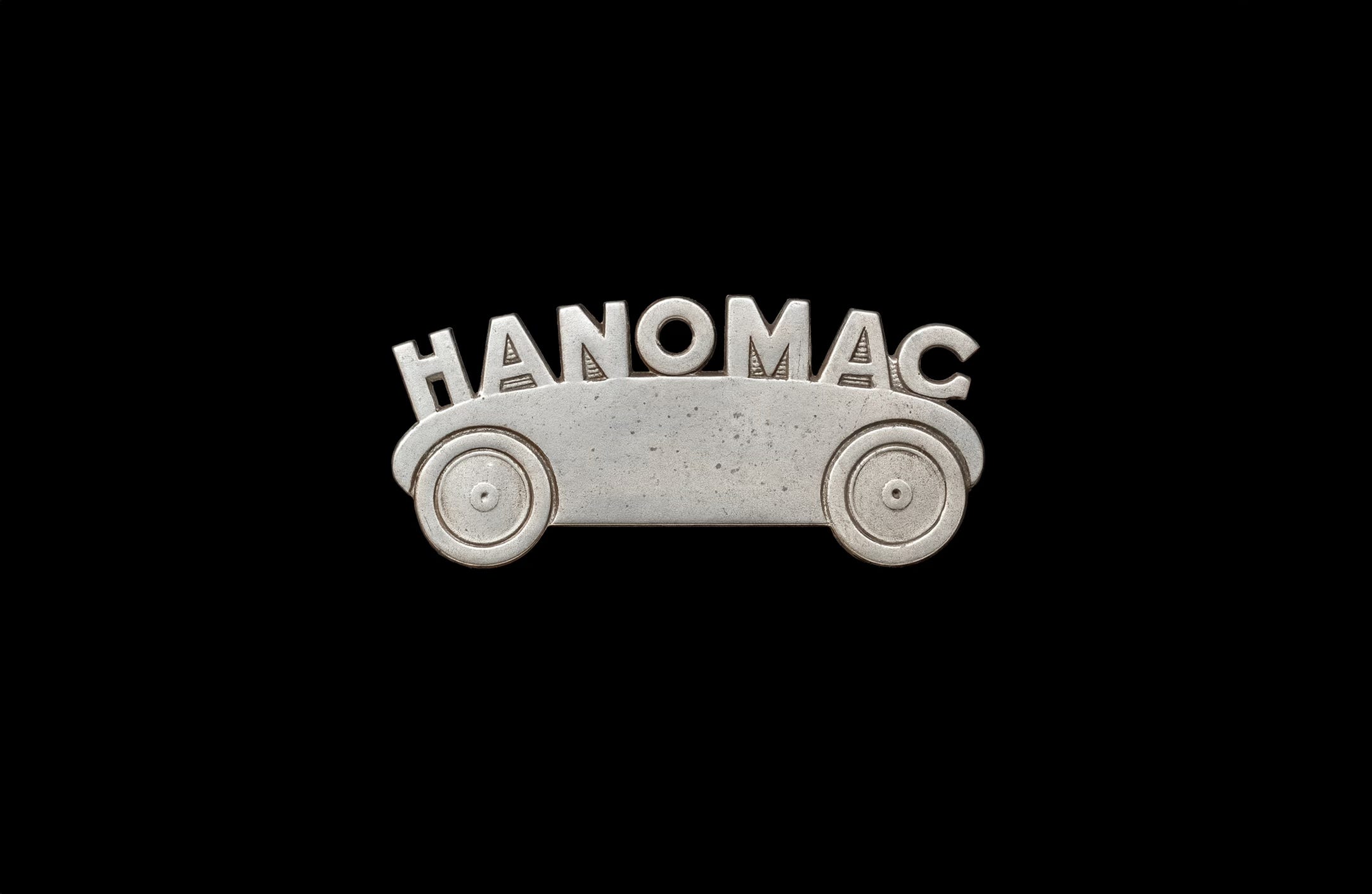
The company originally produced steam engines and industrial machinery, later becoming famous for locomotives and heavy equipment.
Hanomag entered the automotive world in the early 20th century. In 1905, they produced its first road vehicle, a steam-powered truck.
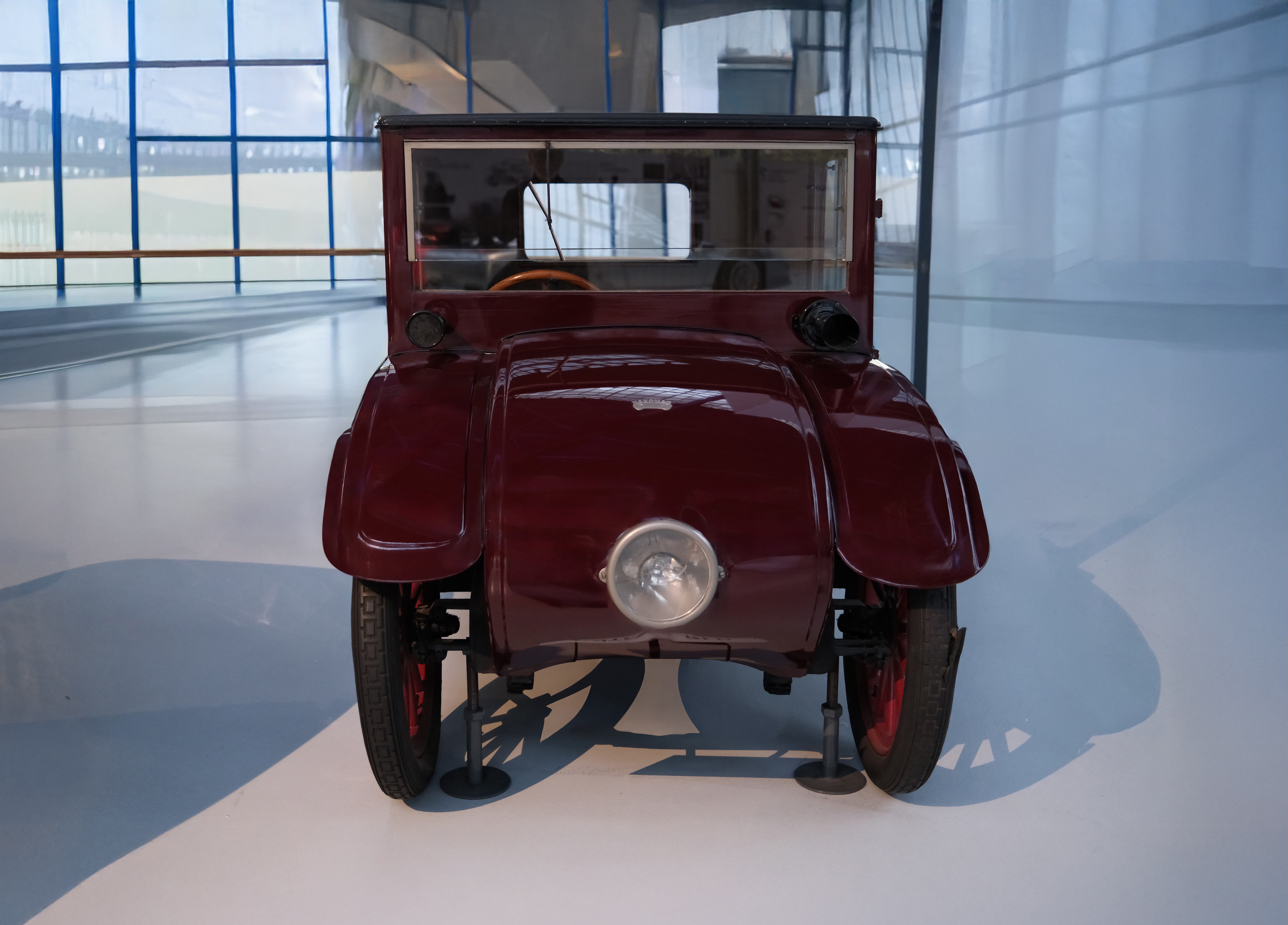
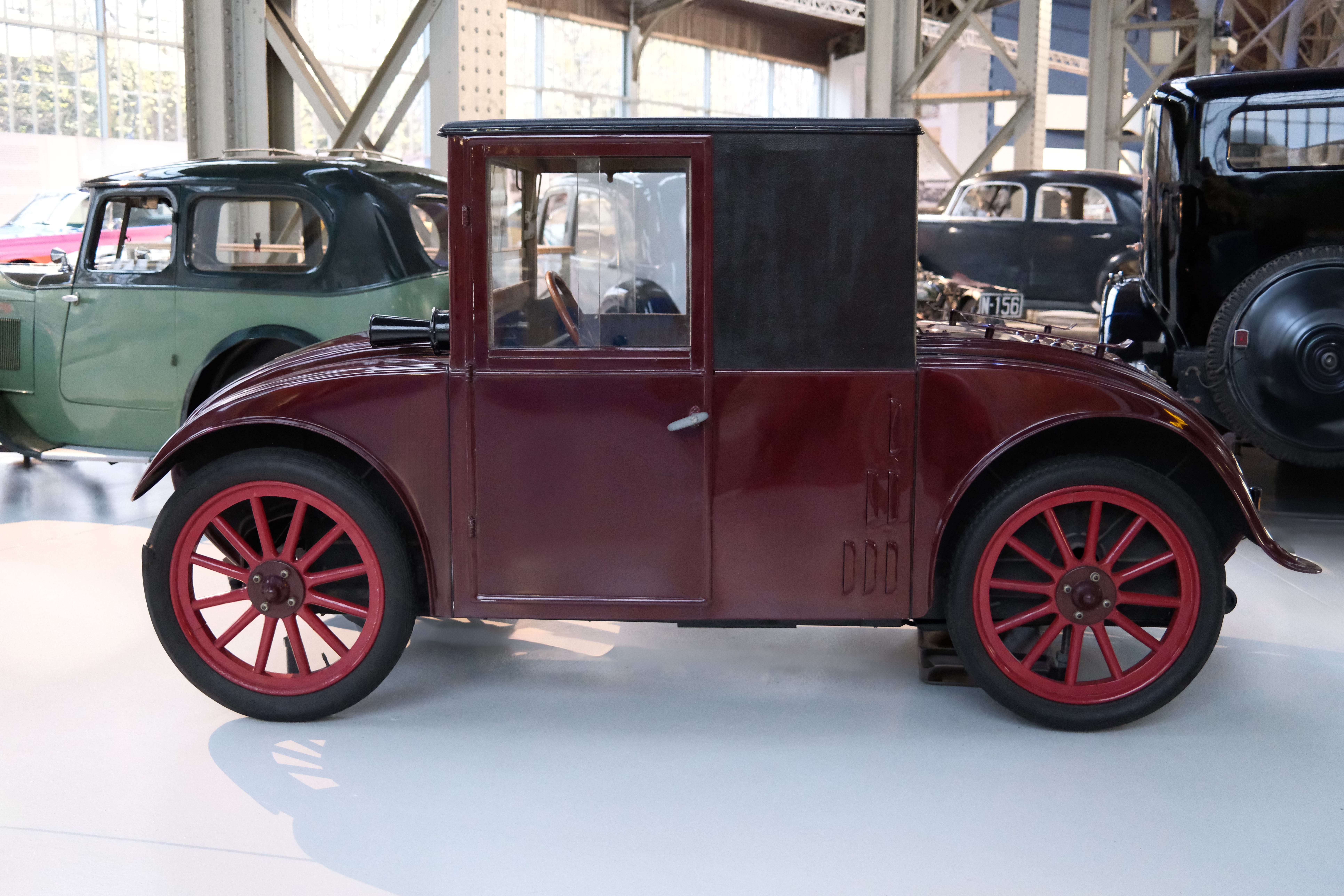
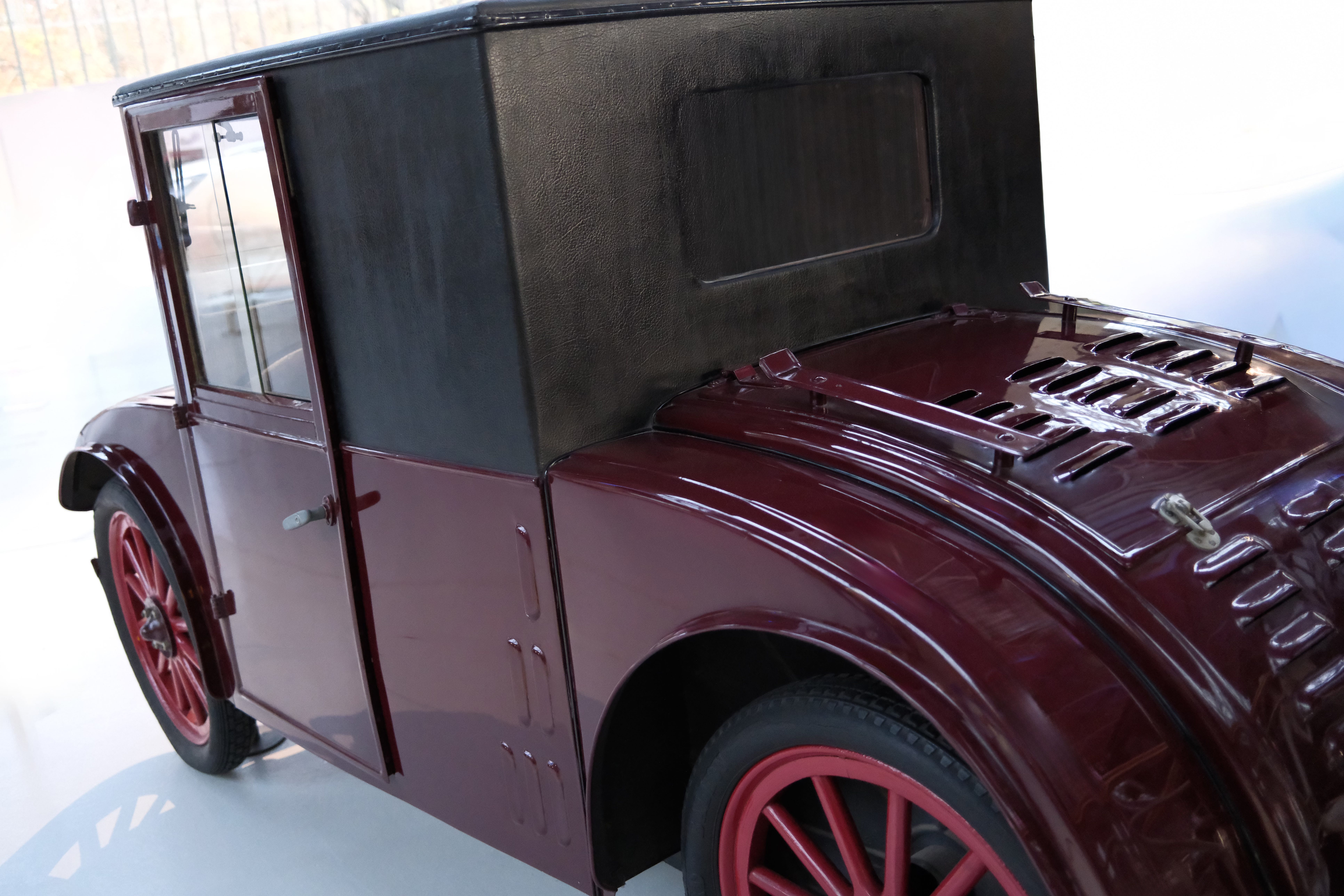
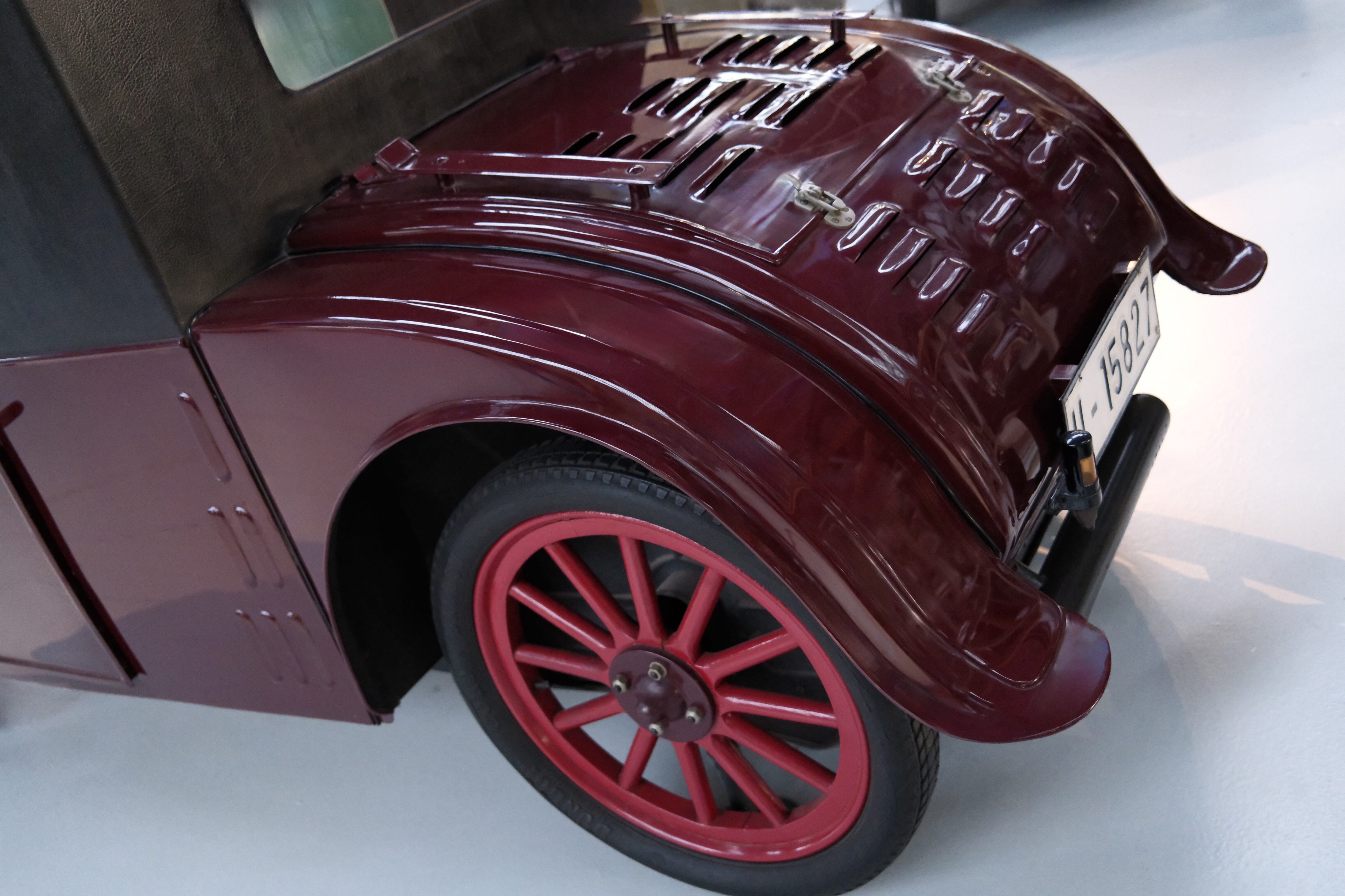
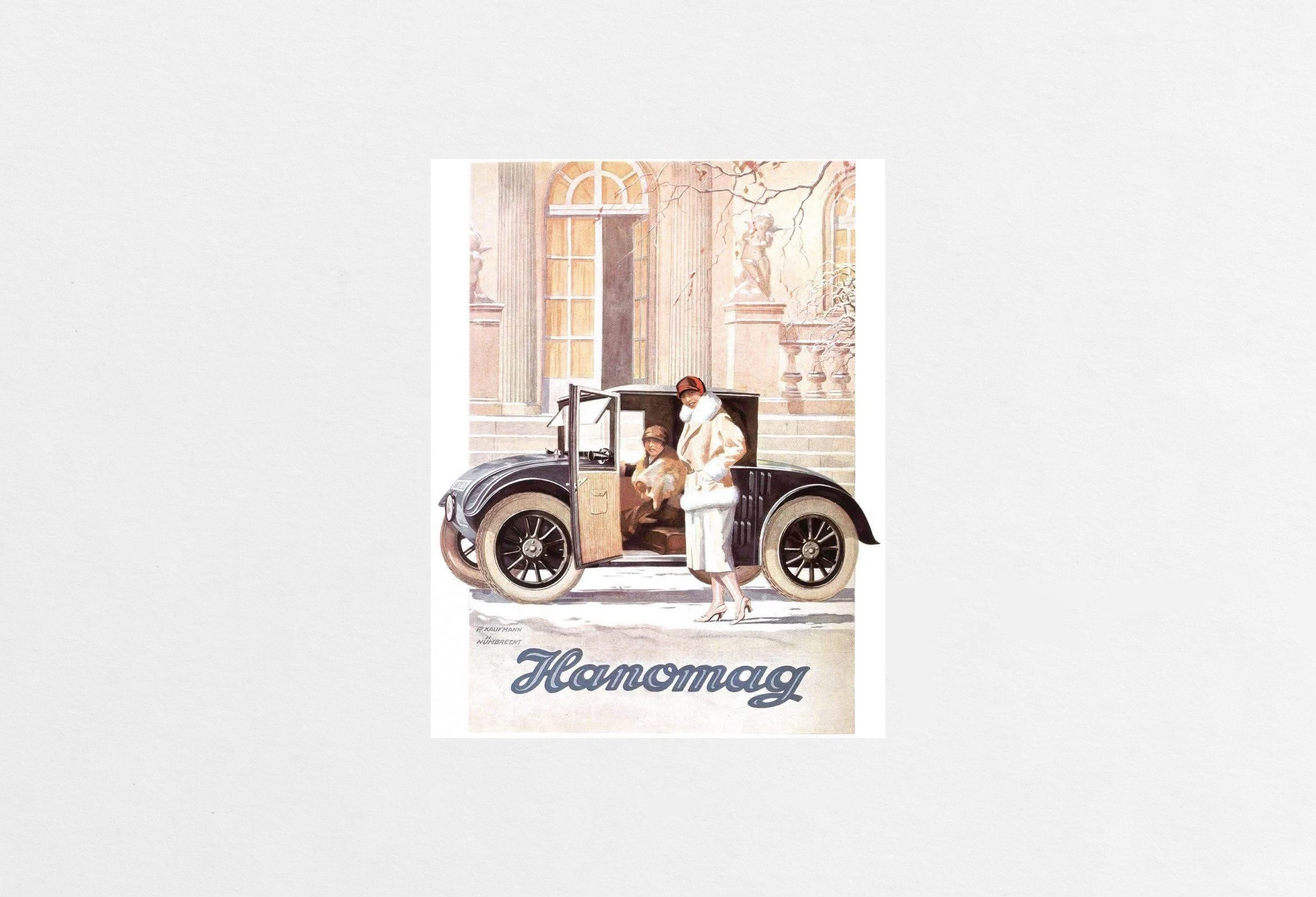
1925 — Introduced the tiny Hanomag 2/10 “Kommissbrot”, one of Europe’s earliest affordable microcars, known for its simple “bread loaf” shape.
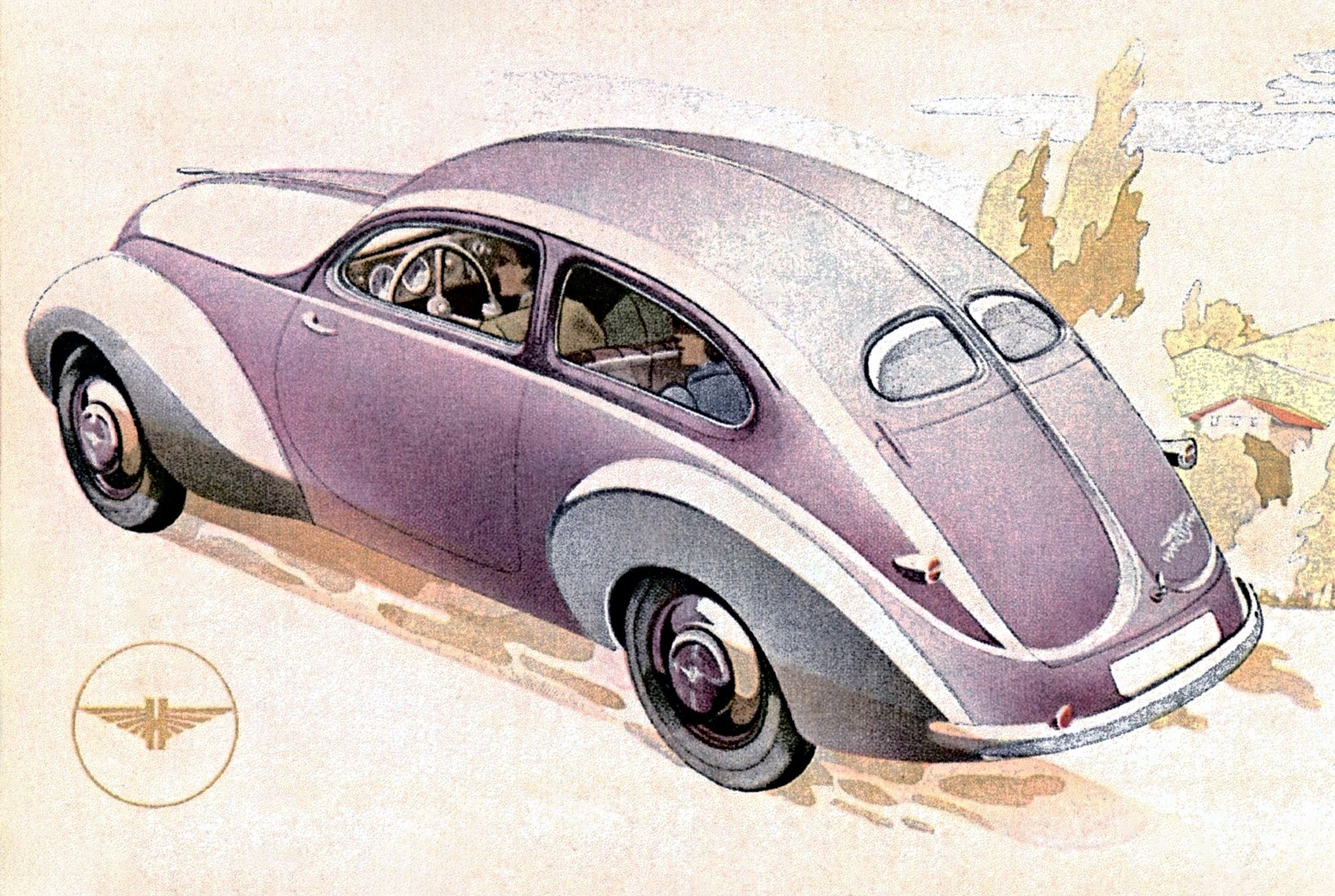
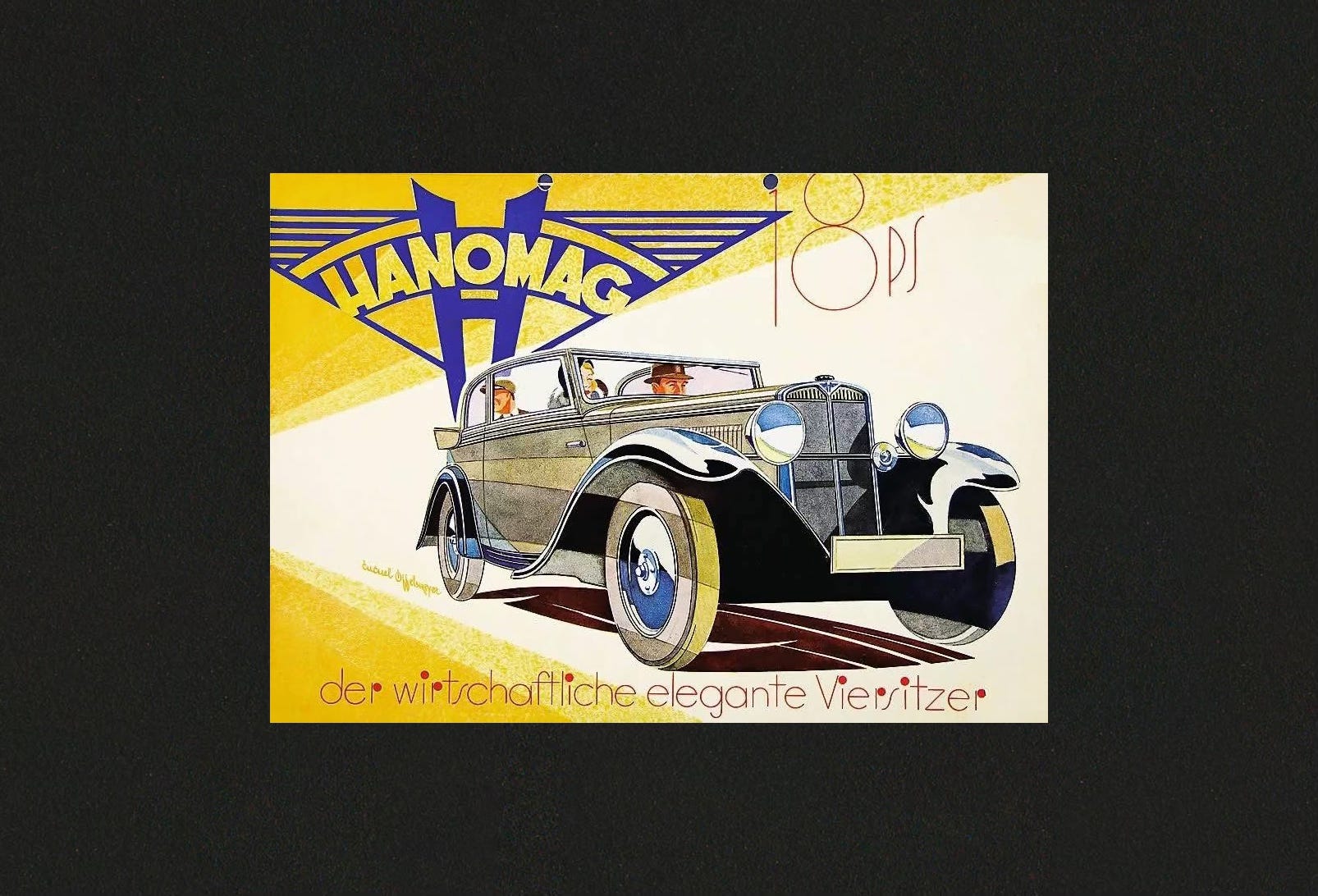
1930s — Expanded into passenger cars and light trucks, gaining popularity for sturdy, reliable vehicles.
Post–WWII — Shifted focus to tractors and construction machinery as the car division declined.
1950s–60s — Became one of Germany’s major tractor manufacturers.
1969 — Merged into the Rheinstahl and later the Massey Ferguson and Komatsu groups.
1980s–2000s — The Hanomag name survived mainly in construction equipment until it was fully absorbed by Komatsu.
Hanomag is remembered for three things. The “Kommissbrot” microcar, a symbol of early low-cost car design. Reliable tractors and construction machines, which became its postwar strength. And its influence on industrial design, especially in affordable transportation.


1925 Hanomag 2/10 “Kommibrot”
After the First World War, automobiles became more accessible to the general public. Once Henry Ford put half of America on wheels with his brilliantly simple Model T, other countries followed—albeit reluctantly. In this segment, beauty mattered very little; only an extremely sharp price tag counted. Following the principles of early industrial design, everything had to be simple, inexpensive, and preferably sturdy. Interiors were almost nonexistent: a couple of seats and a steering wheel were usually all customers could expect.
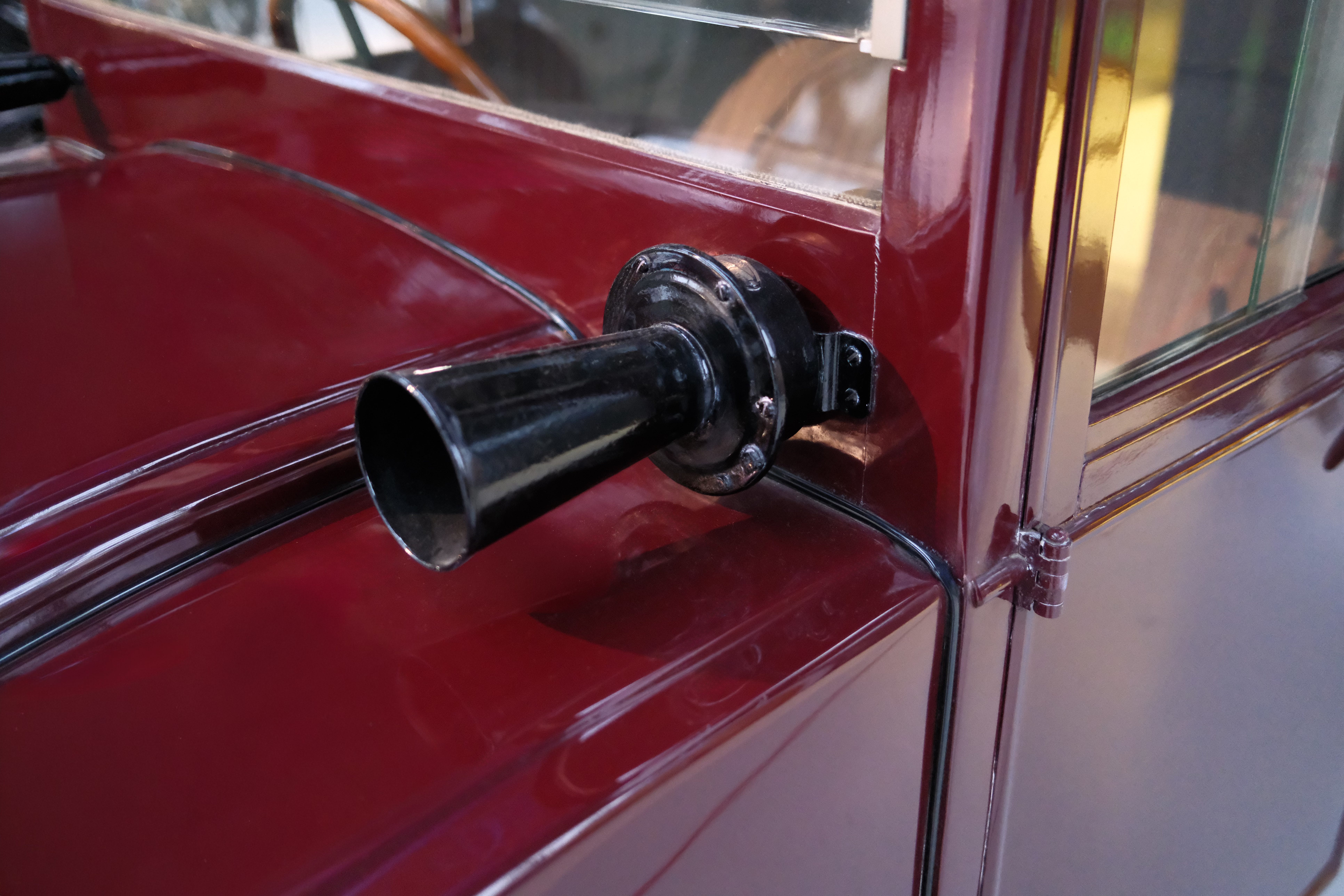
This German Hanomag 2/10 from 1925 (currently at Autoworld in Brussels, Belgium) is a perfect illustration of what this new way of thinking produced—whether one finds it attractive or not. Designed by two clever engineering students using extremely simple technology, it ended up costing almost half as much as the cheapest small Opel. In just three years, more than 15,000 units were sold.