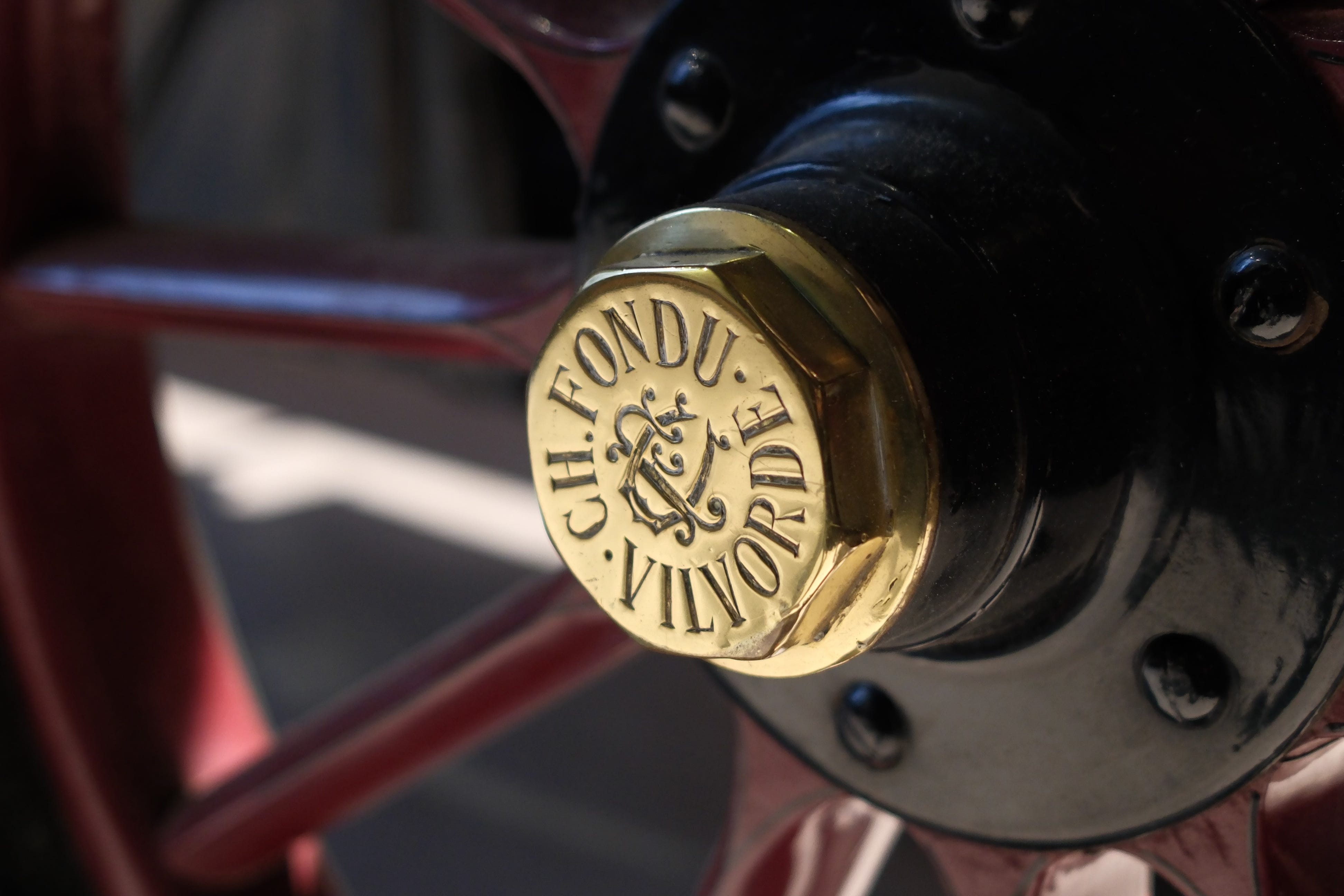
The roots of the company trace back to Jean-Baptiste Fondu, who founded a metal-working / machinery factory in Vilvoorde (near Brussels) around 1860–1865, supplying material for railways.
Around 1896, his son Charles J.B. Fondu took over the business (initially together with his sisters, under the name Société en nom collectif Charles J.B. Fondu et Soeurs) and soon acquired full control.
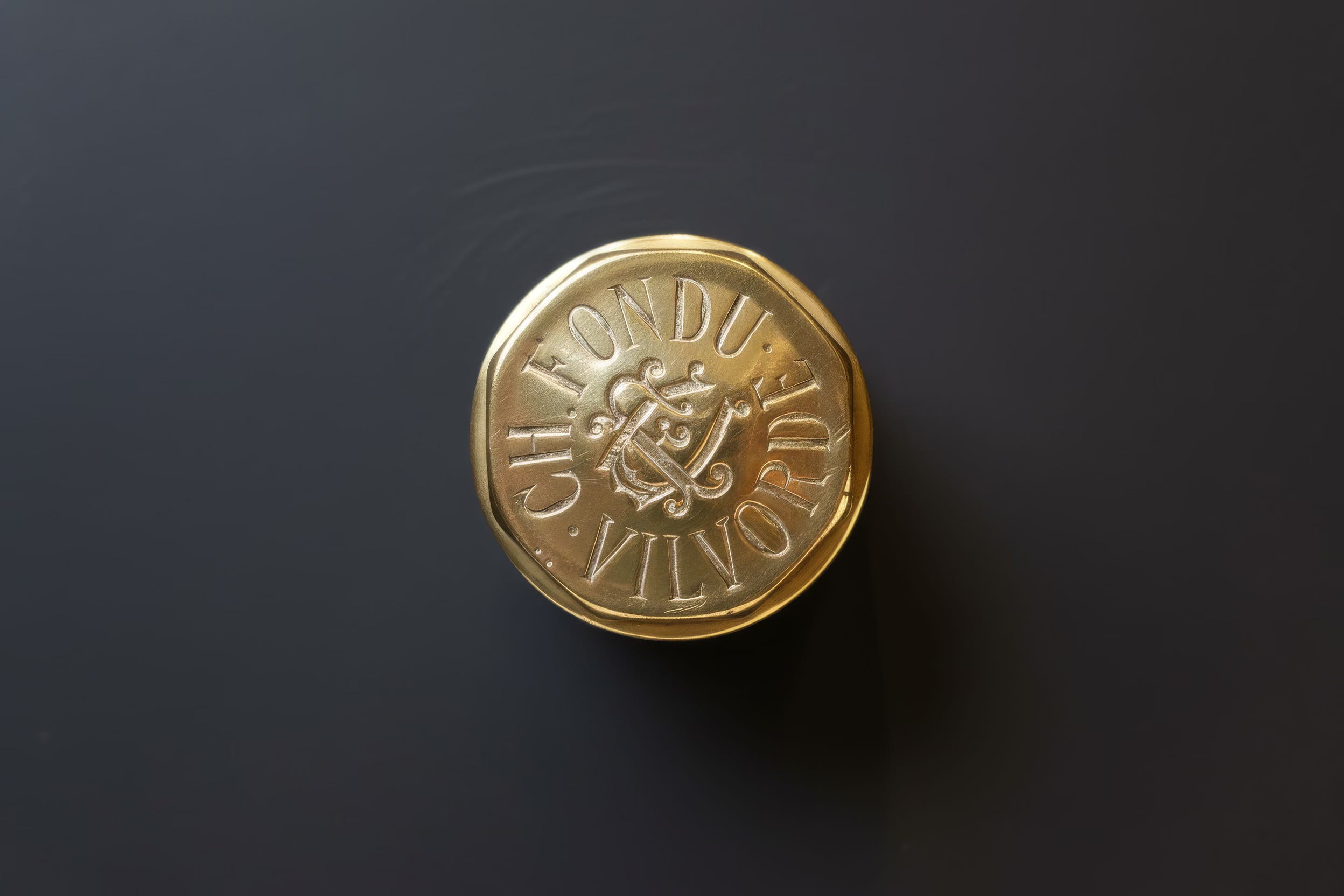
The company was originally specialized in railway and rolling-stock equipment — a significant trade in the industrializing Belgium of the 19th century.
Fondu started not as a car-maker but as part of the metal/railway-machinery tradition - exactly the kind of industrial-heritage transition that shaped early automotive history in Europe.
Under Charles J.B. Fondu’s leadership, the firm entered the automobile industry. The first car was launched in 1906: the “Type 1 CHF” (also known as 20/24 CV). It had a robust 4-cylinder engine (bore & stroke ≈ 100 × 120 mm), a three-speed gearbox, and shaft (cardan) drive.
The firm even licensed the 24/30 CV model to a company in Riga: this became part of the early history of Russo‑Baltique — a notable fact, since Russo-Baltique is often remembered as one of the first major car brands in imperial Russia.
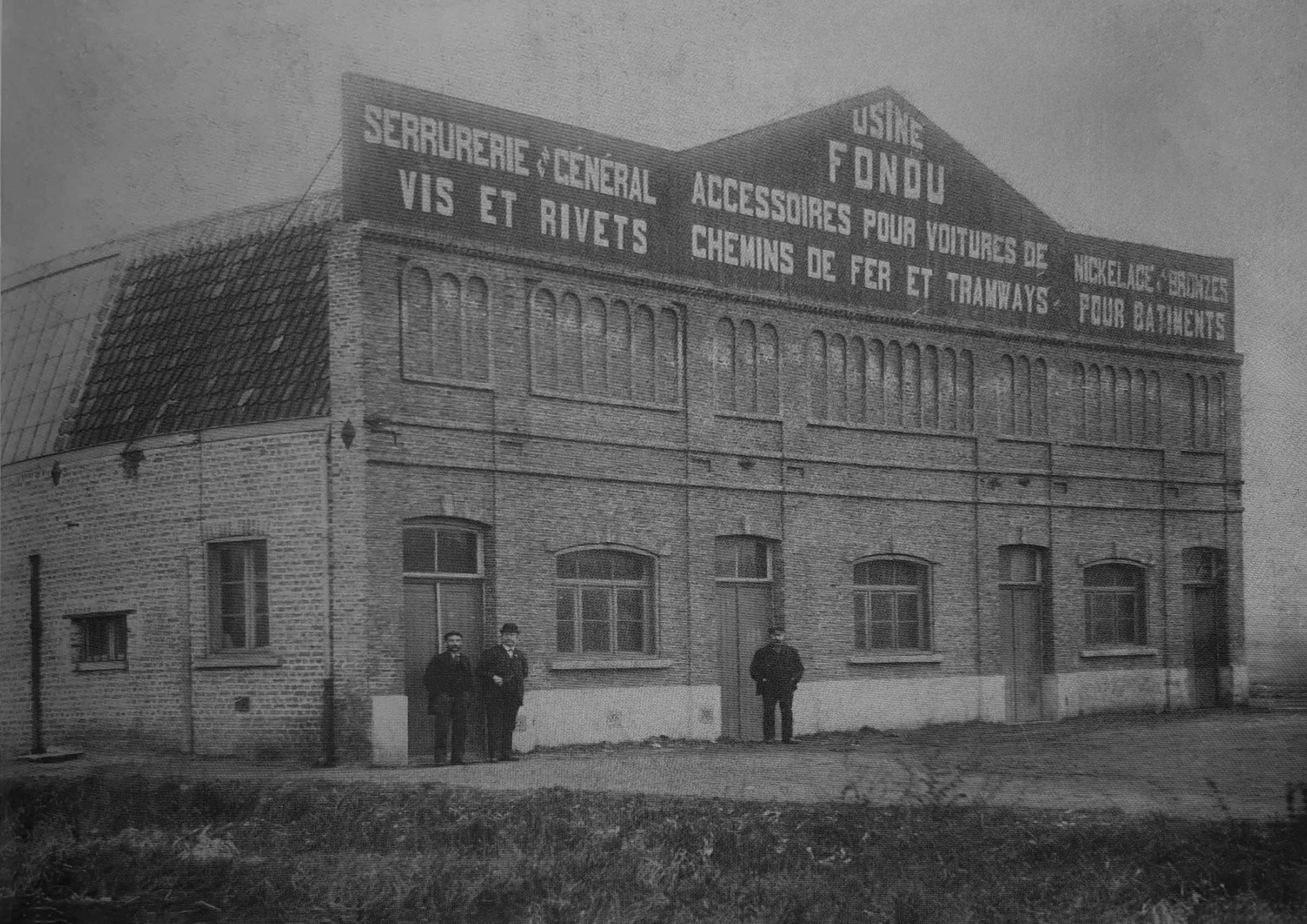
Despite early promise, full automobile production was relatively short-lived. In 1912, Charles J.B. Fondu died unexpectedly at the age of 39. This event marked the effective end of the company’s automobile program.
(A portion of this article is licensed under the GNU Free Documentation License. It includes some content from this Wikipedia article, as well as Fomu and Mondiale.)
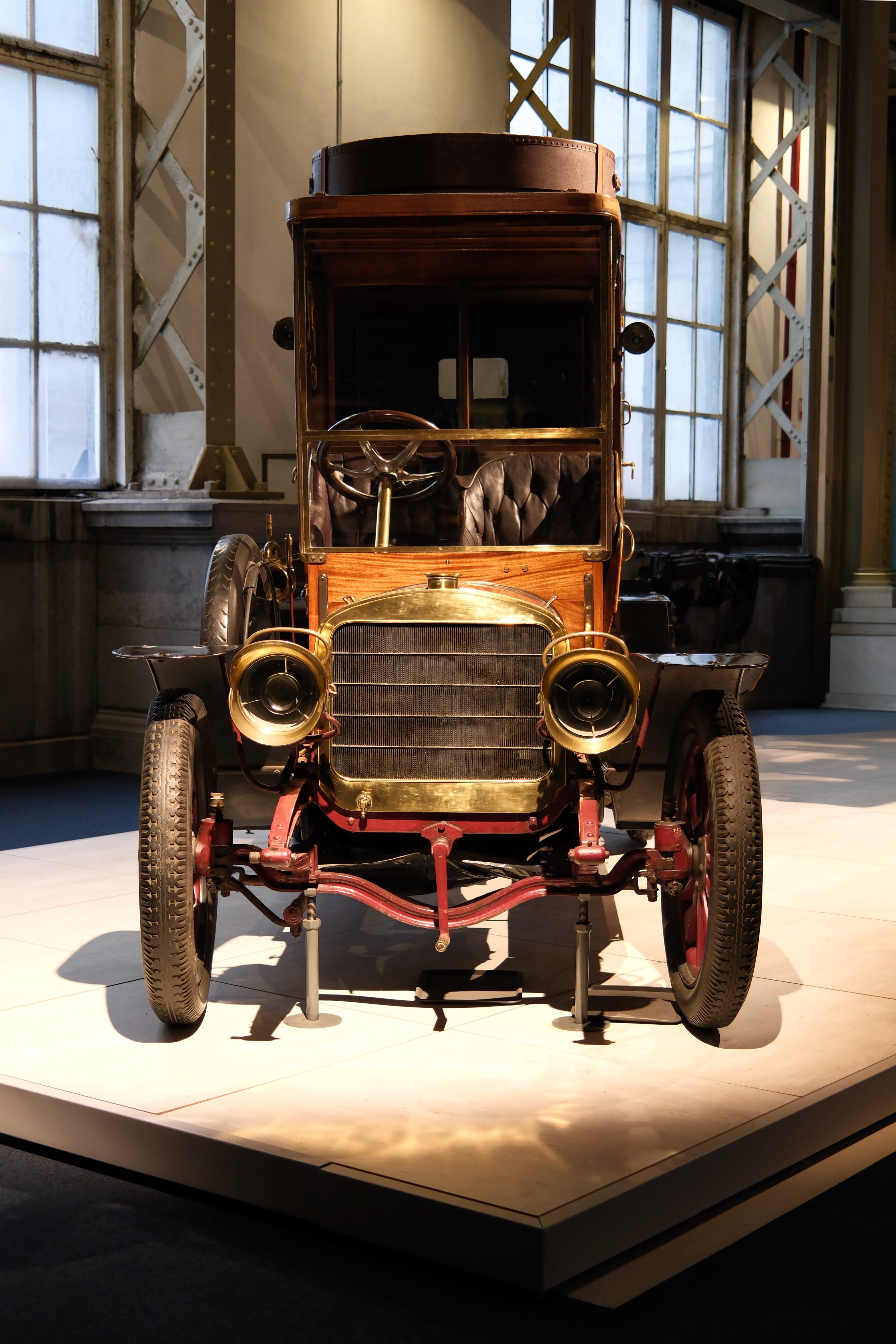
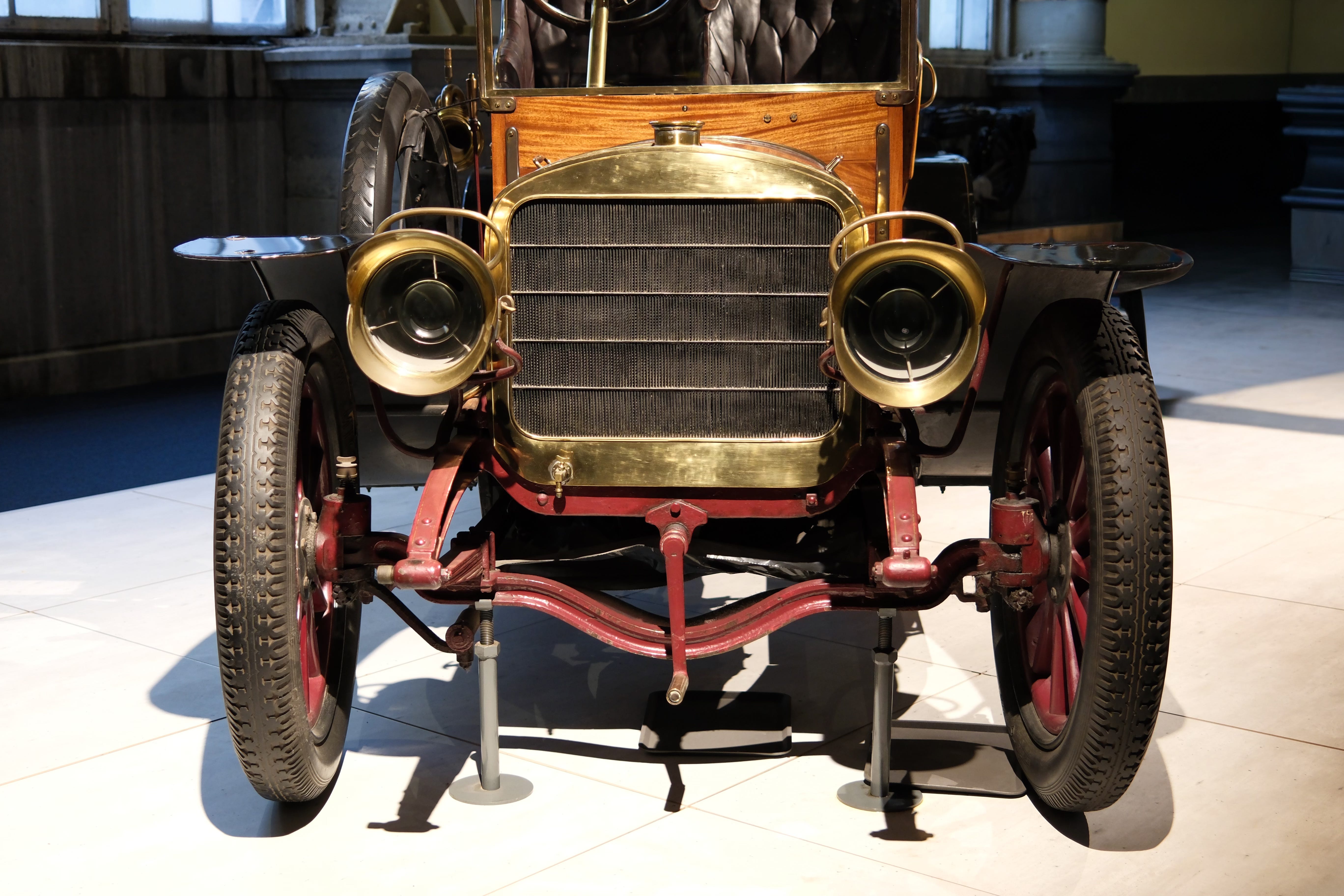
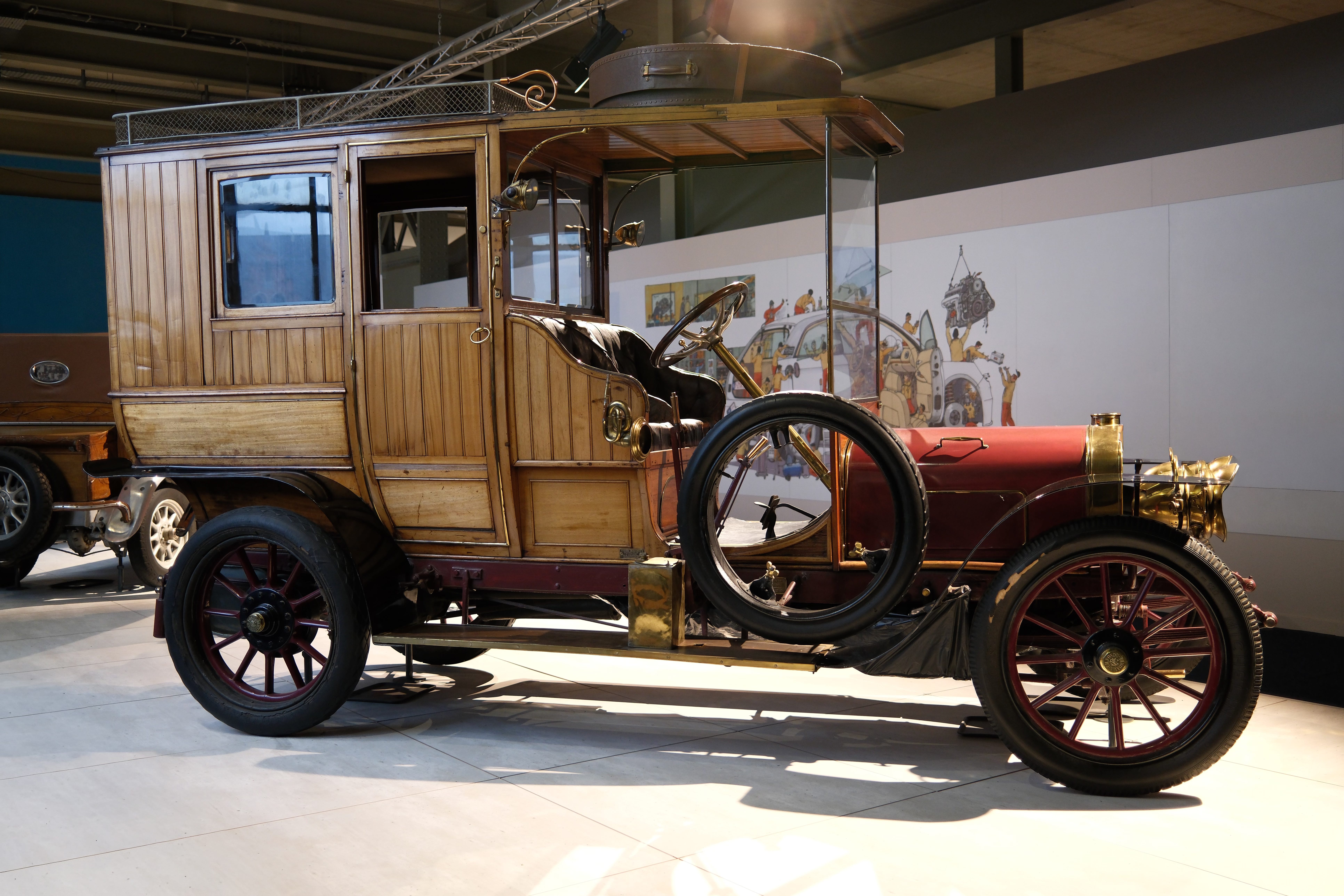
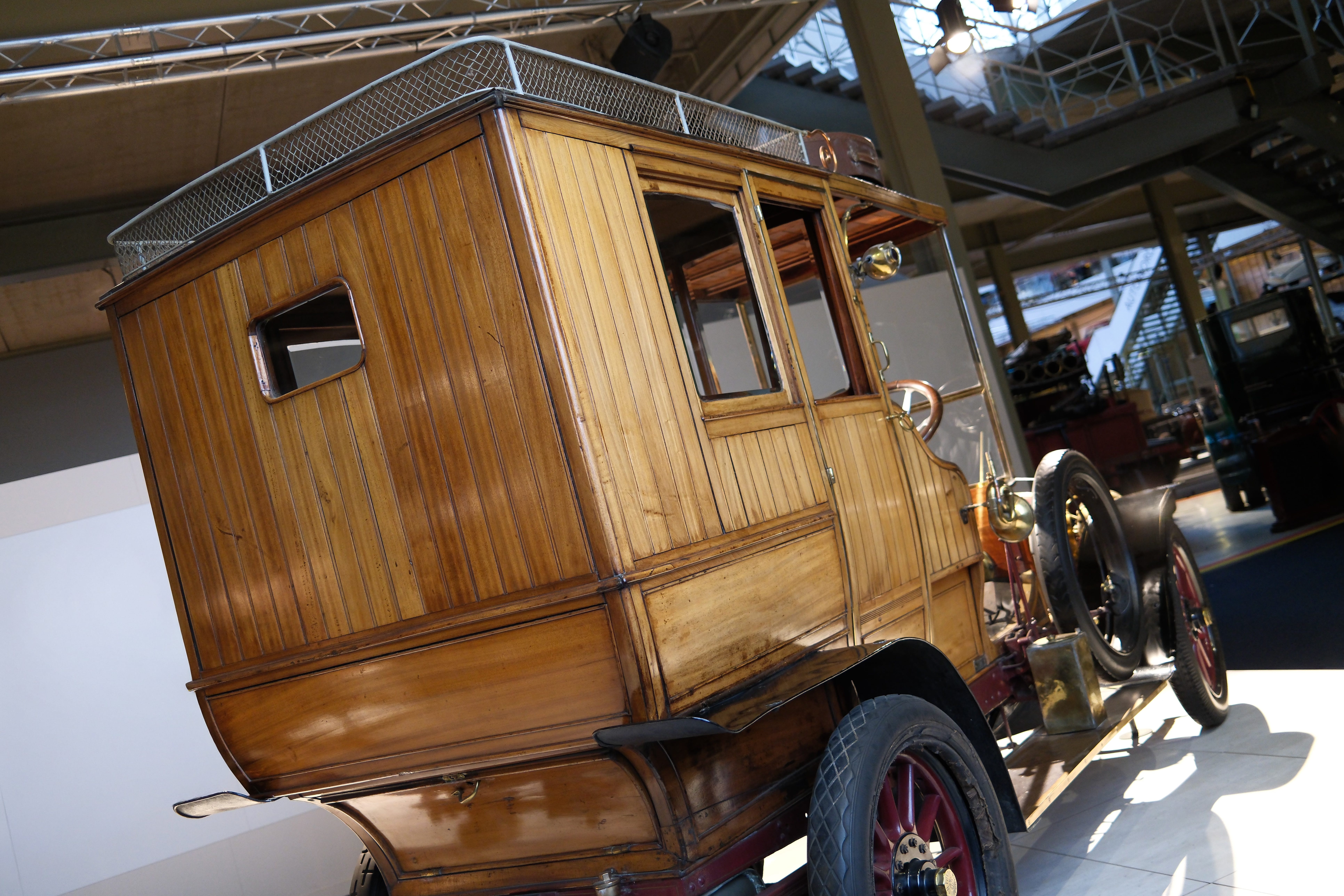
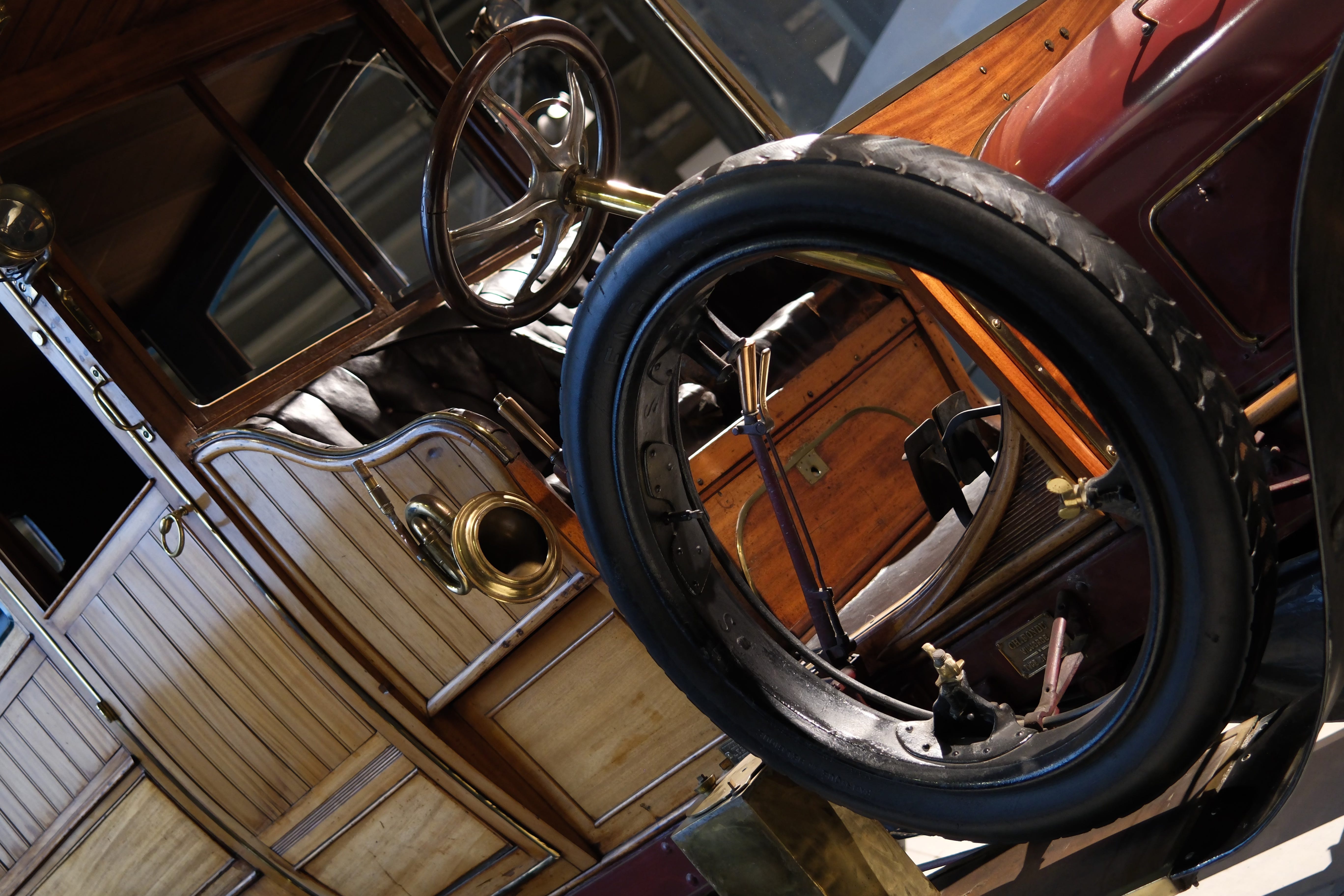
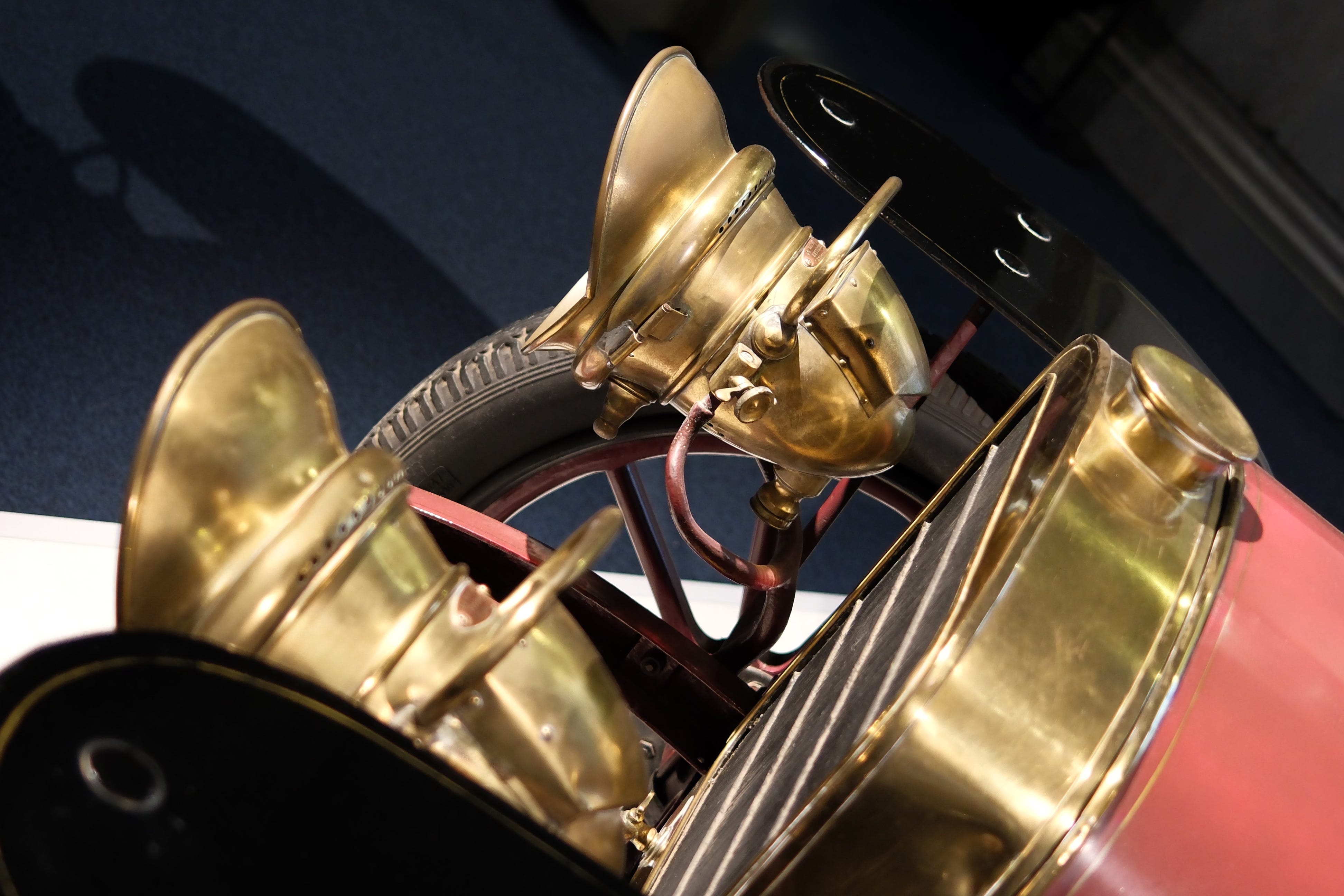
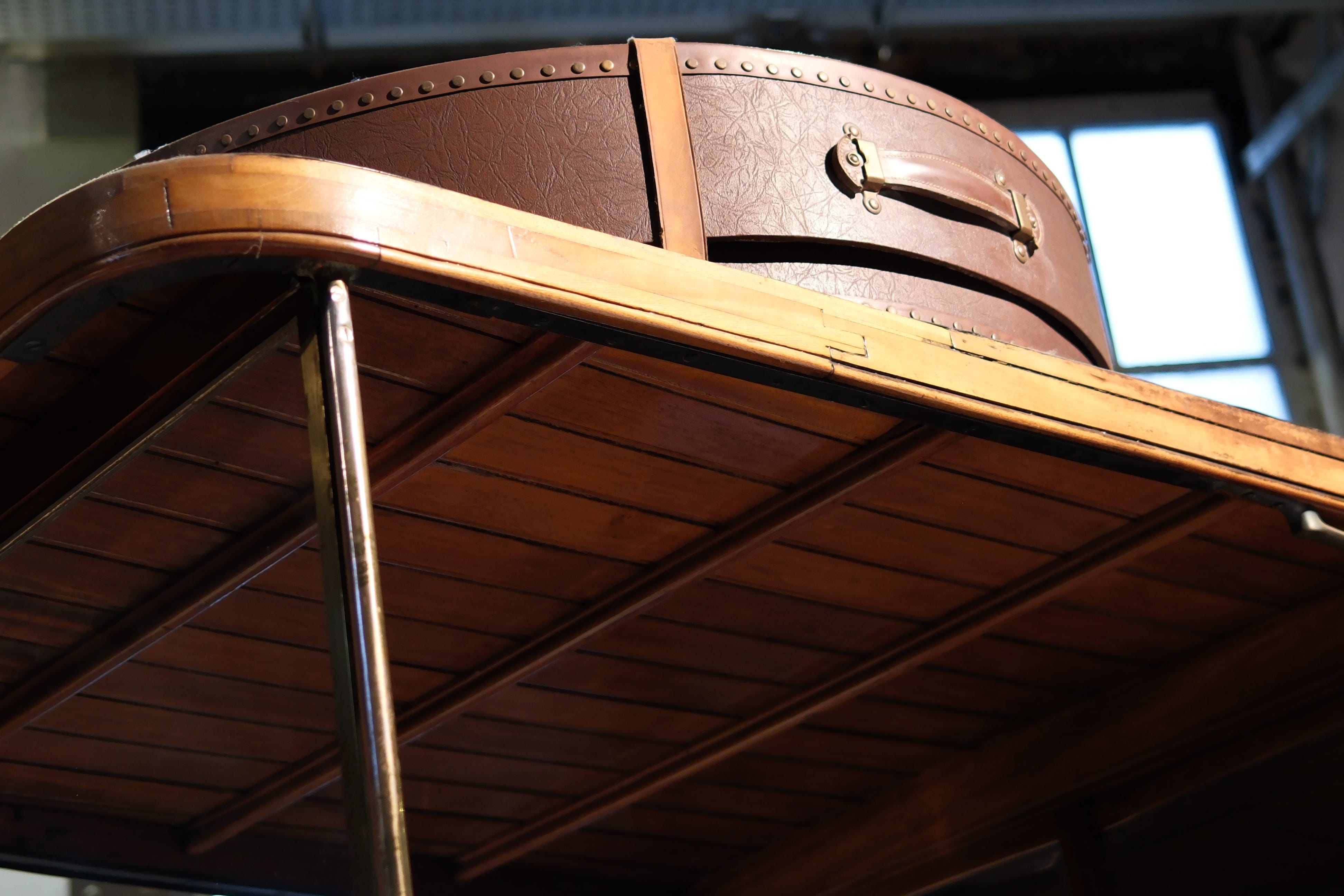
1906 Fondu CF.
This is one of the first models (chassis n°4), currently at Autoworld in Brussels, Belgium. The bodywork is made of pitch pine, by Victor Decunsel based in Molenbeek. A luxurious finish with chased glass and ivory accessories.