Darmont was a French automobile manufacturer active primarily from the early 1910s through the 1930s.
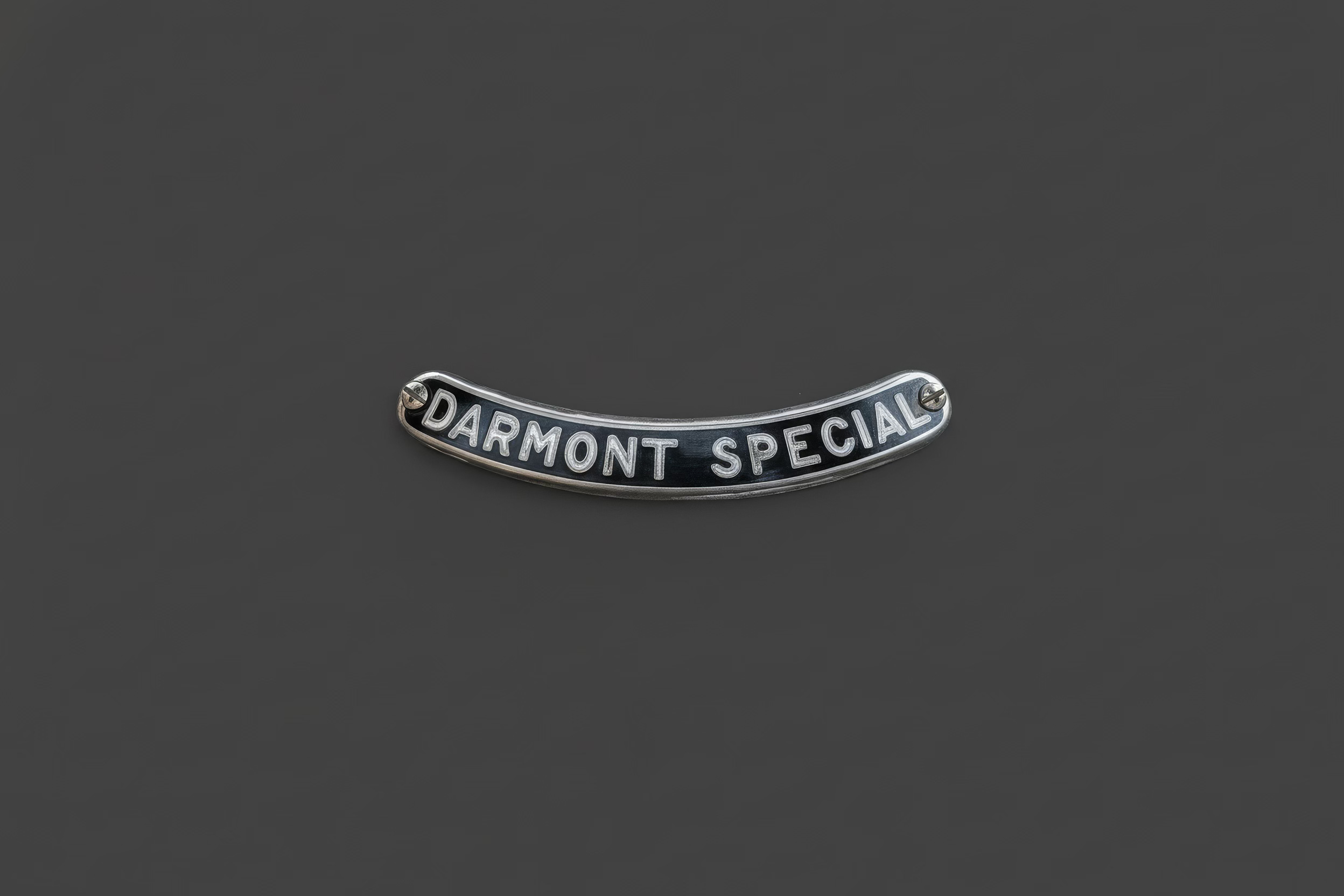
The company was founded by brothers Robert and André Darmont, who became fascinated with the lightweight, high-performance cyclecars emerging from England—especially those created by H.F.S. Morgan.
In 1910s France, vehicles in the cyclecar category were extremely popular thanks to tax advantages and inexpensive operation. Recognizing the market potential, Darmont acquired the exclusive French license to produce Morgan three-wheelers domestically. Early cars were essentially French-built Morgans, carrying the name Darmont-Morgan and closely following the British engineering and layout.
By the mid-1920s, Darmont began to diverge from Morgan, developing their own chassis refinements, bodies, and later front-wheel-drive designs—all while keeping the basic Morgan-style three-wheeler architecture.
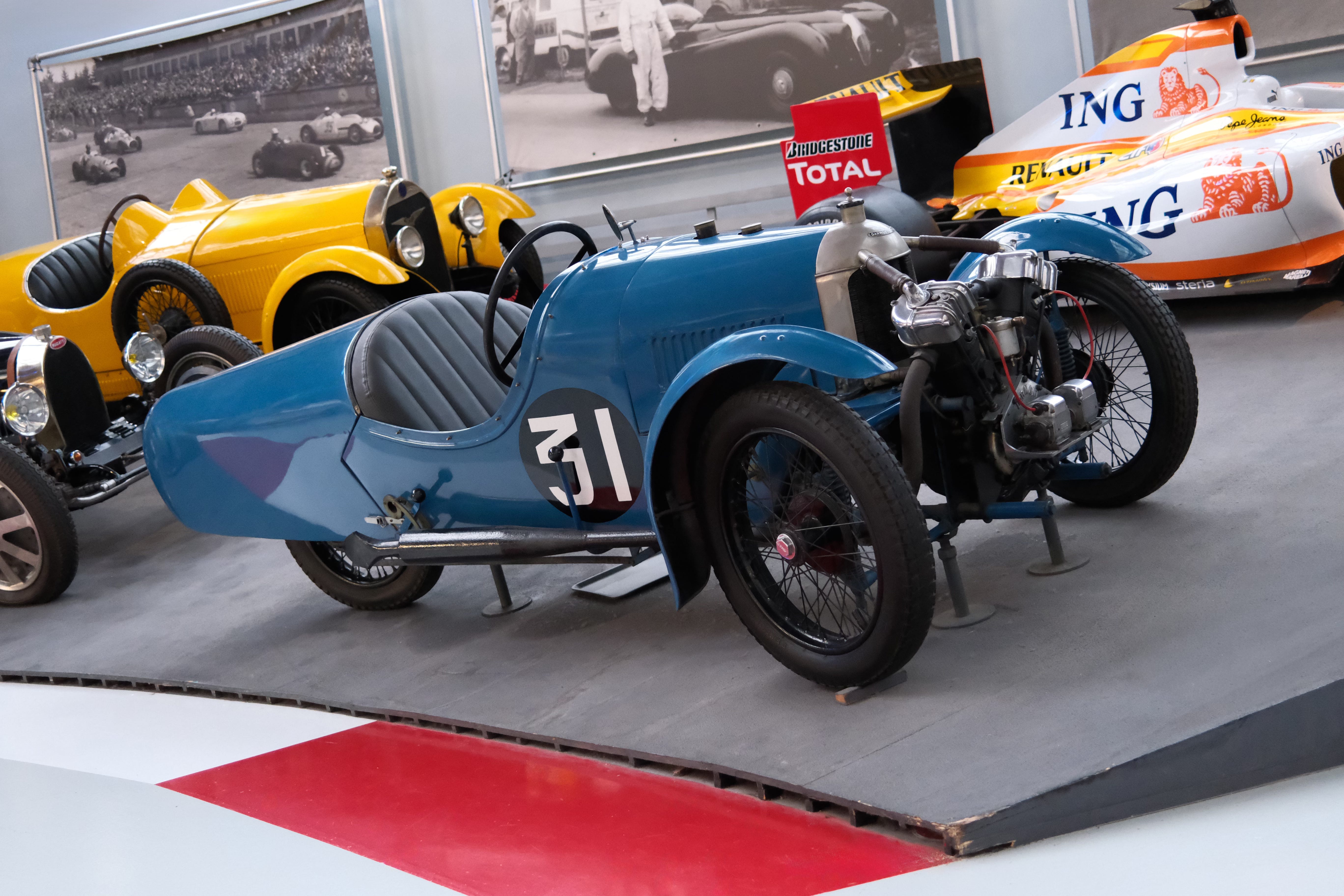
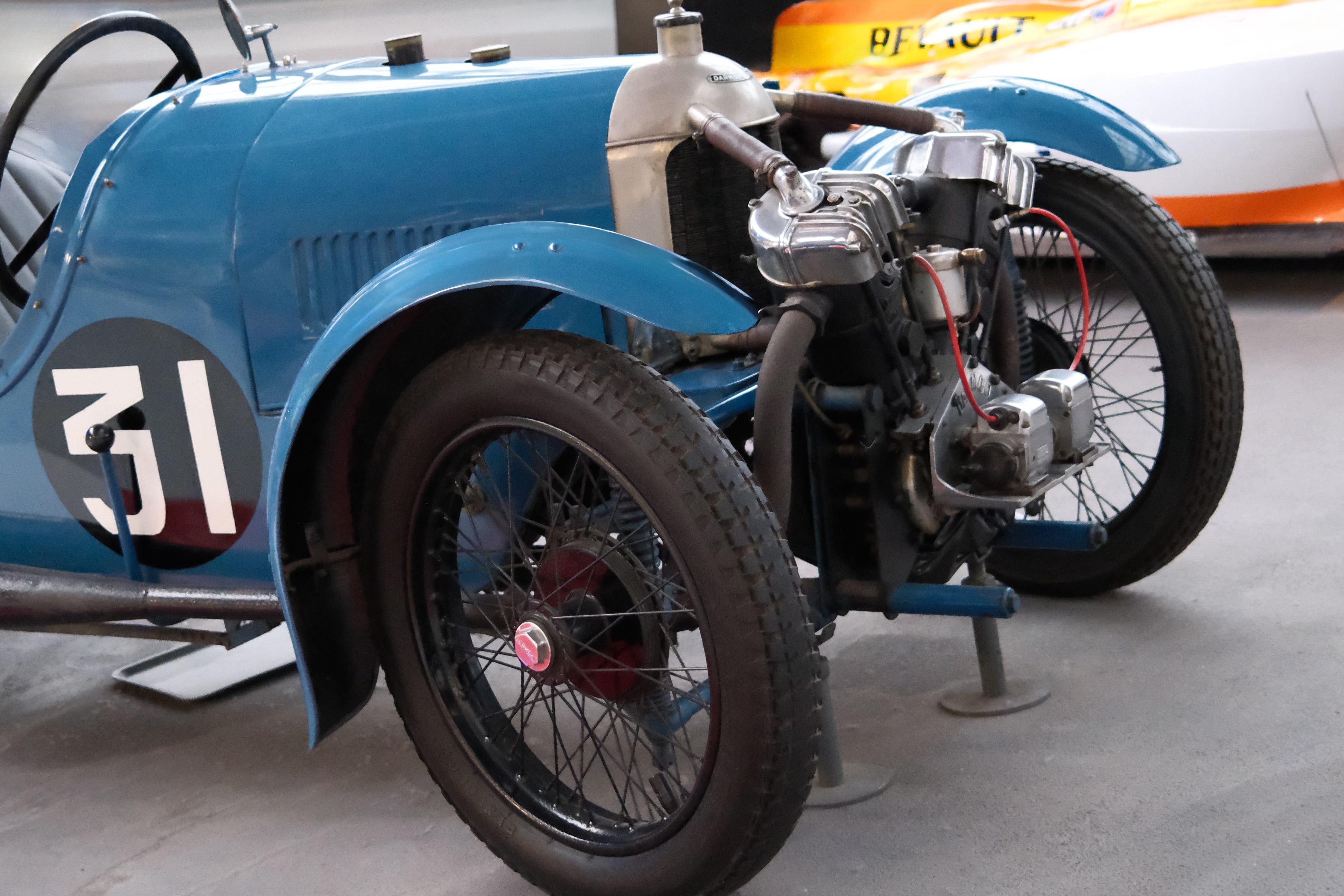
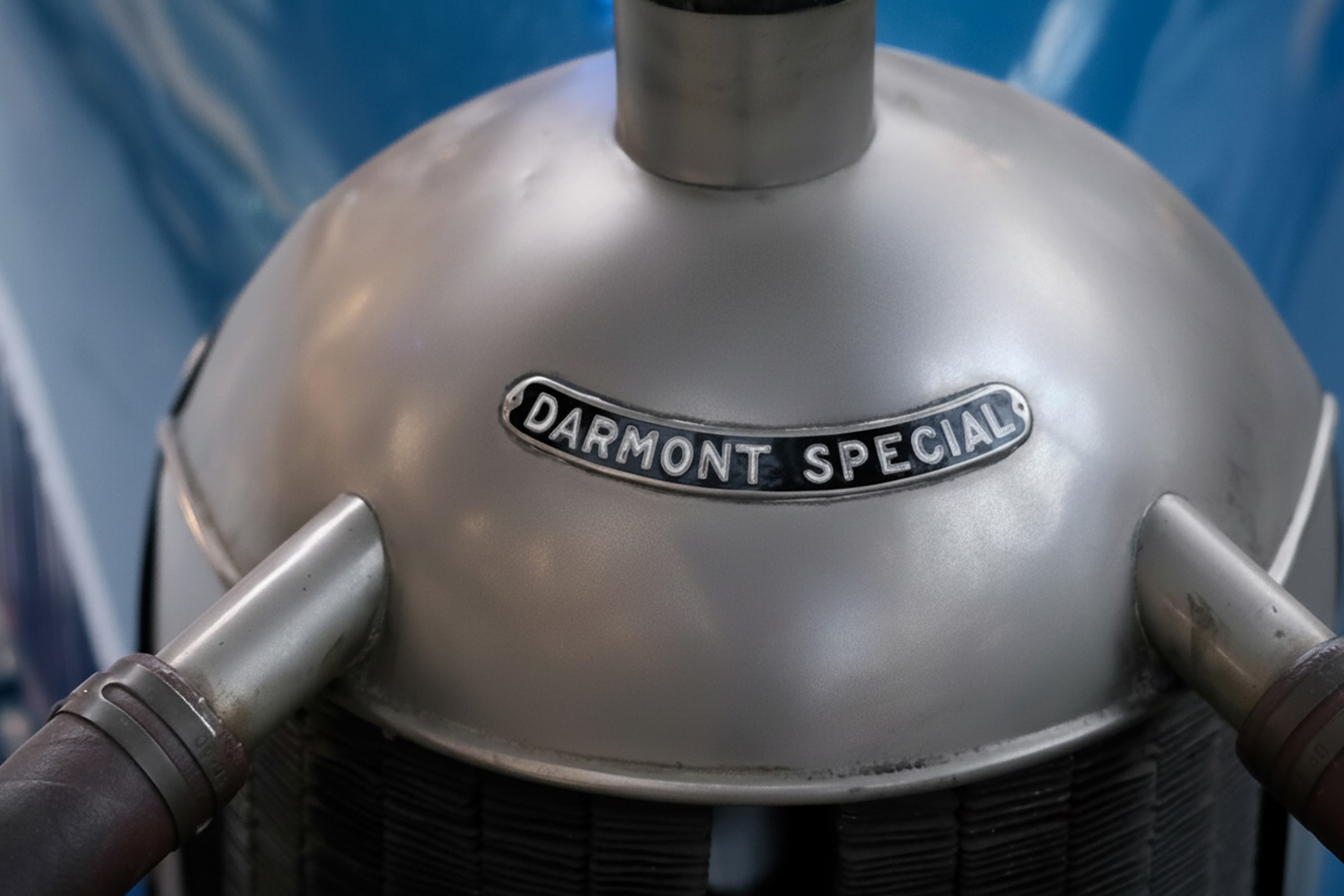
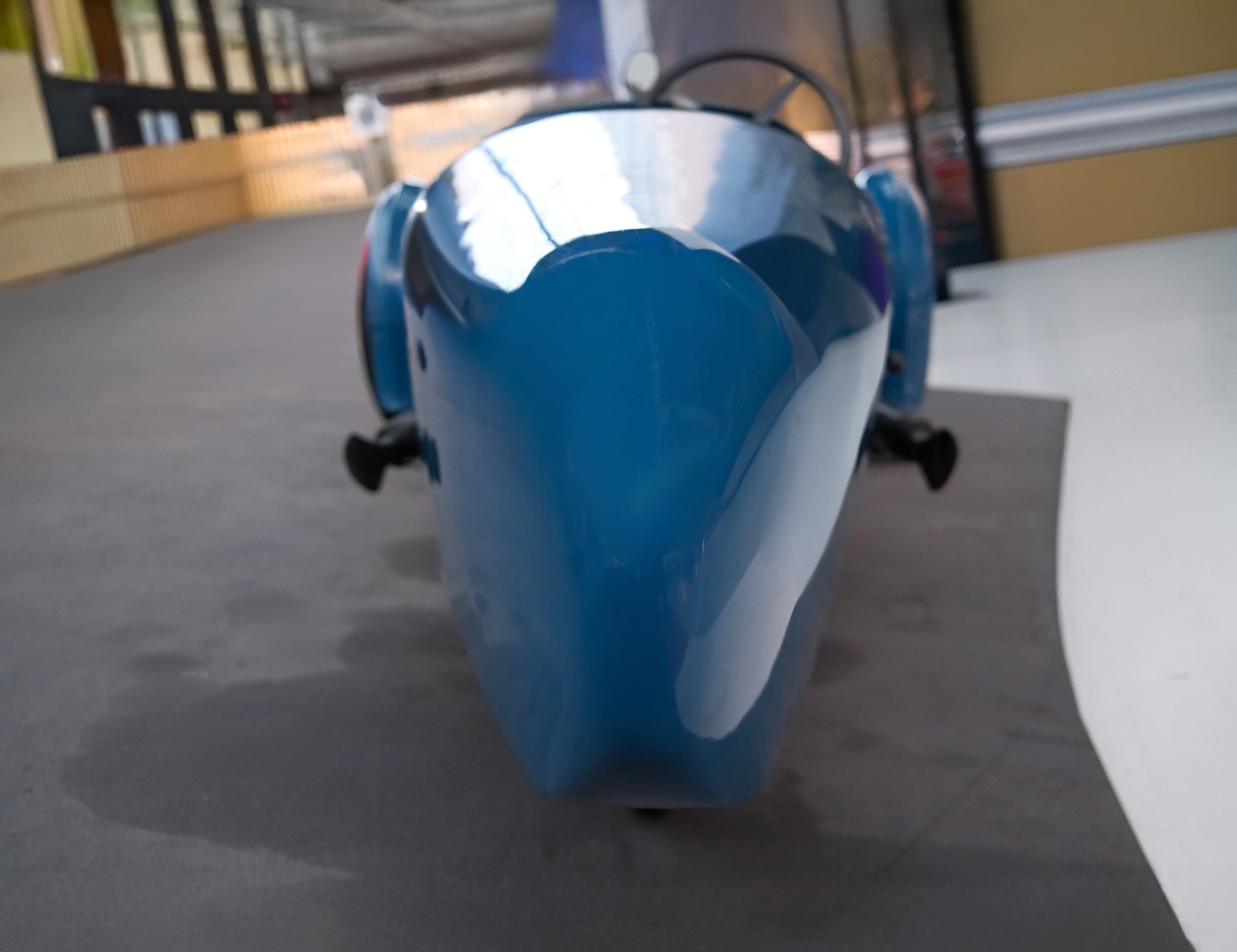
1927 Darmont DS Spécial.
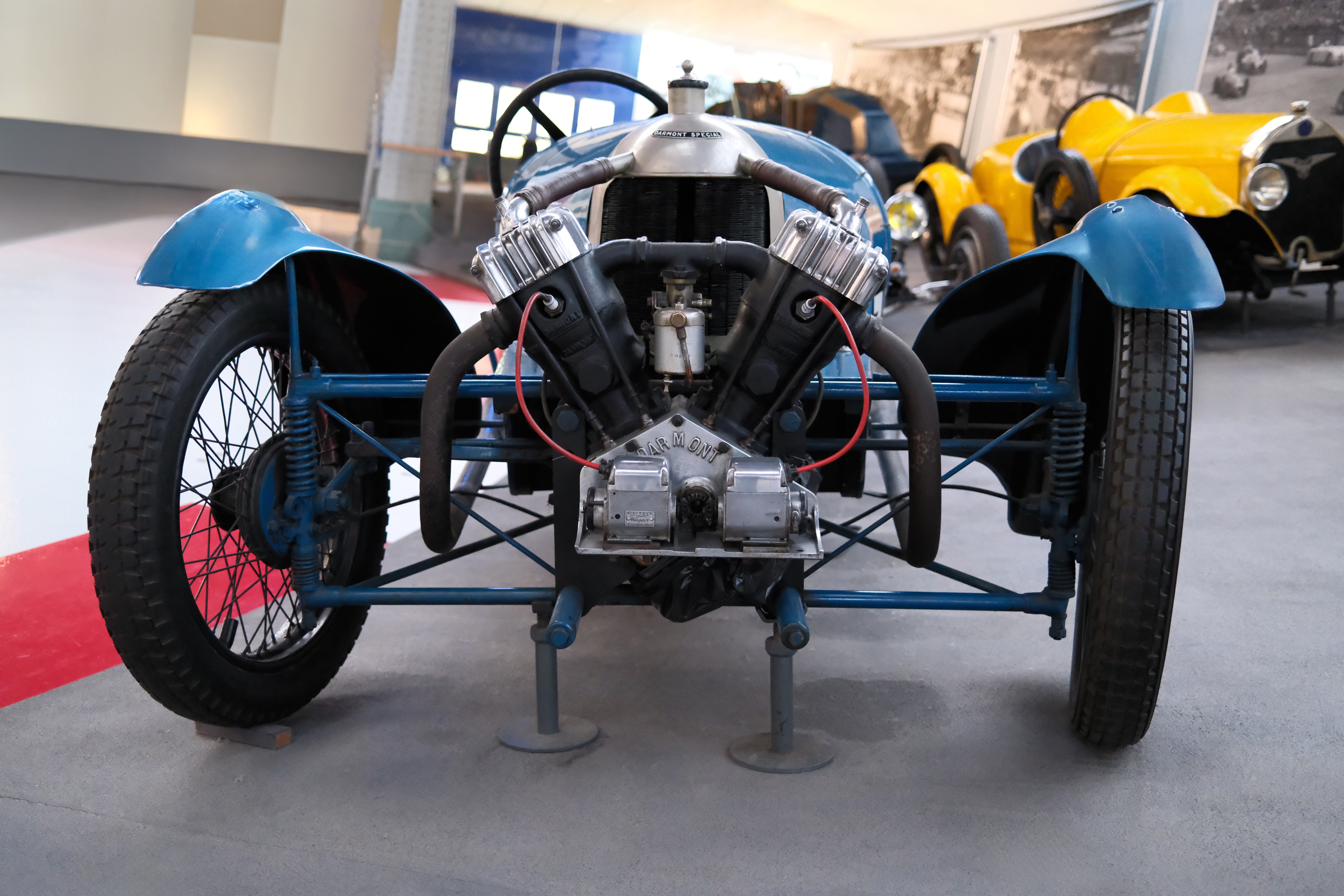
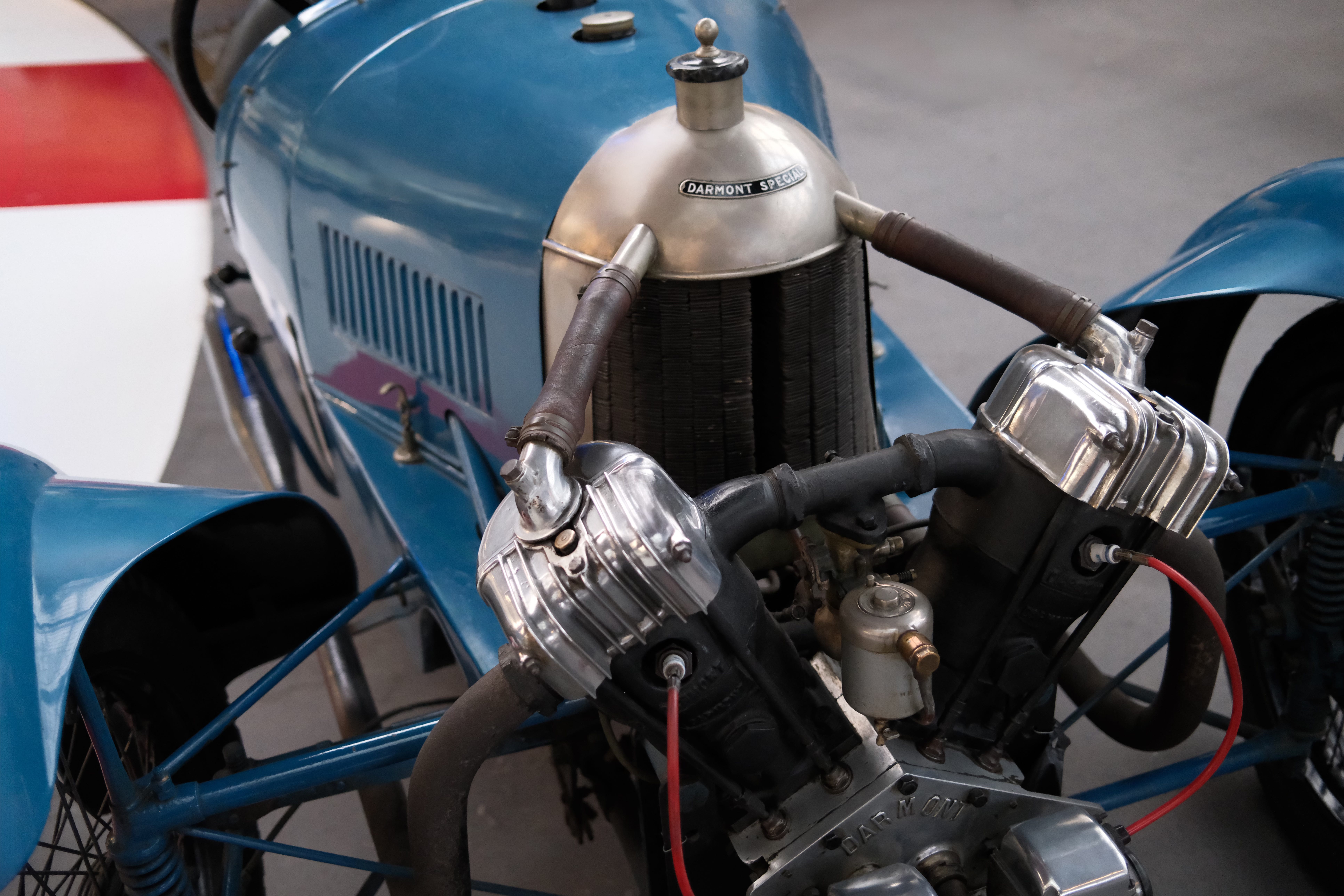
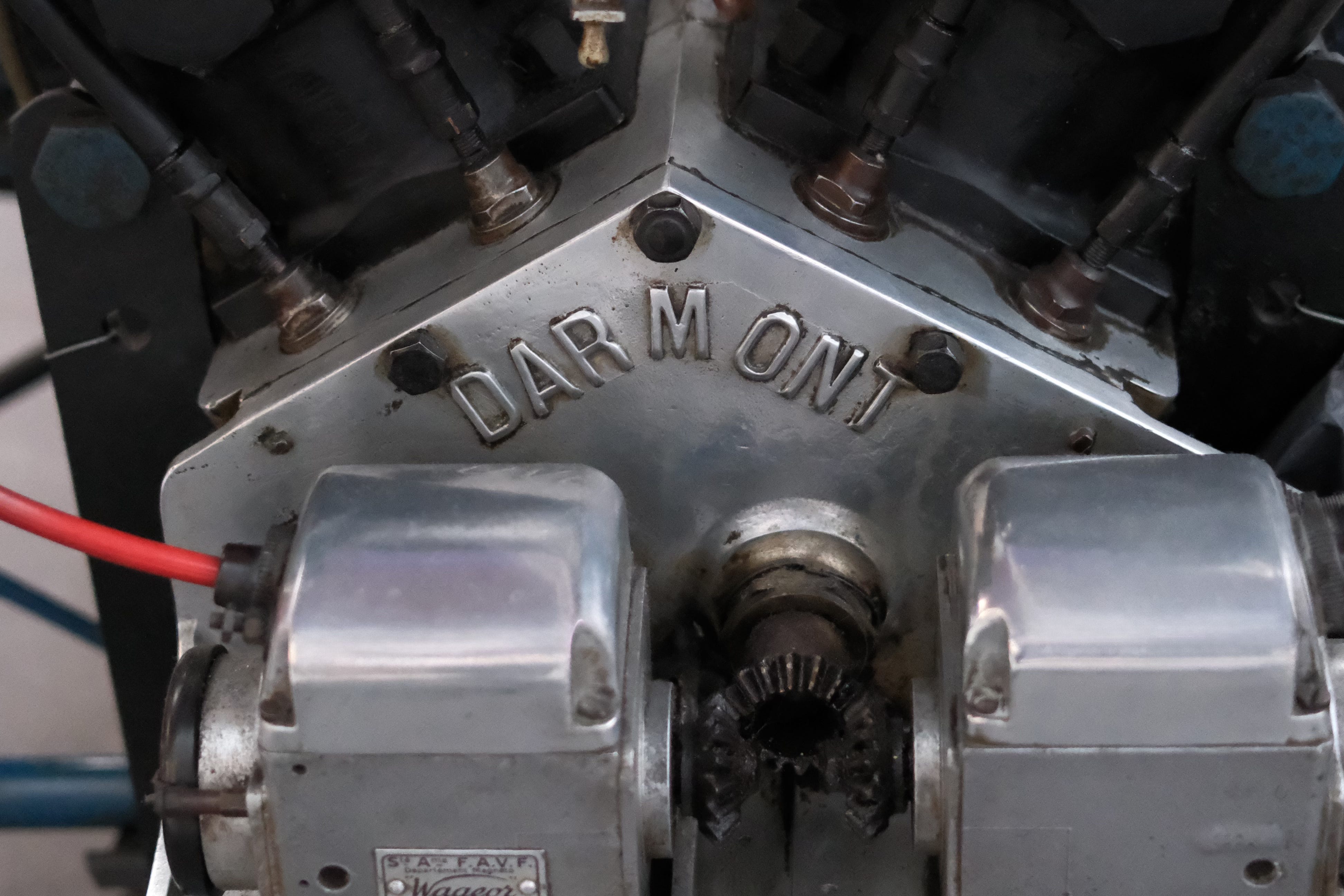
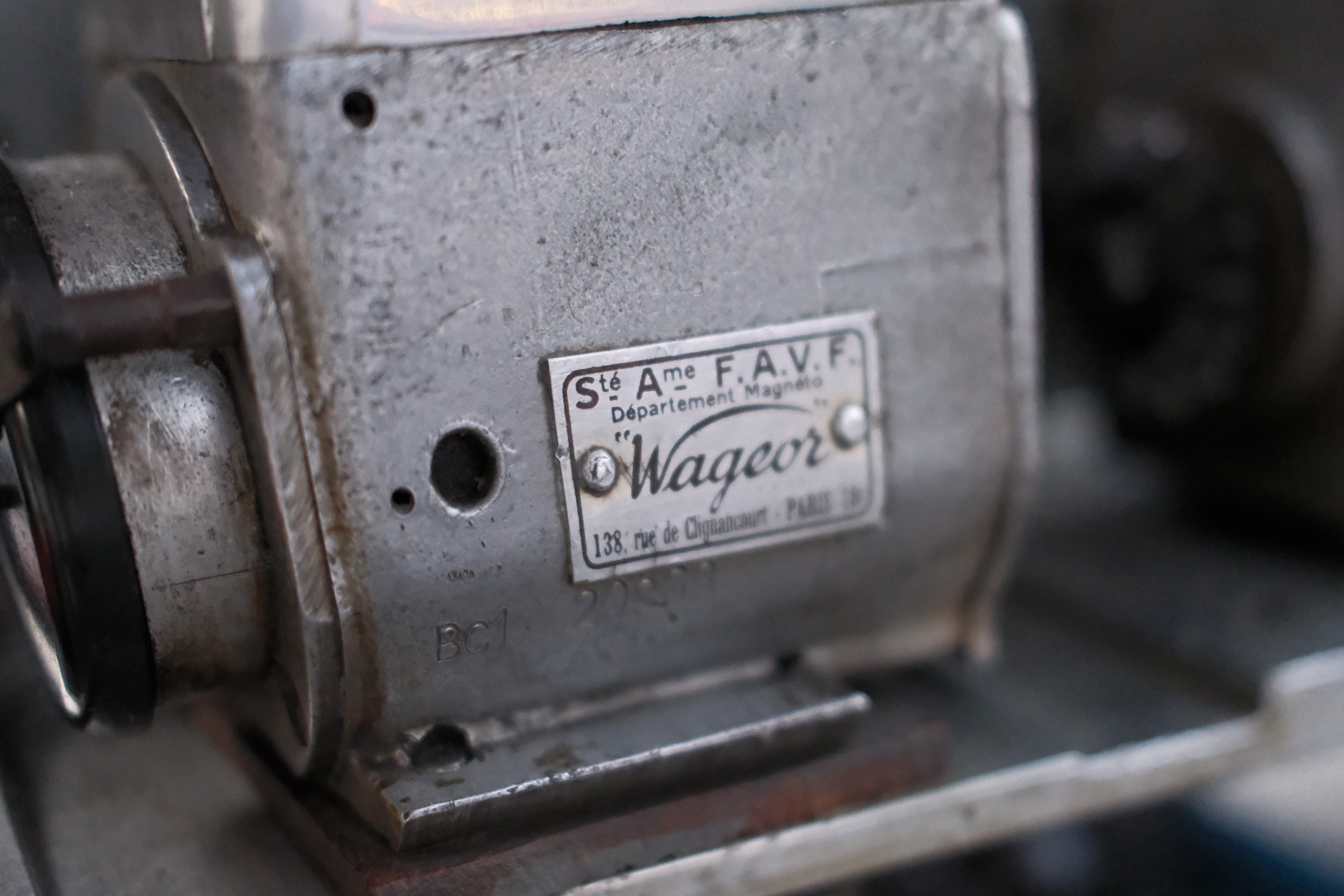
The Darmont DS Special represents one of the company’s sportier evolutions of the Morgan concept. While Morgan in the same period typically used air-cooled JAP or Matchless V-twins, Darmont sought better performance and smoothness for their “Special” models.
This engine choice gave the Darmont DS Special a distinct identity and performance edge, reinforcing Darmont’s reputation for sporty refinements rather than simple licensed copies.
As with many early Morgan-derived three-wheelers, the DS Special had no reverse gear. Drivers relied on physically maneuvering the car backward—perfectly normal for ultra-light cyclecars of the period. The example below is at Autoworld in Brussels, Belgium.