Ceirano is one of the most important—and often underestimated—names in the origins of the Italian automobile industry. Its story is inseparable from the birth of FIAT and from early Turin car culture.
The story begins with Giovanni Battista Ceirano, a watchmaker from Cuneo who moved to Turin. Like many early automotive pioneers, Ceirano came from precision crafts rather than heavy industry.
Ceirano founded Ceirano GB & C. in 1898 and built a small car called the Welleyes, designed with help from engineer Aristide Faccioli. The Welleyes was advanced, light, and reliable—exactly what Italy needed at the time.
The Crucial Turning Point: Birth of FIAT (1899)
Ceirano lacked the capital to industrialize production. In 1899, he sold the Welleyes design, the factory and the patents to a group of investors led by Giovanni Agnelli.
This transaction directly led to the founding of FIAT (Fabbrica Italiana Automobili Torino).
FIAT’s first car, the Fiat 3½ HP, was essentially a refined Welleyes. Without Ceirano, FIAT would likely not exist in its original form.
The Ceirano Brothers & Multiple Marques (1900–1920s)
After leaving FIAT, Giovanni Battista and his brothers (Matteo, Ernesto, and Giovanni) continued independently, creating a constellation of influential marques:
Major Ceirano-linked brands:
Fratelli Ceirano (1901)
STAR (Società Torinese Automobili Rapid)
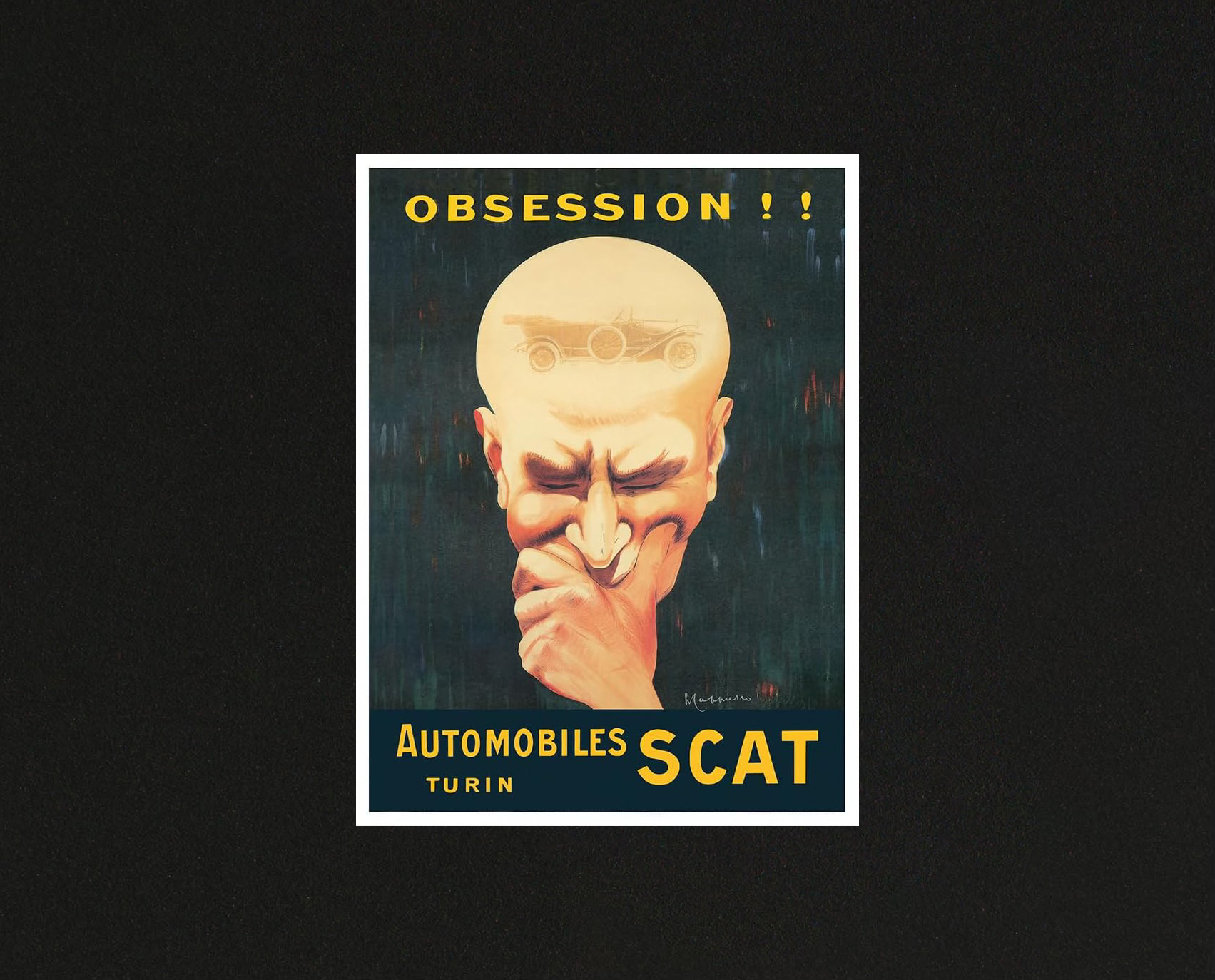
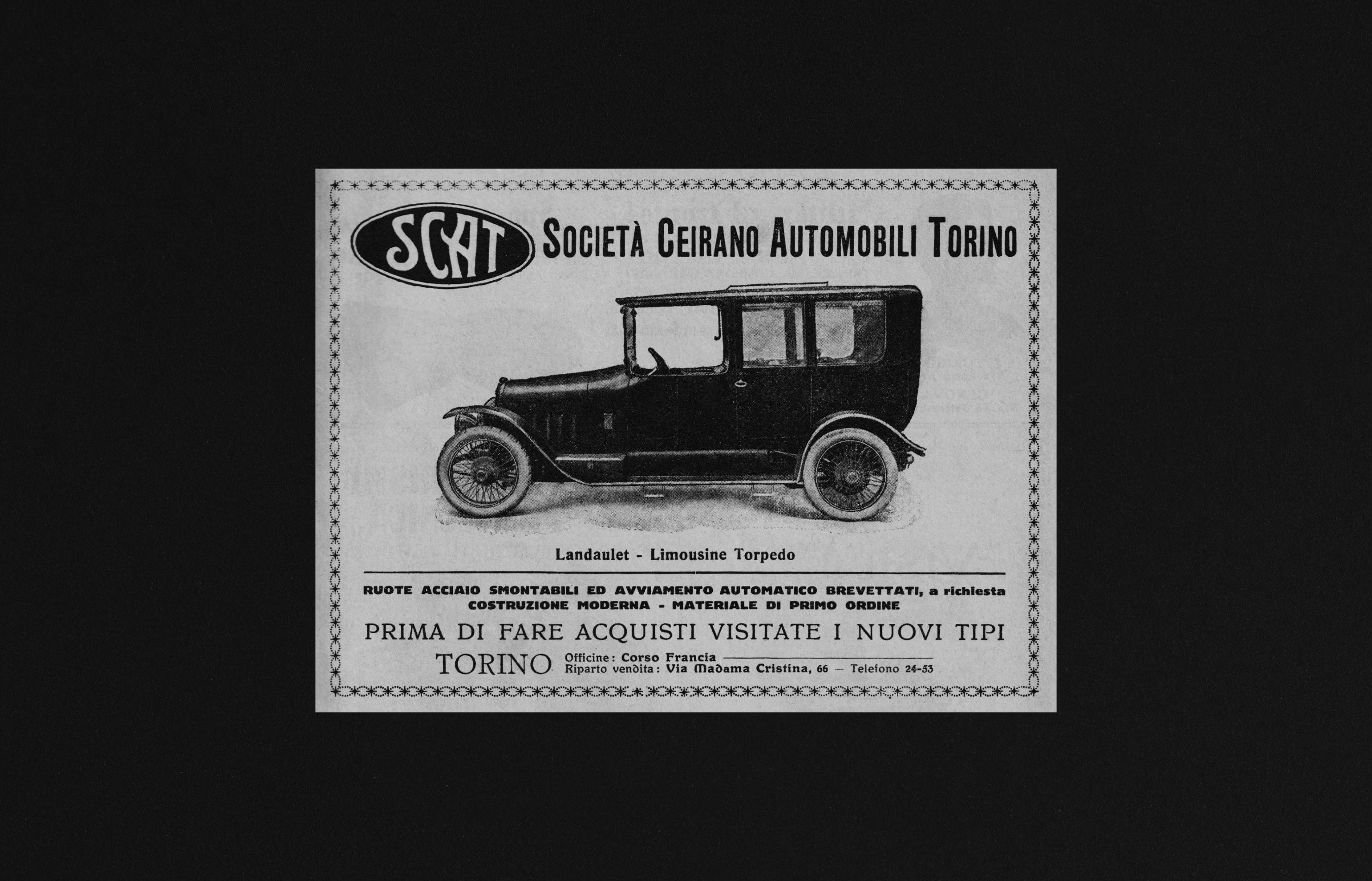
SCAT (Società Ceirano Automobili Torino)
Itala
SPA
Many became technically innovative and internationally successful, particularly Itala and SPA.
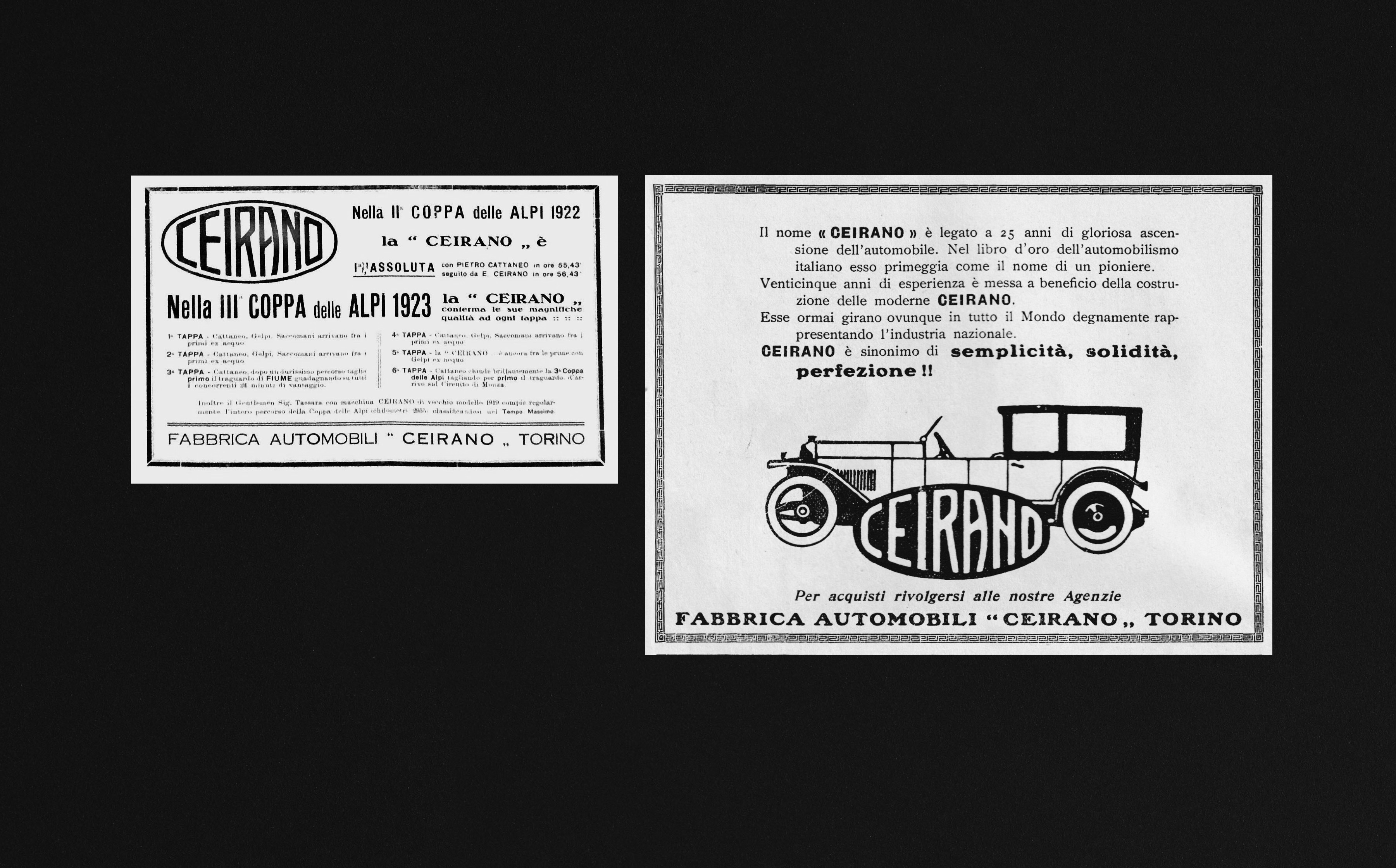
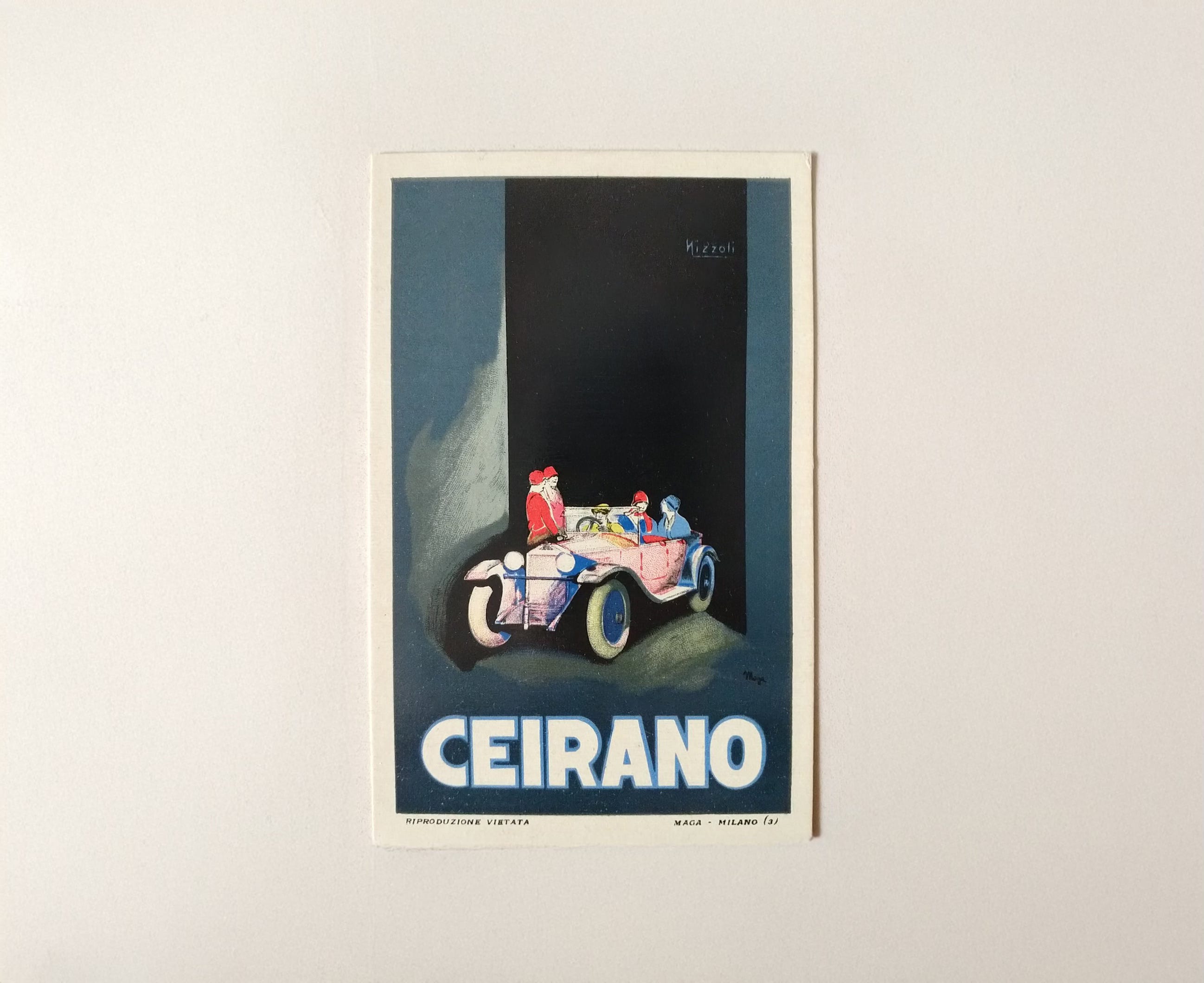
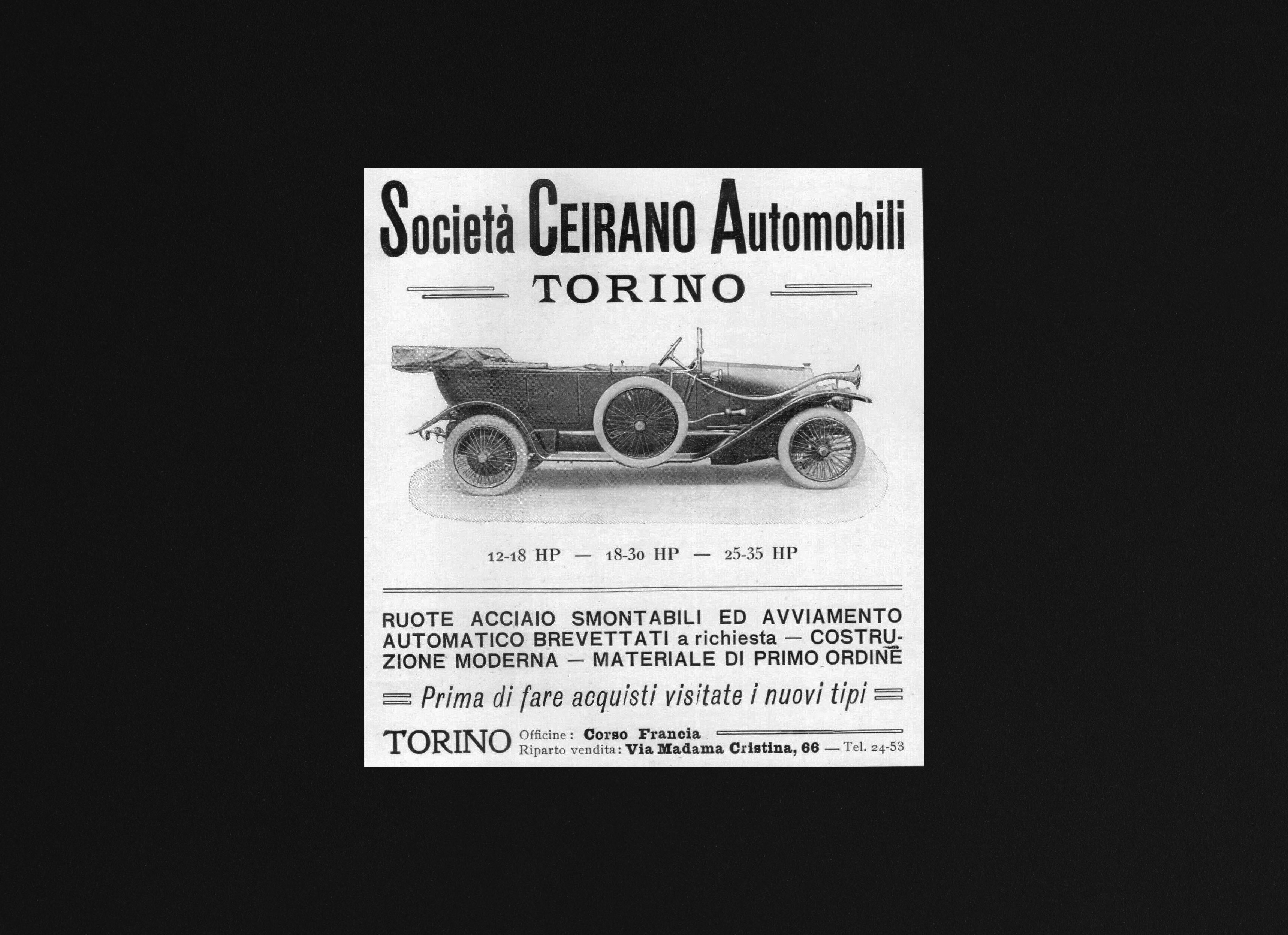
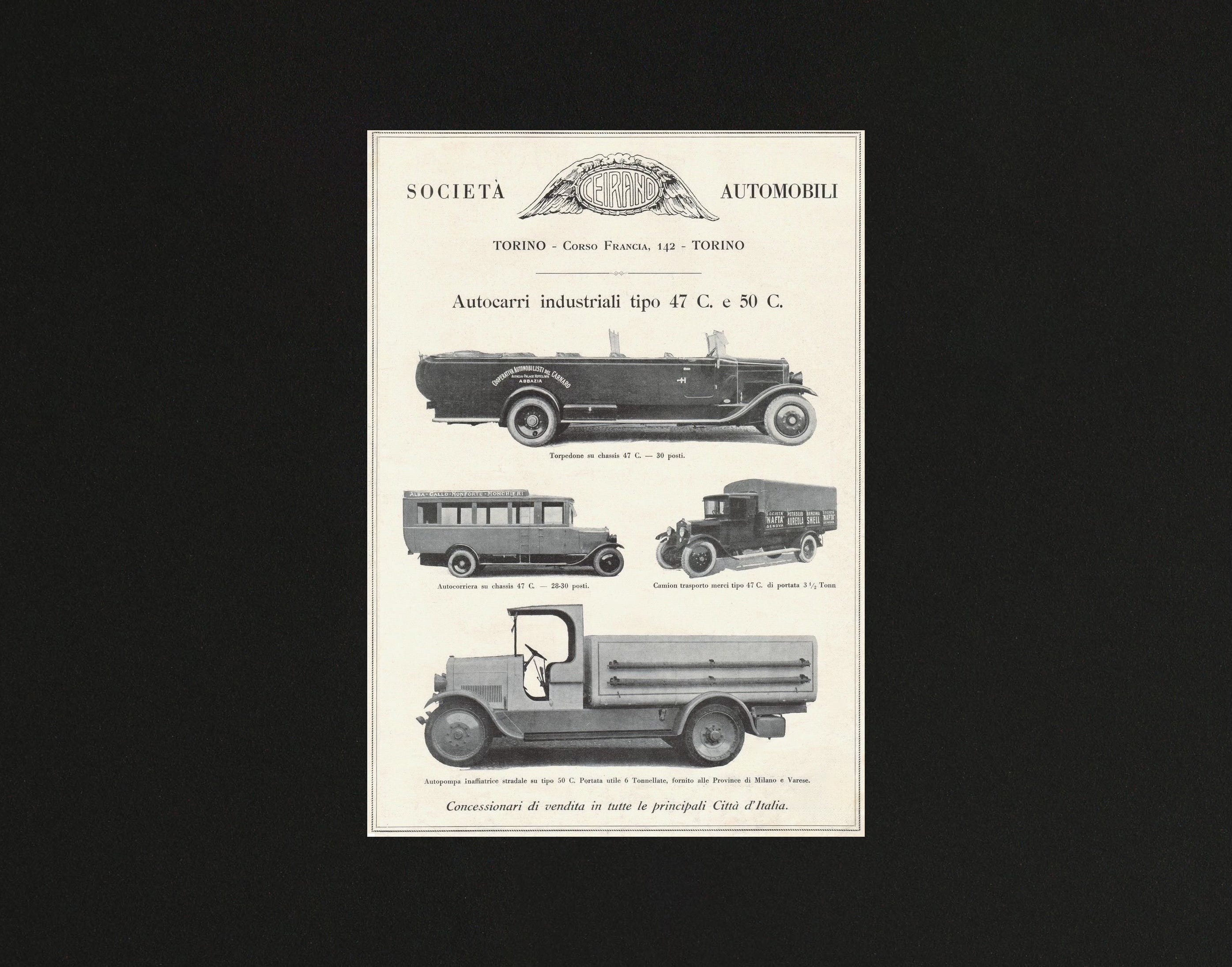
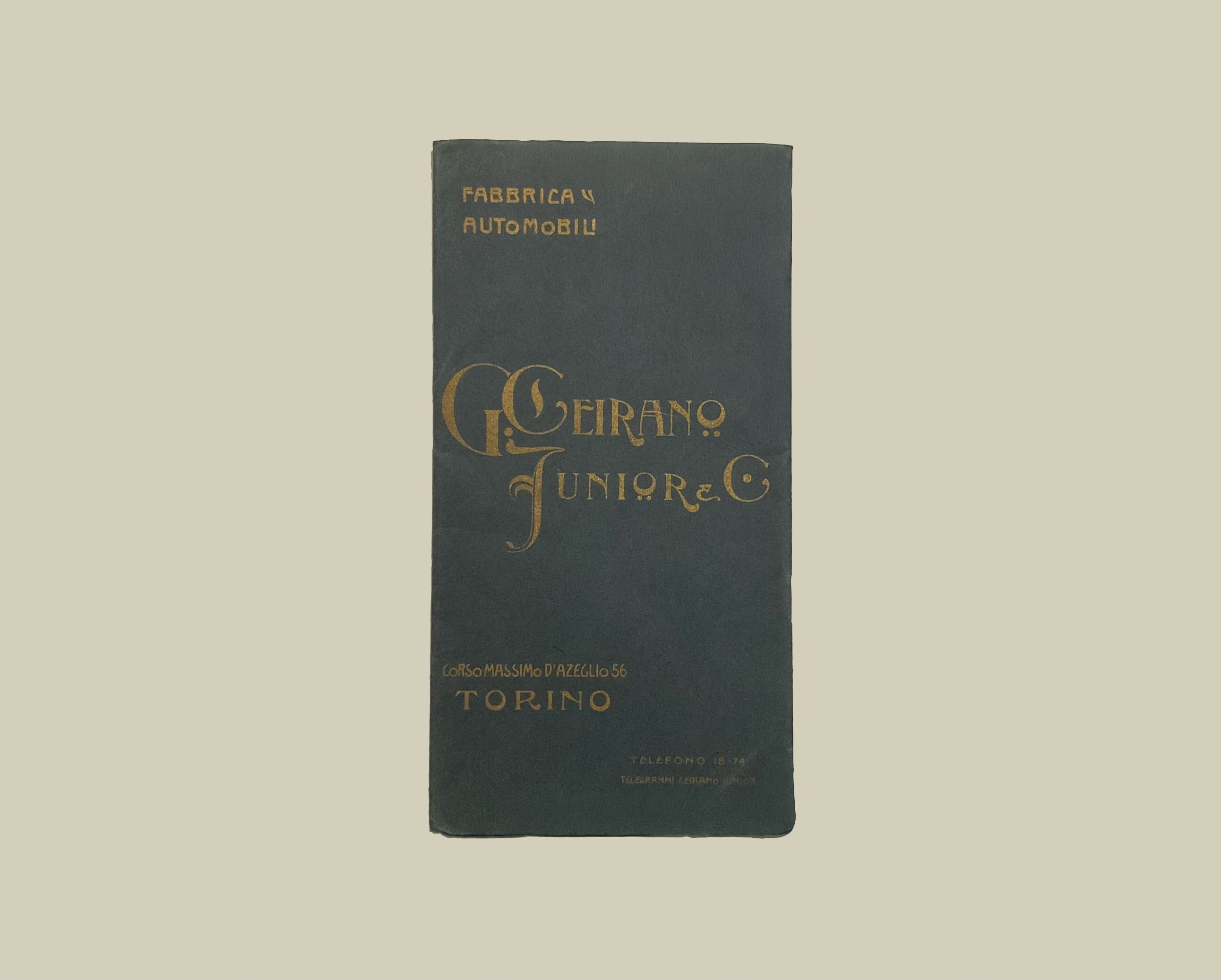
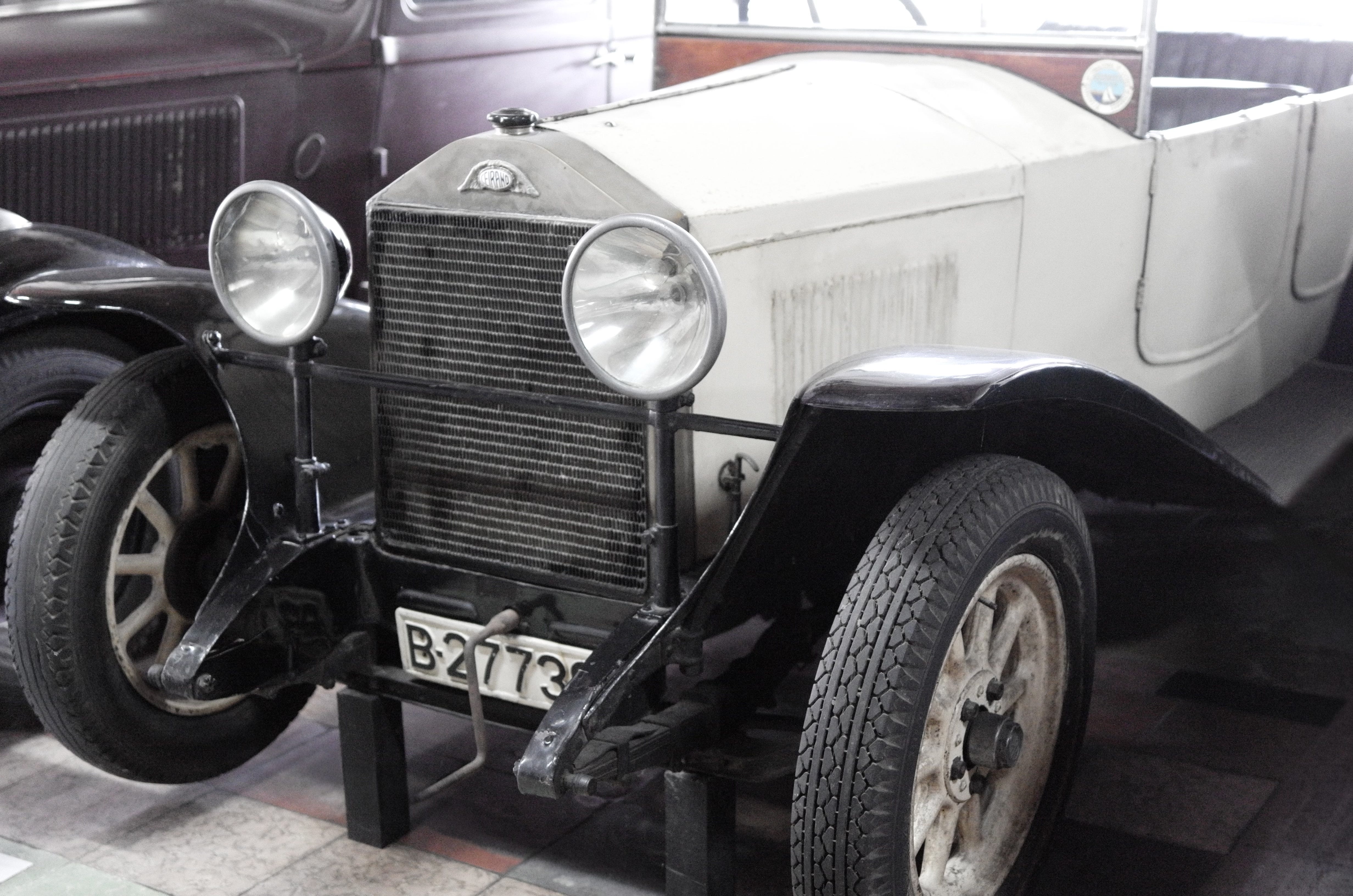
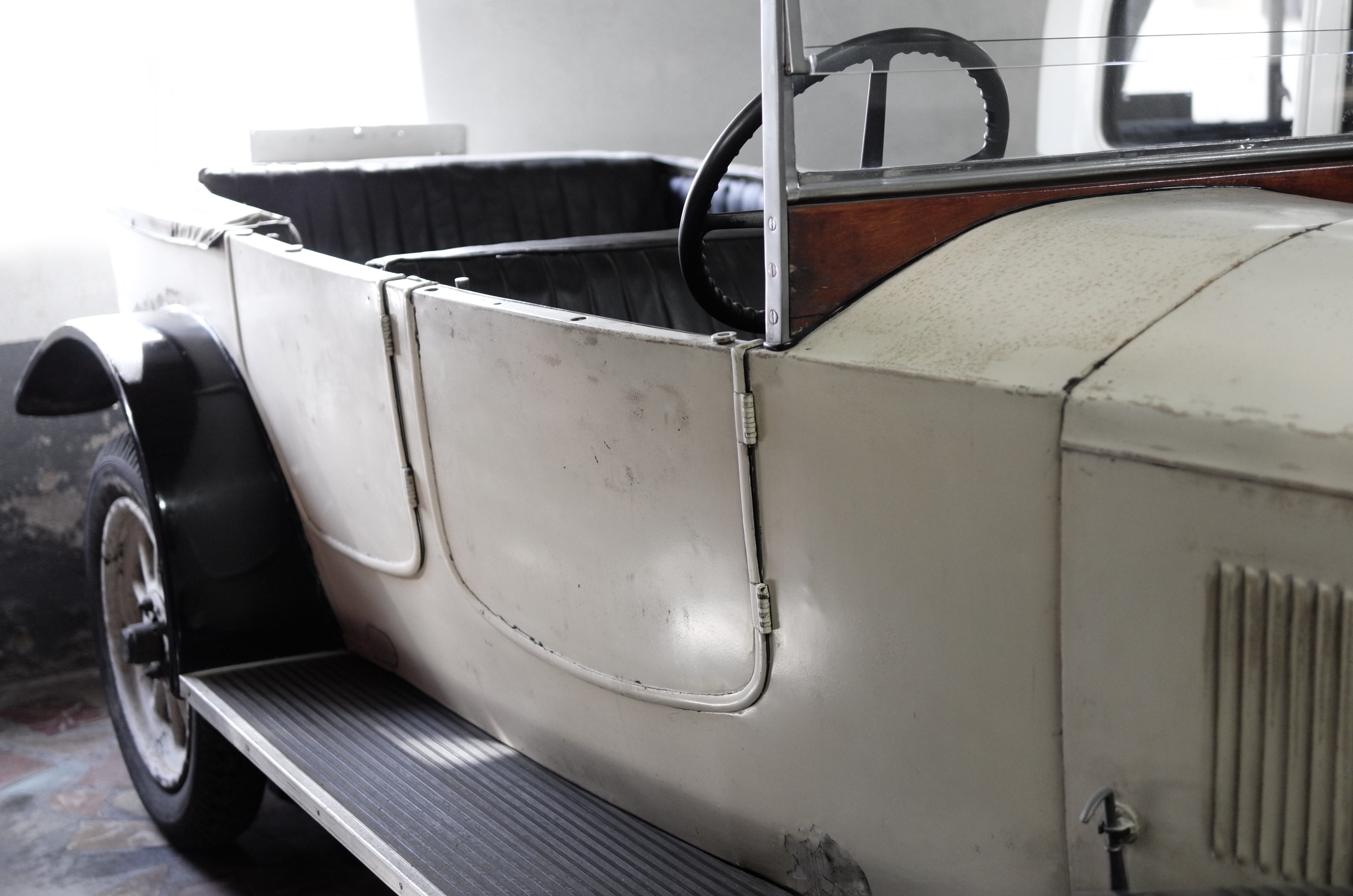
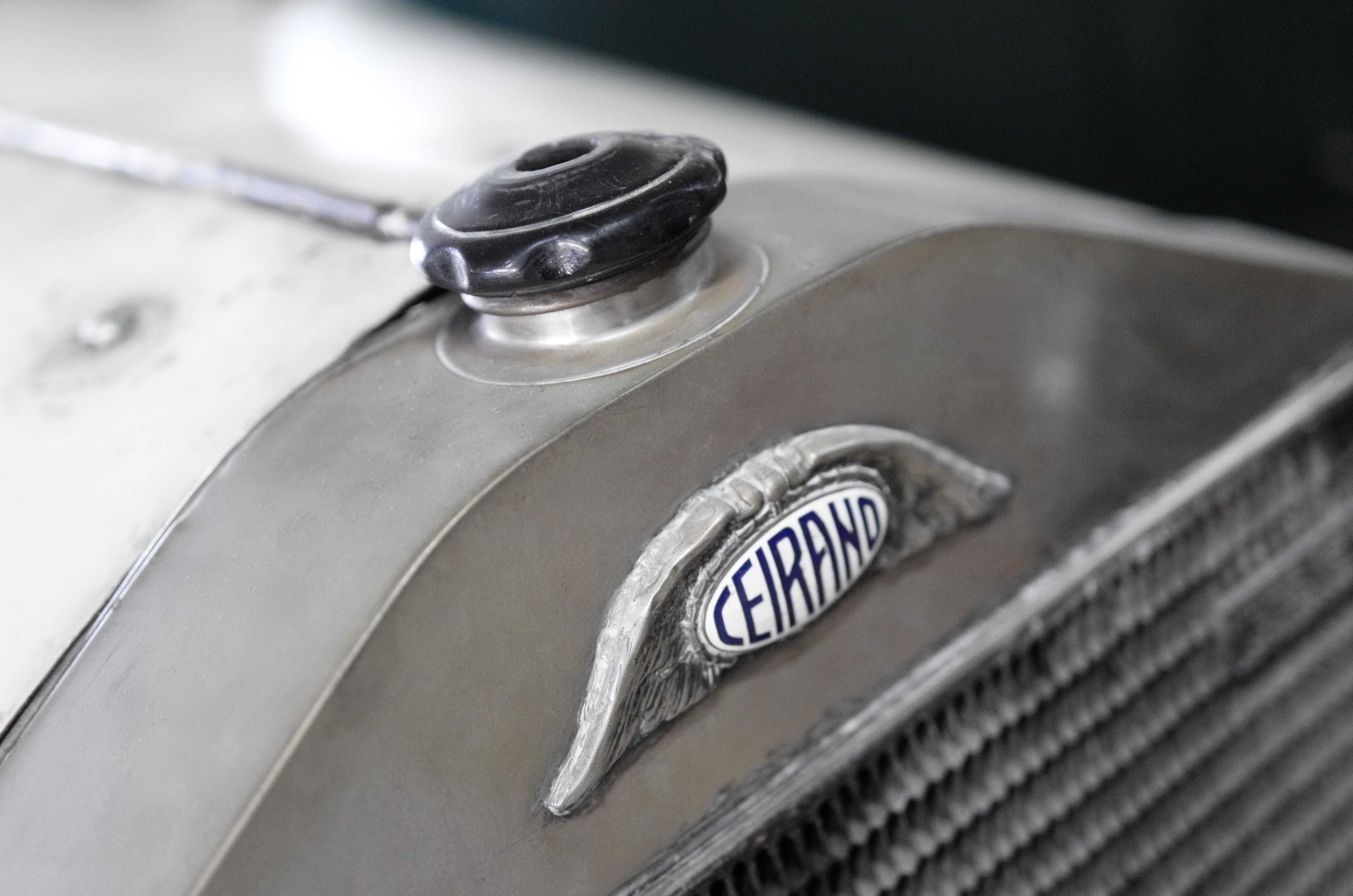
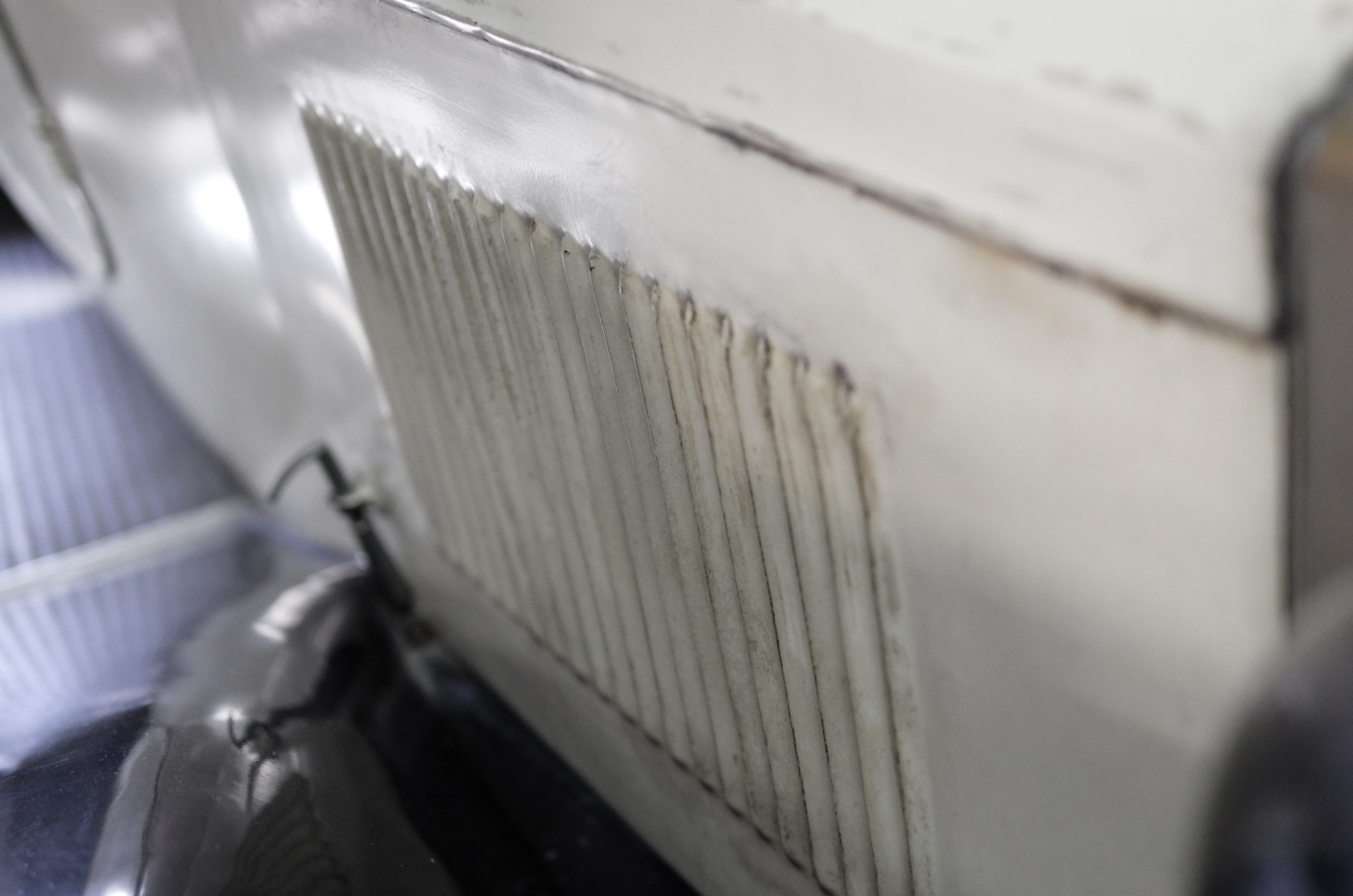
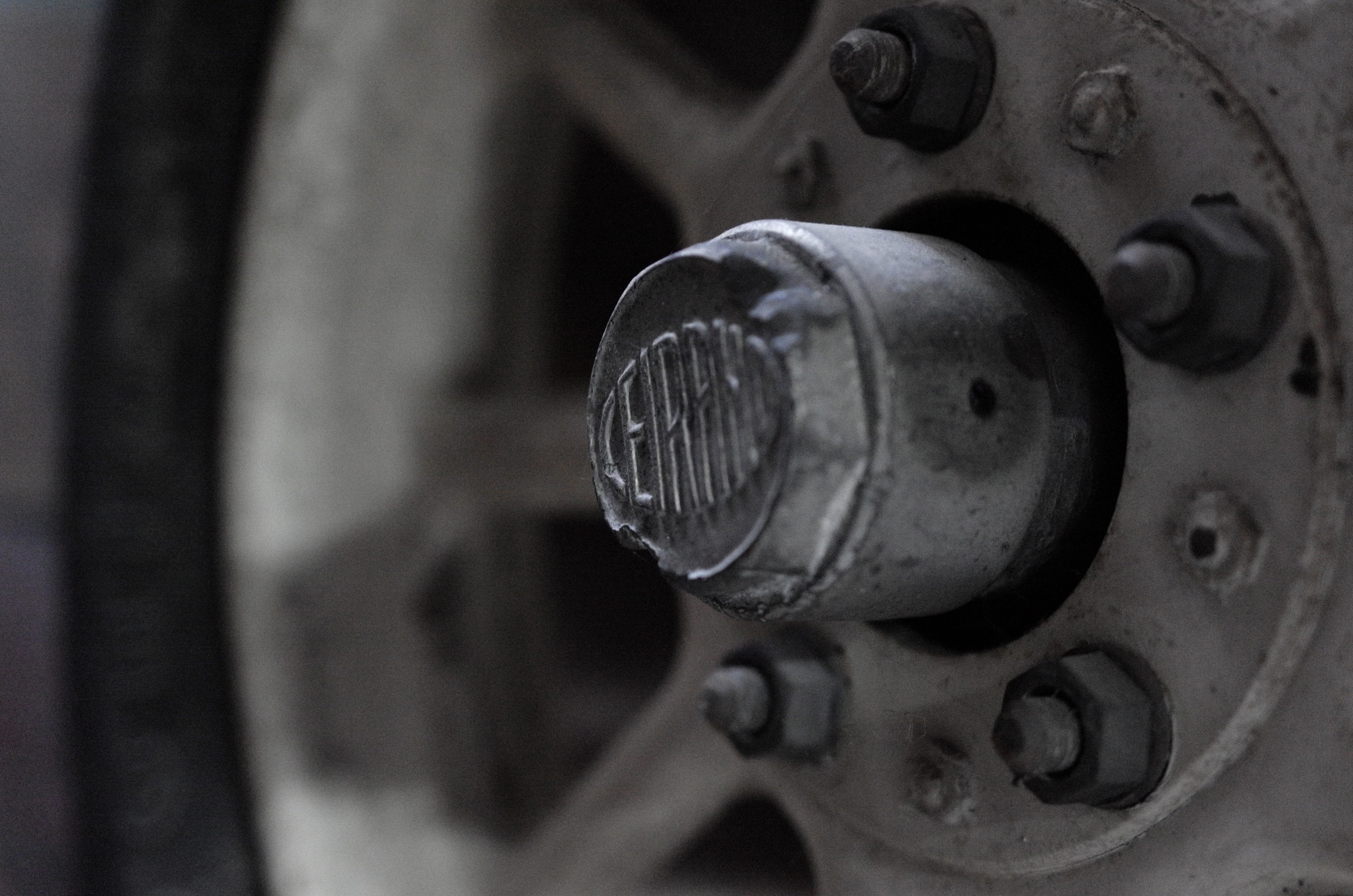
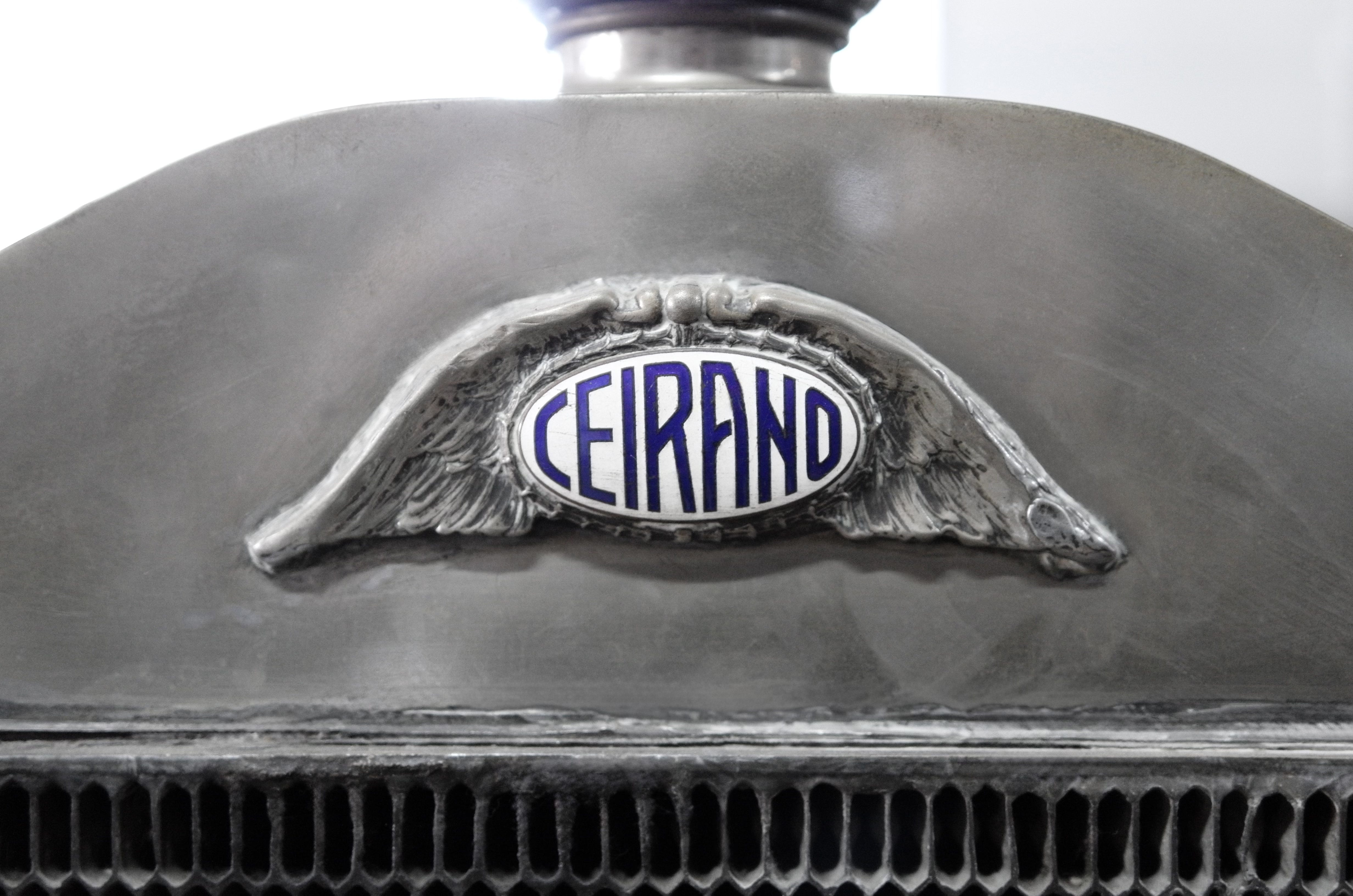
Ceirano N 150.
The N 150 model (currently at Col·lecció d’Automòbils Salvador Claret in Sils, Girona) was the second of its production. It has a 1500 c.c. engine. and four cylinders; however, what characterized him most was that he looked like an exact, small copy of the Lancia Lamba.