


The Forgotten Belgian Pioneer: Automobiles Germain.
At the turn of the 20th century, Belgium was quietly home to one of Europe’s most inventive automotive scenes. Among the early pioneers was Automobiles Germain, a company born not from bicycle makers or carriage builders—as was common then—but from a heavyweight industrial engineering firm in Monceau-sur-Sambre near Charleroi.
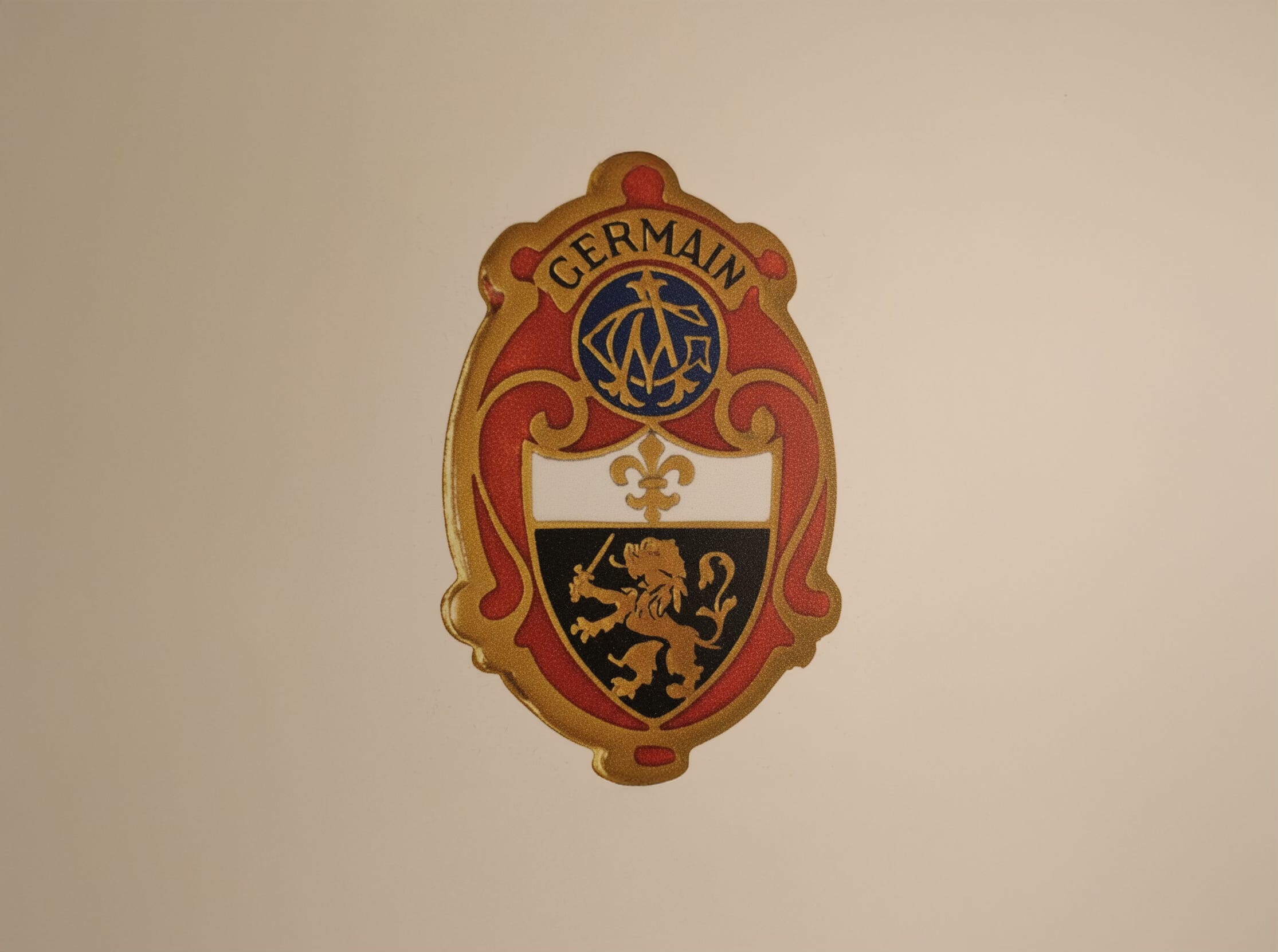
Before entering the world of cars, Germain produced machine tools, boilers, and precision mechanical equipment. This legacy shaped everything they built: their automobiles were known for being over-engineered, meticulously assembled, and remarkably durable.
Germain began experimenting with automobiles as early as 1897–1898, placing them among the first Belgian manufacturers to embrace the new technology. Their early models borrowed ideas from leading French marques like Panhard & Levassor, but Germain’s execution set them apart. These were not mass-market vehicles—they were premium, carefully crafted machines designed for wealthy motorists who valued engineering substance over flash. The company quickly gained a reputation for solid, reliable touring cars fitted with twin- and four-cylinder engines, chain-drive transmissions, and coachwork that reflected both Belgian craftsmanship and Germain’s industrial precision.
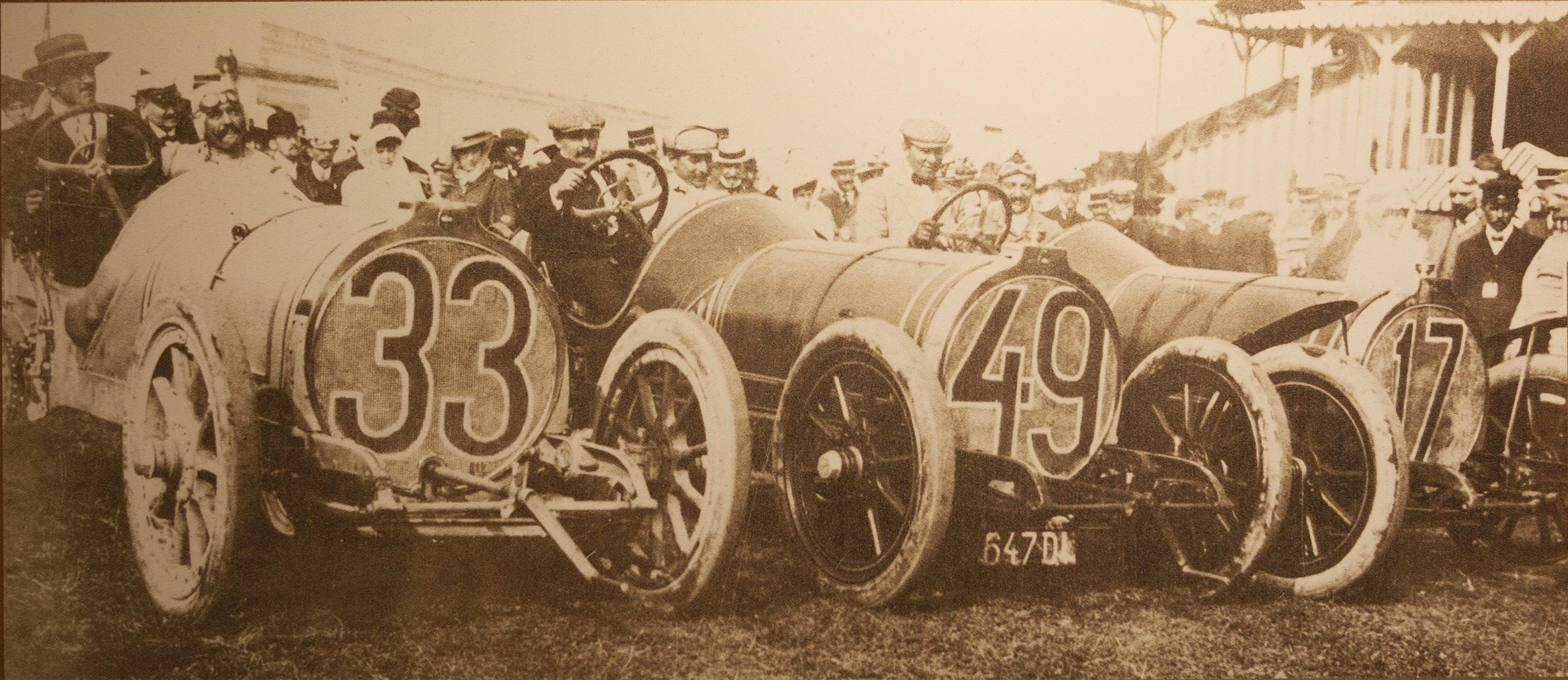
The company’s most public moment came during the thrilling era of European road racing. Between 1903 and 1907, Germain fielded teams in major competitions, especially the famous Circuit des Ardennes in Belgium. Their long-bonnet racing cars, with oversized numbers strapped to the radiator, lined up alongside giants such as Panhard, Mercedes, and Fiat. While Germain never achieved headline-grabbing victories, their cars earned deep respect for toughness and consistency. Photos from the period—like a lineup of Germain racers wearing numbers 33, 49, and 17—capture the ambition of a Belgian brand determined to prove itself on the continental stage.
After the racing years, Germain shifted its focus back to luxury touring cars during the 1910s, producing elegant and dependable vehicles for a small but loyal clientele. Yet the world was changing. World War I disrupted production, and the postwar market proved difficult for niche luxury manufacturers. With cheaper imported cars flooding Belgium, Germain struggled to compete. Production dwindled through the 1920s, and by the early 1930s the company had quietly stepped away from automobile manufacturing altogether, returning to its core expertise in industrial engineering.
Today, Automobiles Germain is largely a footnote in automotive history—overshadowed by better-known Belgian names like Minerva and FN. Yet their contribution is significant. They represent the era when the automobile was still a handcrafted machine, shaped as much by engineering philosophy as by fashion. Germain’s cars remind us that innovation in the early motor age wasn’t limited to the famous capitals of France, Germany, or Italy. Sometimes, it emerged from an industrial workshop in Charleroi—built with pride, precision, and plenty of Belgian steel.
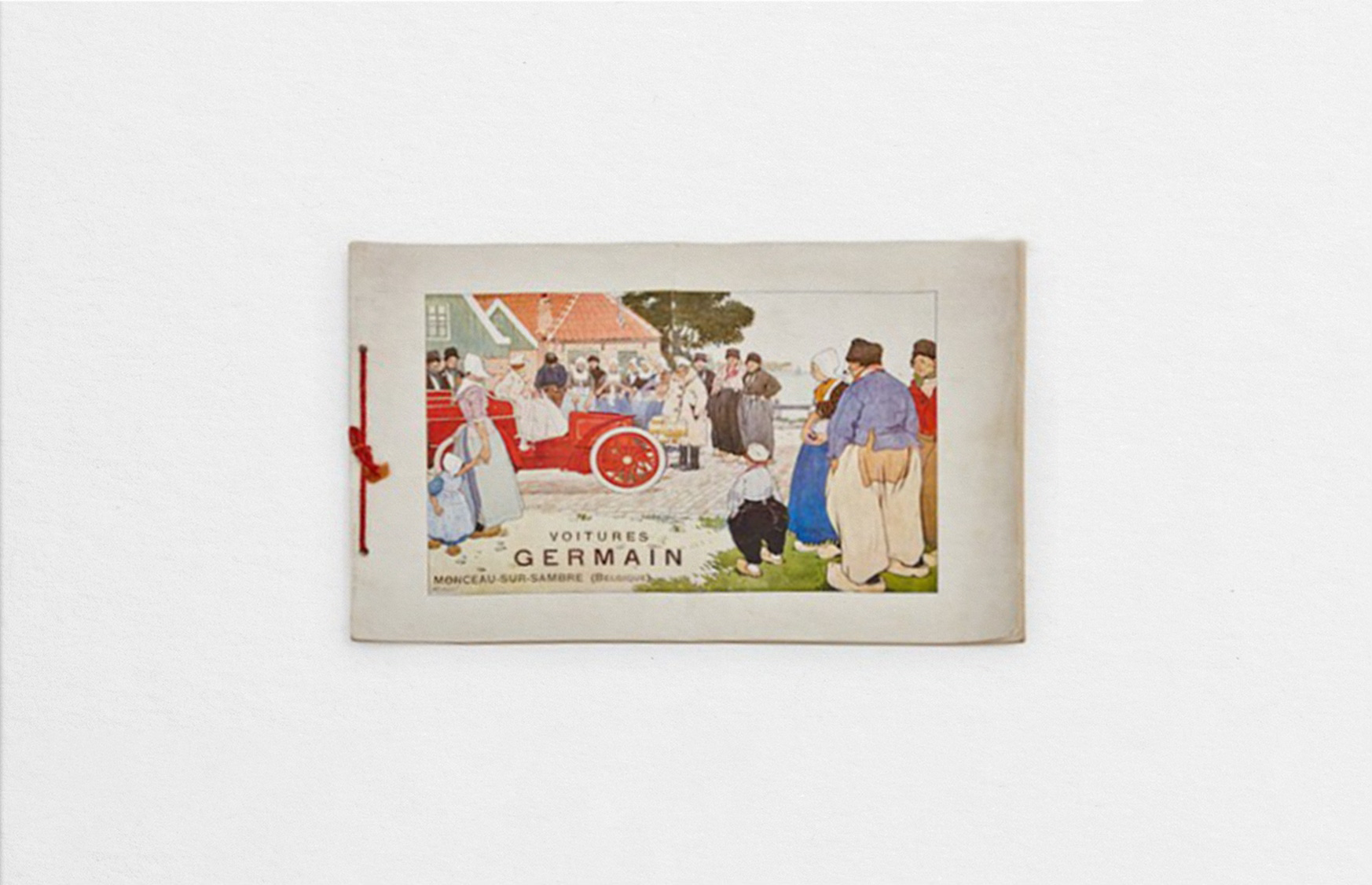
very nice it's almost like jewelry? 1890's?