


When I heard that Audi was going to drop the four rings I honestly thought it was an April fools day joke. It could not be true.
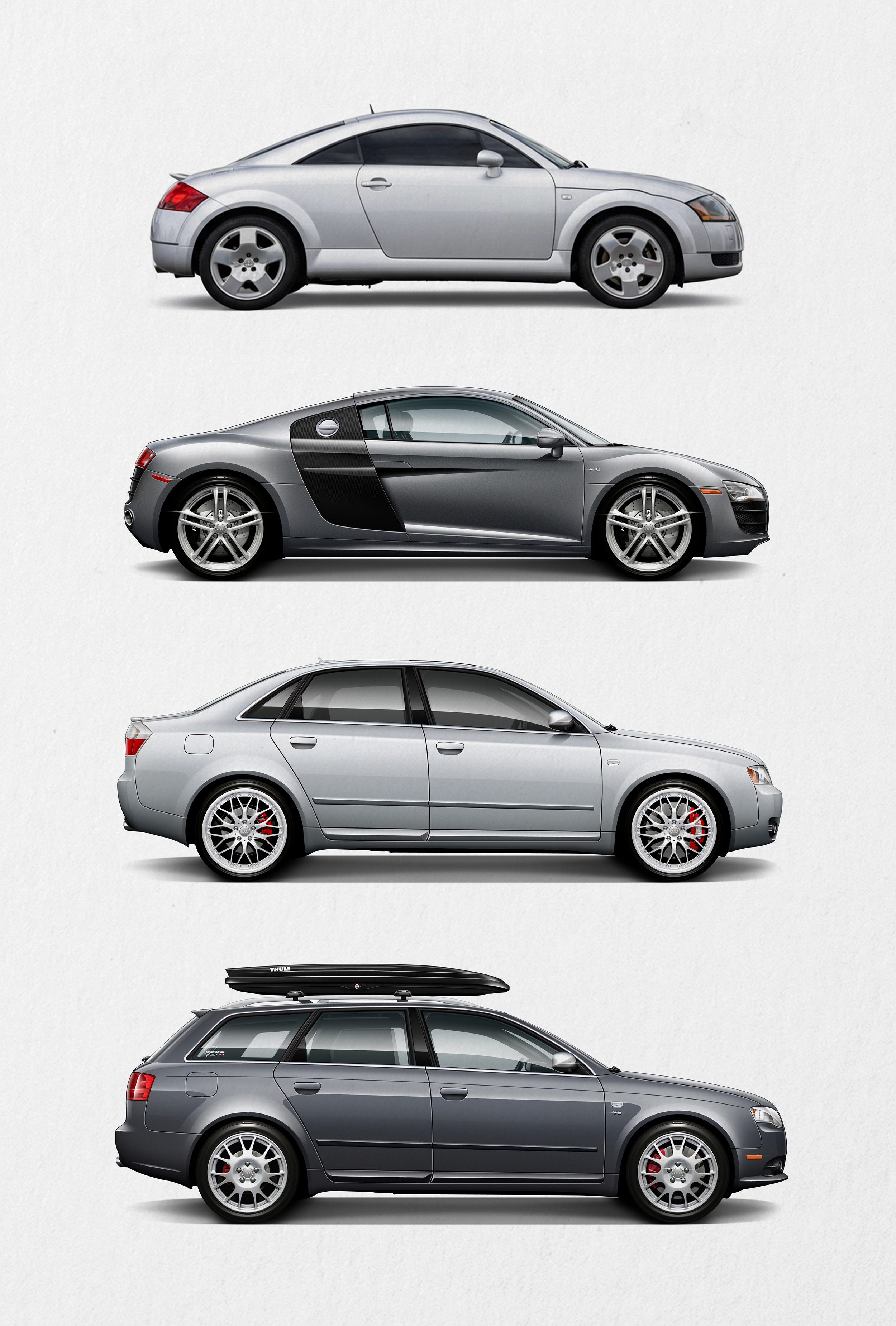
I’ve had four Audis. A 2010 R8 v10 with a gated shift and full carbon engine bay. A 2005 manual S4 B6 sedan, 2006 manual S4 B7 Avant, and a pristine 2001 225 TT manual Quattro coupe. Still have the latter. Every one of them was amazing, and I wish I still had them all. One of my biggest regrets is selling the Avant (yes, even more than the R8). I searched for it for years, and to this day I am not entirely clear why I sold it.
The brand was a trailblazer. Industry leading interiors and a trend setter in lighting design with a lineup desired by enthusiast and the general public alike that included innovations like…
1980: Pioneered modern performance AWD with Quattro
1982: First to widely mass-produce fully galvanized bodies
1989: First modern high-speed direct-injection turbodiesel (TDI)
1994: First large-scale aluminum space-frame luxury sedan (A8)
2001: Helped popularize gasoline direct injection (FSI)
2004: Popularized LED daytime running lights as a design signature
2008: First production car with full LED headlights (R8)
2013: First production matrix LED adaptive headlights
It is outlined in A Legacy Story in Five Cylinders.
Even the name of the company, how it got started and why the “four rings” became a standard for simplicity and understated elegance. It just seemed unstoppable.
So I will touch just a bit on their past…
The History of the Four Rings. A brief summary.
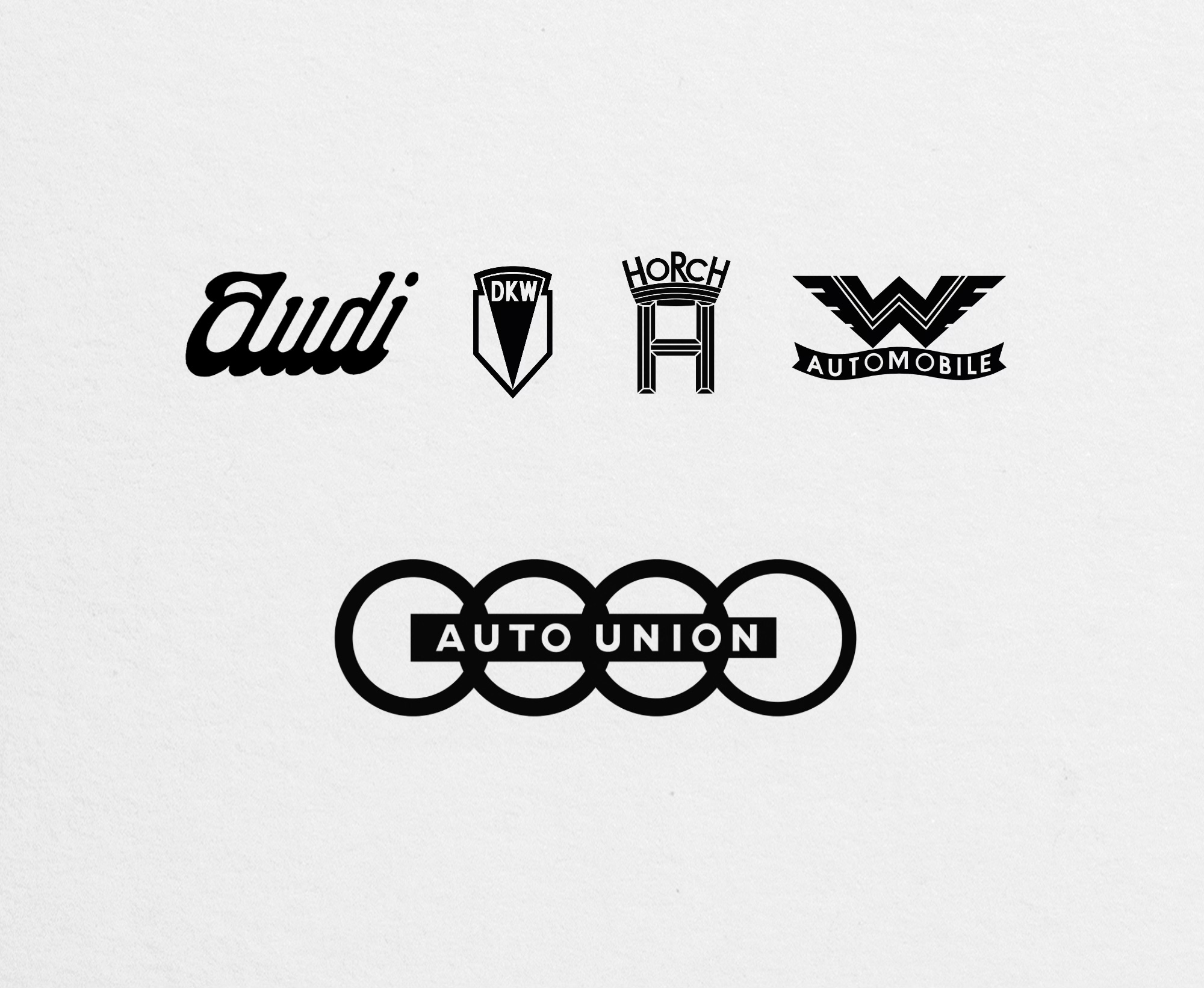
The Audi four rings emblem denotes one of Germany’s oldest automobile manufacturers. It symbolizes the merger in 1932 of four previously independent motor vehicle manufacturers: Audi, DKW, Horch and Wanderer. These companies are the foundation stones on which the present-day AUDI AG is built.
Horch.
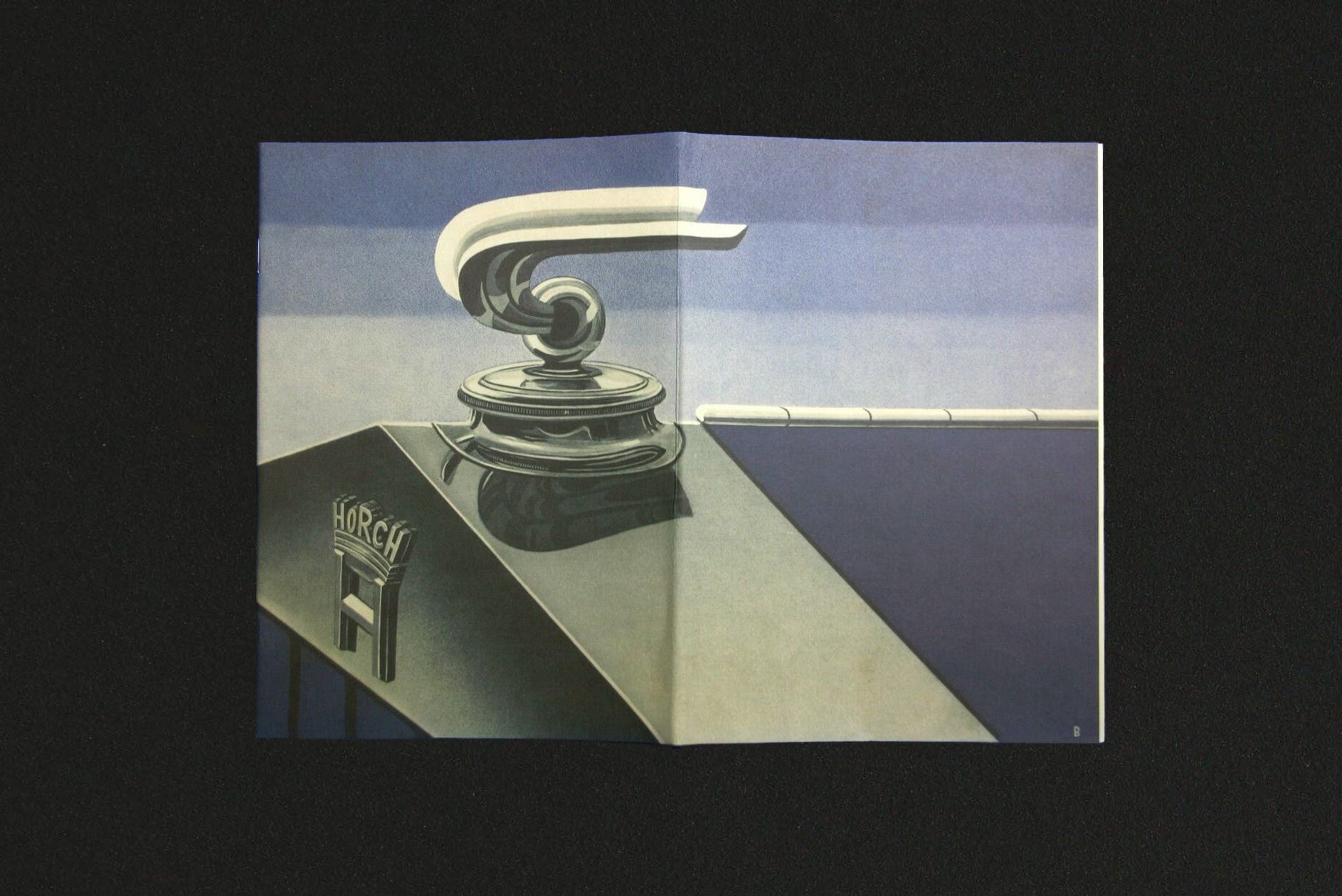
At the end of the 19th century, there were already a number of car manufacturers in Germany. One of them was August Horch & Cie., founded on November 14, 1899 in Cologne. August Horch was one of the pioneer figures of automotive engineering. Before setting up business on his own, he worked for Carl Benz in Mannheim for three years as Head of Automobile Production.
In 1904, August Horch relocated his company to Zwickau and transformed it into a share-issuing company. However, in 1909 August Horch withdrew from the company he had founded, and set up a new enterprise under the name of “Audi”.
Audi.
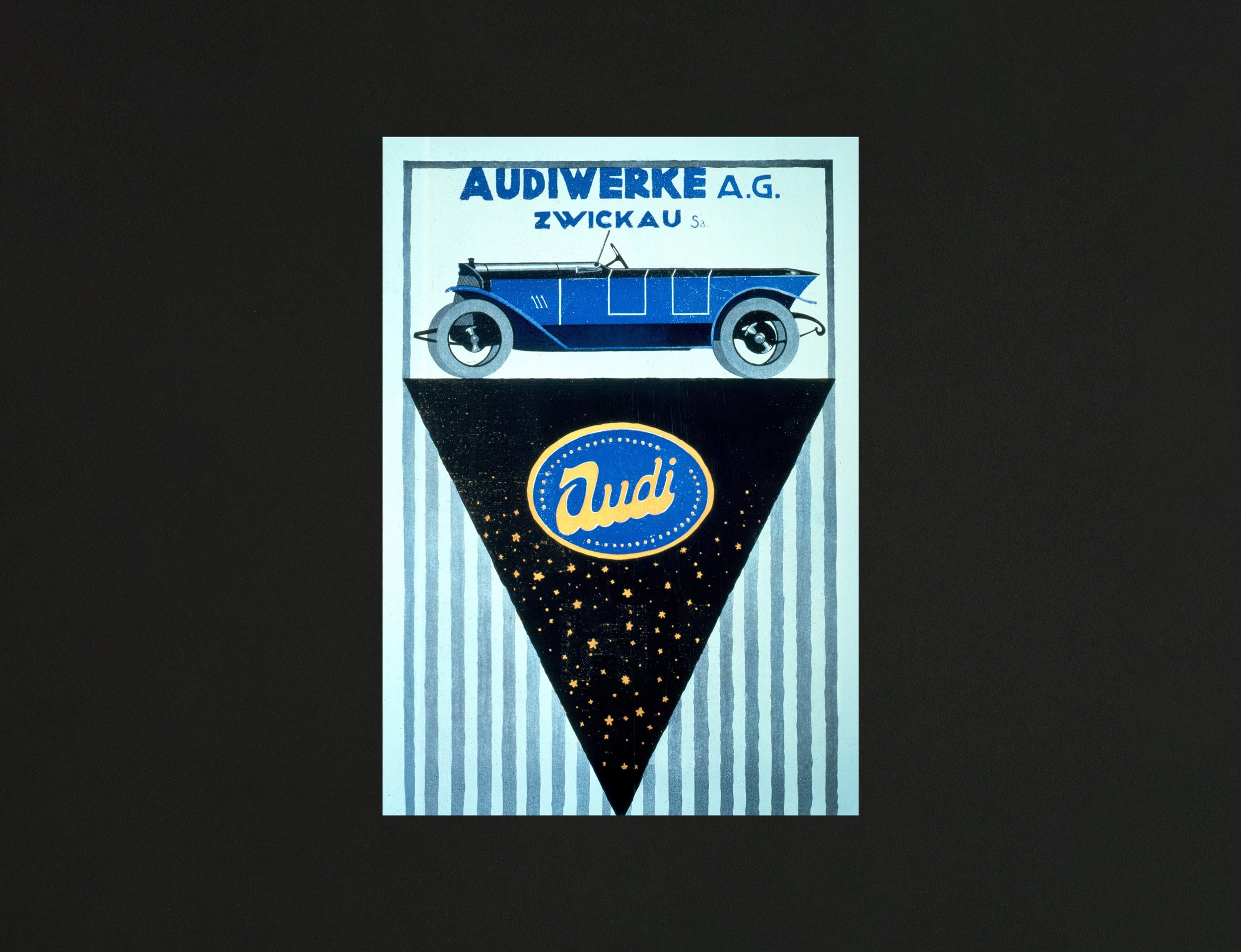
The company established by August Horch in Zwickau on July 16, 1909 could not use its founder’s name for reasons of fair trade. Horch found a new name for the company by translating his name, which means “hark!”, “listen!”, into Latin. The second company to have been set up by August Horch commenced operations under the name Audi Automobilwerke GmbH, Zwickau, on April 25, 1910.
Wanderer.
In 1885, the two mechanics Johann Baptist Winklhofer and Richard Adolf Jaenicke opened a repair business for bicycles in Chemnitz. Shortly afterwards they began to make bicycles of their own, since demand at that time was very high. These were sold under the brand name Wanderer, and in 1896 the company itself began to trade as Wanderer Fahrradwerke AG.
Wanderer built its first motorcycle in 1902. The idea of branching out into automobile production was finally put into practice in 1913. A small two-seater by the name of “Puppchen” heralded in Wanderer’s tradition of motor car production that was to last several decades.
DKW.
Originally founded under the name Rasmussen & Ernst 1902 in Chemnitz, the company was moved to Zschopau in the Erzgebirge region in 1907. The company initially manufactured and sold exhaust-steam oil separators for steam-raising plant, mudguards and lighting systems for motor vehicles, vulcanization equipment and centrifuges of all kinds.
The company’s founder Jorgen Skafte Rasmussen began to experiment with a steam-driven motor vehicle in 1916, registering DKW as a trademark. In 1919 the company, by now renamed Zschopauer Motorenwerke, switched to the manufacture of small two-stroke engines, which from 1922 on served as a springboard for its success in building motorcycles under the brand name DKW. The first small DKW motor car appeared on the market in 1928.
Auto Union AG, Chemnitz.
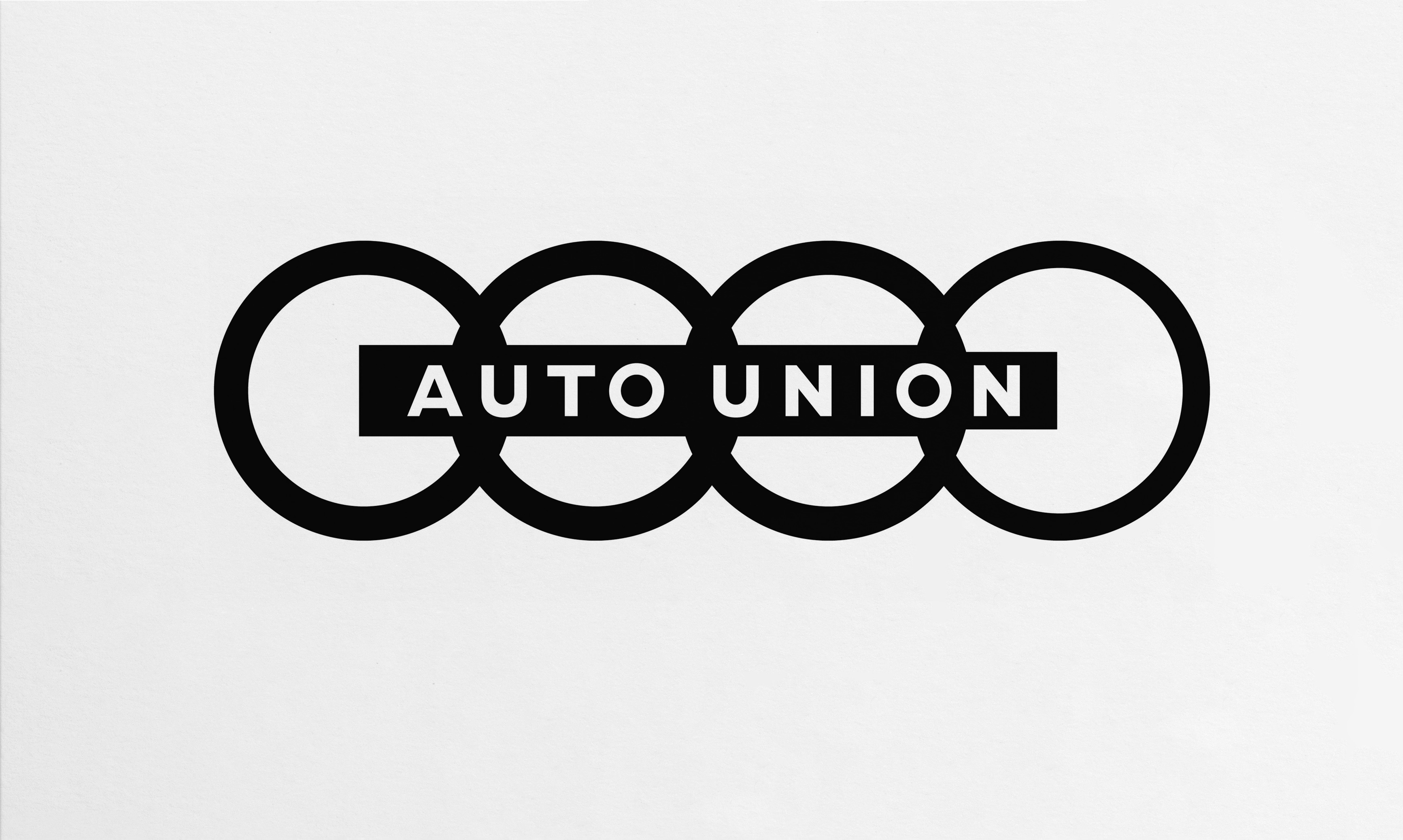
On June 29, 1932, Audiwerke, Horchwerke and Zschopauer Motorenwerke - DKW merged on the initiative of the State Bank of Saxony to form Auto Union AG. A purchase and leasing agreement was concluded at the same time with Wanderer, for the takeover of its Automobile Division. The new company’s head offices were in Chemnitz.
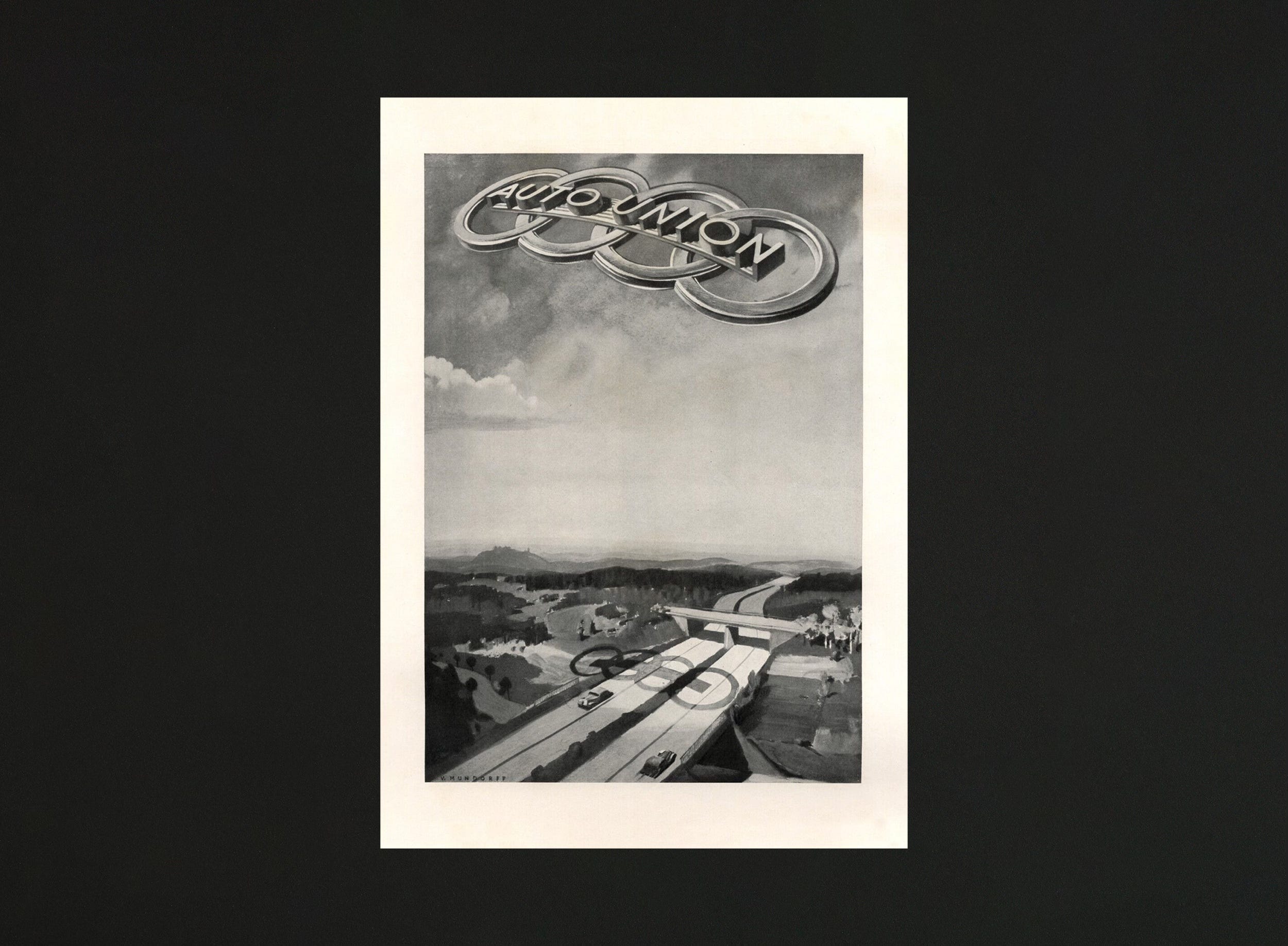
Following the merger, Auto Union AG was the second-largest motor vehicle manufacturer in Germany. The company emblem, with four interlinked rings, symbolized the inseparable unity of the four founder-companies. The brand names Audi, DKW, Horch and Wanderer were retained. Each of the four brands was assigned a specific market segment within the group: DKW assumed responsibility for motorcycles and small cars; Wanderer built midsize cars; Audi manufactured cars in the deluxe midsize class, and Horch produced deluxe top-of-the-range automobiles.
Auto Union GmbH, Ingolstadt.
In 1945, after the end of the Second World War, Auto Union AG was expropriated by the occupying Soviet forces. The company’s leading figures consequently moved to Bavaria, where a new company was founded in Ingolstadt in 1949 under the name of Auto Union GmbH, to uphold the motor vehicle tradition of the company with the four-ring emblem. The first vehicles to leave the company’s production line after its new start were DKW’s successful models with two-stroke engines — motorcycles, cars and delivery vans.
A new Auto Union model appeared on the market in 1965, the company’s first post-war vehicle with a four-stroke engine. To emphasize this dawning of a new era, a new product name was likewise needed: the traditional name of Audi was resurrected. A short time later, the last DKWs rolled off the production line in Ingolstadt. From then on, the new models with four-stroke engines were produced under the brand name “Audi”. A new era had begun in another sense, too: the Volkswagen Group acquired the Ingolstadt-based company in 1965.
NSU.
NSU was founded in 1873 in Riedlingen, on the Danube, by the two Swabian mechanics Christian Schmidt and Heinrich Stoll. Seven years later they moved the company to Neckarsulm. For its first twenty years, the company manufactured knitting machines.
Neckarsulmer Strickmaschinenfabrik diversified into bicycles in 1886. From then on, the bicycle was to have a decisive influence on the company’s fortunes. Motorcycle production commenced at NSU in 1901, and five years later the first motor car was built there. Automobile production activities were halted again in 1929, to allow the company to concentrate on building two-wheelers. It was almost thirty years later, in 1958, that production of cars recommenced in Neckarsulm.
On March 10, 1969, Auto Union GmbH of Ingolstadt merged with NSU Motorenwerke AG, of Neckarsulm. The new company bearing the name Audi NSU Auto Union AG, with its head offices in Neckarsulm, was created retrospectively as of January 1.

1969. Union GmbH and NSU Motorenwerke AG merge.
The two firms Auto Union GmbH and NSU Motorenwerke AG merged in 1969. As a consequence of this, the product portfolio of “Audi NSU Auto Union AG” had expanded to more than ten model ranges encompassing a multitude of technical concepts. Marketing employee Hans Bauer put this technical diversity and finesse in a nutshell by coining an advertising slogan that was as brilliantly simple as it was ingenious: Vorsprung durch Technik!
Audi AG.
The last NSU left the production line in March 1977, and from then on the company manufactured exclusively Audi cars. About this time, the company’s bosses began to consider streamlining the company’s rather cumbersome name of Audi NSU Auto Union AG. With the objective of giving the company and its products the same name, in 1985 Audi NSU Auto Union AG was renamed simply AUDI AG. To coincide with the change of name, the company’s registered headquarters were transferred from Neckarsulm to Ingolstadt.
The Audi Quattro changed everything in modern times. When it came out in 1984 it was simply unbeatable. It was followed by the groundbreaking S2 Avant in 1990, and by the early 2000s, they were the one to beat.
Audi’s brand has evolved since then, but always with varied applications of the four rings, with a wonderful custom typeface by designer Erik Spiekermann in 1997.
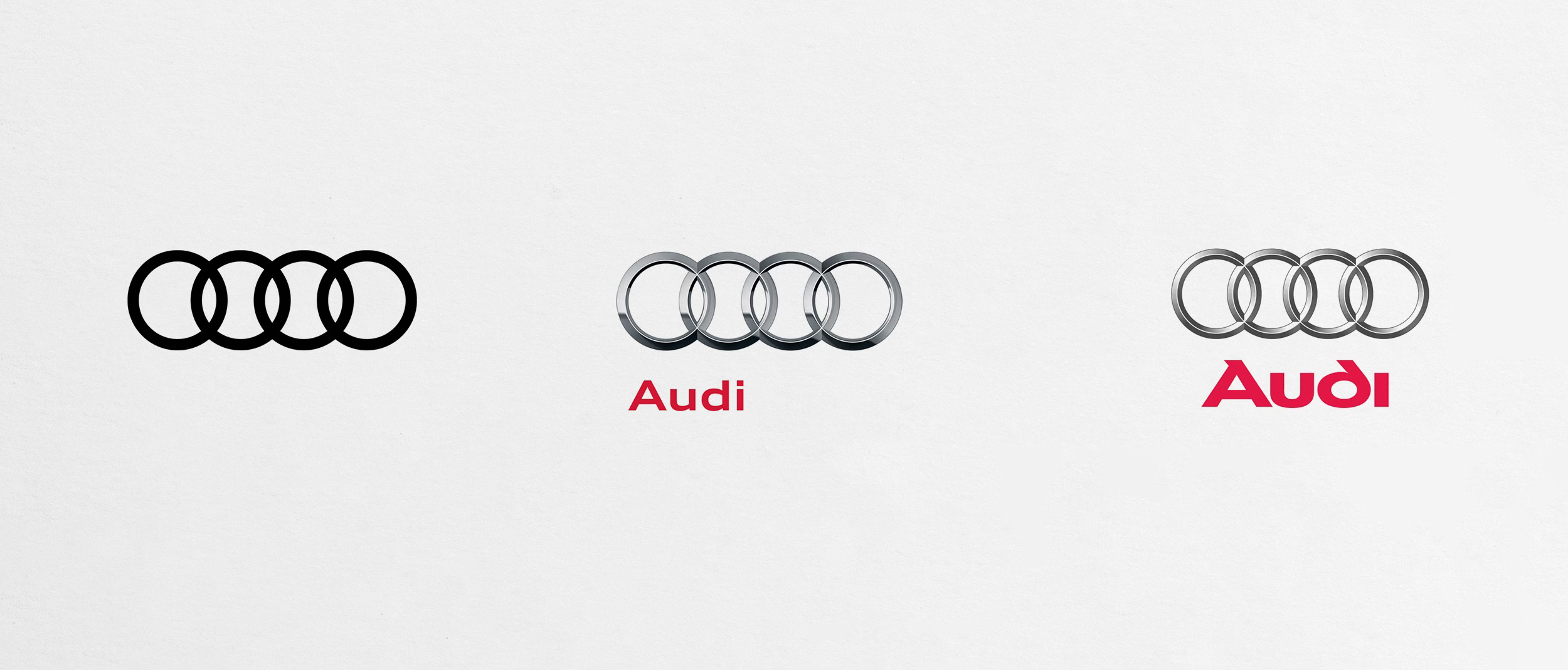
But when I heard that Audi was going to drop the four rings I honestly thought it was an April fools day joke. It could not be true.
It was showcased with the launch of the Audi E Concept electric Sportback at Auto Shanghai 2025 which revealed the new “AUDI” wordmark instead of the four rings.
Now, I know this is only for China (somehow it makes it even worse for me, and I’m not sure why) but nevertheless, I thought it was just another enormously bad call by the folks in charge and I was baffled.
Audi is working closely with SAIC Motor to develop next-generation EVs for China. They have been testing “badge-less” or “simplified branding” on concept EVs as well as some China-focused models and the language used to “sell” this direction is just as ridiculous.
“Minimal, tech-forward design”, “Clean surfaces without traditional emblems” or “Strong emphasis on digital identity over physical badges”.
Audi is adapting to this expectation, where a logo feels “old-world” rather than futuristic.
It is testing a future where the badge matters less than the experience, especially in China’s fast-moving EV market but I disagree with the theory that a badge will “matter less”. A badge, logo, brand - whatever you want to call it is the signature that represents who you are, what you do and what you stand for. I don’t see that going away. And it shouldn’t.
Additionally, a “word mark” is the same as a “mark”. It does the same thing. It is a reflection of the company. This is just word salad that only means something to the “marketing” teams that build 100-page branding guidelines that certainly mean nothing to a consumer who simply wants a good, reliable, affordable and beautiful vehicle.
Speaking of “future experience”, they would not be in this situation if they had continued their industry leading achievements from the previous generations.
Now we have fake exhaust sound, cheap plastics in interiors that not too long ago changed the industry, dashboards full of screens, “piano black” surfaces that scratch at the slightest touch, tech that dates as fast as an iPhone and reliability issues that J.D. Powers ranks below the industry average on their “Initial Quality Study”. According to them, Audi is not a top-tier reliability brand. In 2024, Audi ranked 28th out of 34 brands.
A very long but detailed recap of the Audi decline is perfectly and lovingly outlined in this video A film by Audis desperate community by Auditography. I highly recommend it. A shorter recap is covered in this video, The unexpected end of Audi.
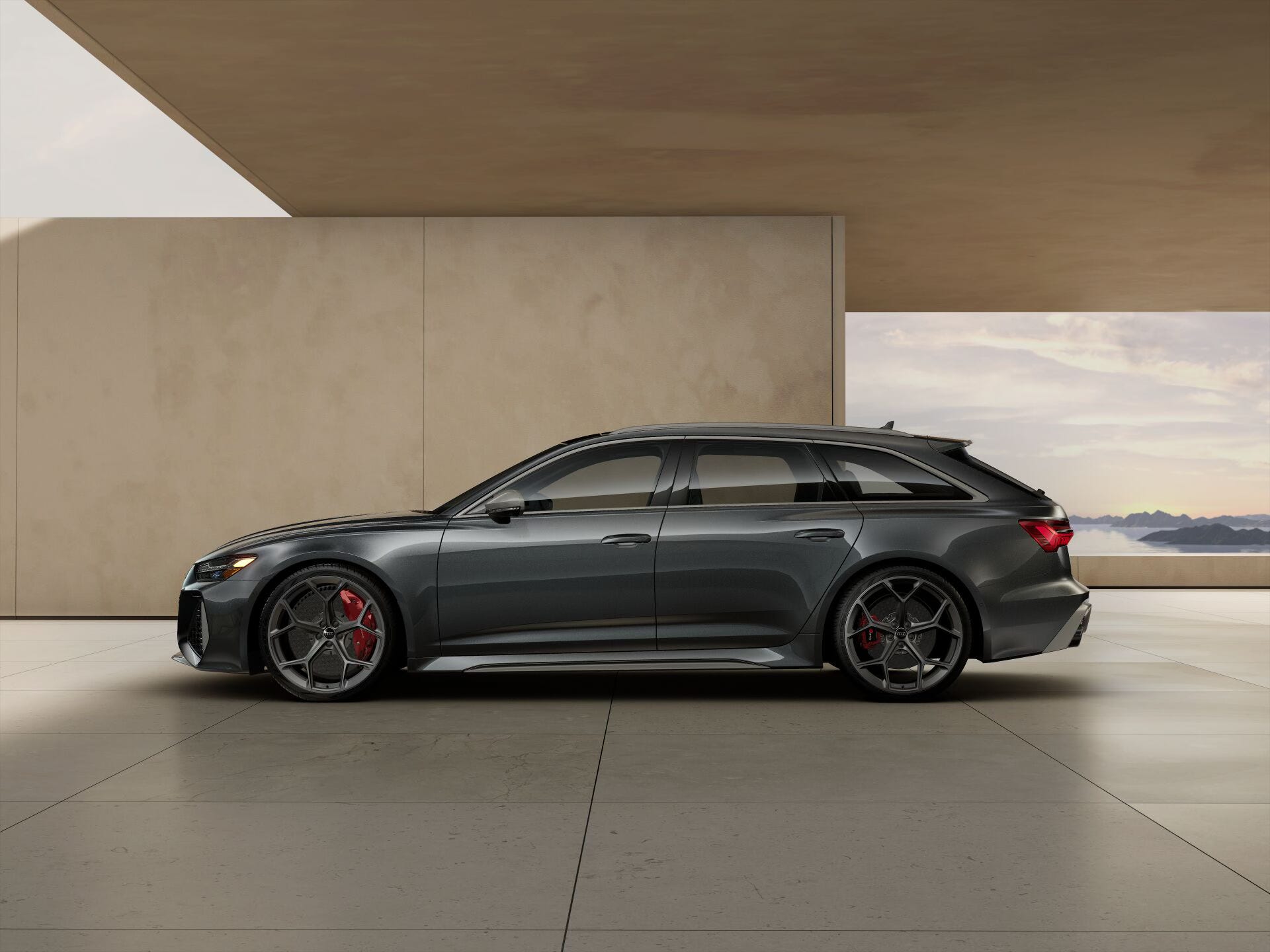
There are a few cars they still make that I would love to have, like the Audi RS6 Avant Performance, which starts at $130,700. I added a handful of options and the price ballooned to $164,790 and there was plenty of opportunity to go higher, but even this model includes features that I feel fall short.
The brand is shifting heavily toward SUVs and EVs. 65%–70% of sales in the U.S. are SUVs. Audi has been phasing out traditional two-door coupes, and by 2025–2026 the lineup is essentially gone in the U.S. I understand that is the world we live in. I just miss the “good old days” and they say.
I know that Audi is not abandoning the four rings globally, but this does not lessen the damage in my mind. The fact that this was even considered is a sign that something is not well. in fact, I almost feel they should pick a lane. My lane has four rings.
PS • The four Audi images at top are not generated. Long before AI, I hired 1stCar - a concept car designer and illustrator to draw every car I have ever owned. He did such a great job, people think they are AI. All for a book called “los CARros de CARlos”.