


Asia Motors Industries (아시아자동차공업), was a major South Korean vehicle manufacturer, active from 1965 until 1999. Although it did build passenger cars for a short period, its real importance was in buses, trucks, military vehicles and 4x4s. Its history eventually became part of Kia.
Asia Motors was established in Gwangju on July 2, 1965, during the period when the South Korean government was actively trying to create a domestic automobile industry. Local businessman Lee Mun-hwan (이문환) was behind the project. The company planned a large vehicle factory in Gwangju and originally pursued a technical relationship with Renault before shifting toward Fiat.
The ambition was considerable for Korea at that time: Asia wanted to manufacture commercial vehicles, military vehicles and eventually passenger cars rather than simply remain a small assembly operation.
Financial problems came almost immediately, however. The Gwangju factory was completed around 1968–69, but Asia did not have sufficient capital to expand on its own. Dongkuk Steel acquired the company in 1969.
The Fiat 124 era
Asia’s best-known early passenger car was the Fiat 124.
Licensed production began at Gwangju in 1970. It was essentially the Italian Fiat 124 adapted and assembled for Korea and was marketed quite aggressively as a modern Korean family car. Period advertising even called it the “People’s Car.”
This makes Asia an interesting part of Korea’s early passenger-car history alongside Hyundai’s Ford-based products and Shinjin’s Toyota relationship.
But Asia’s passenger-car business was short-lived. During the Korean government’s restructuring of the automobile industry in the early 1970s, Asia’s proposal for a high-volume small car did not satisfy government requirements. Its authorization to assemble passenger cars was withdrawn, pushing the company increasingly toward commercial and specialty vehicles.

Kia takes control: 1976
The decisive change came in August 1976, when the government-led restructuring of Korea’s auto industry resulted in Kia Industries taking control of Asia Motors and its Gwangju factory.
Asia remained a recognizable brand, however. Rather than simply disappearing into Kia, it essentially became the Kia group’s specialist commercial-vehicle arm.
That gave Asia a very different identity from Kia itself. Kia increasingly concentrated on passenger cars and light trucks, while Asia became associated with buses, heavy trucks, military vehicles, special-purpose vehicles and later off-road vehicles.
The Gwangju operation also became an important military-vehicle manufacturing center after the company was designated for defense production.
The classic ASIA buses
During the late 1970s and 1980s Asia became one of Korea’s important bus manufacturers, producing a complicated family of AM-series buses ranging from small minibuses to full-size intercity and highway coaches.
Among them were models such as the AM805 Combi, AM808, AM907, AM927, later AM937, Cosmos, and ultimately the Granbird.
Asia also worked with Japanese manufacturers and technology suppliers; a relationship with Hino was established in 1978 and Hino-derived engineering became important in several of Asia’s heavier vehicles and buses.
1988 Olympic ASIA bus
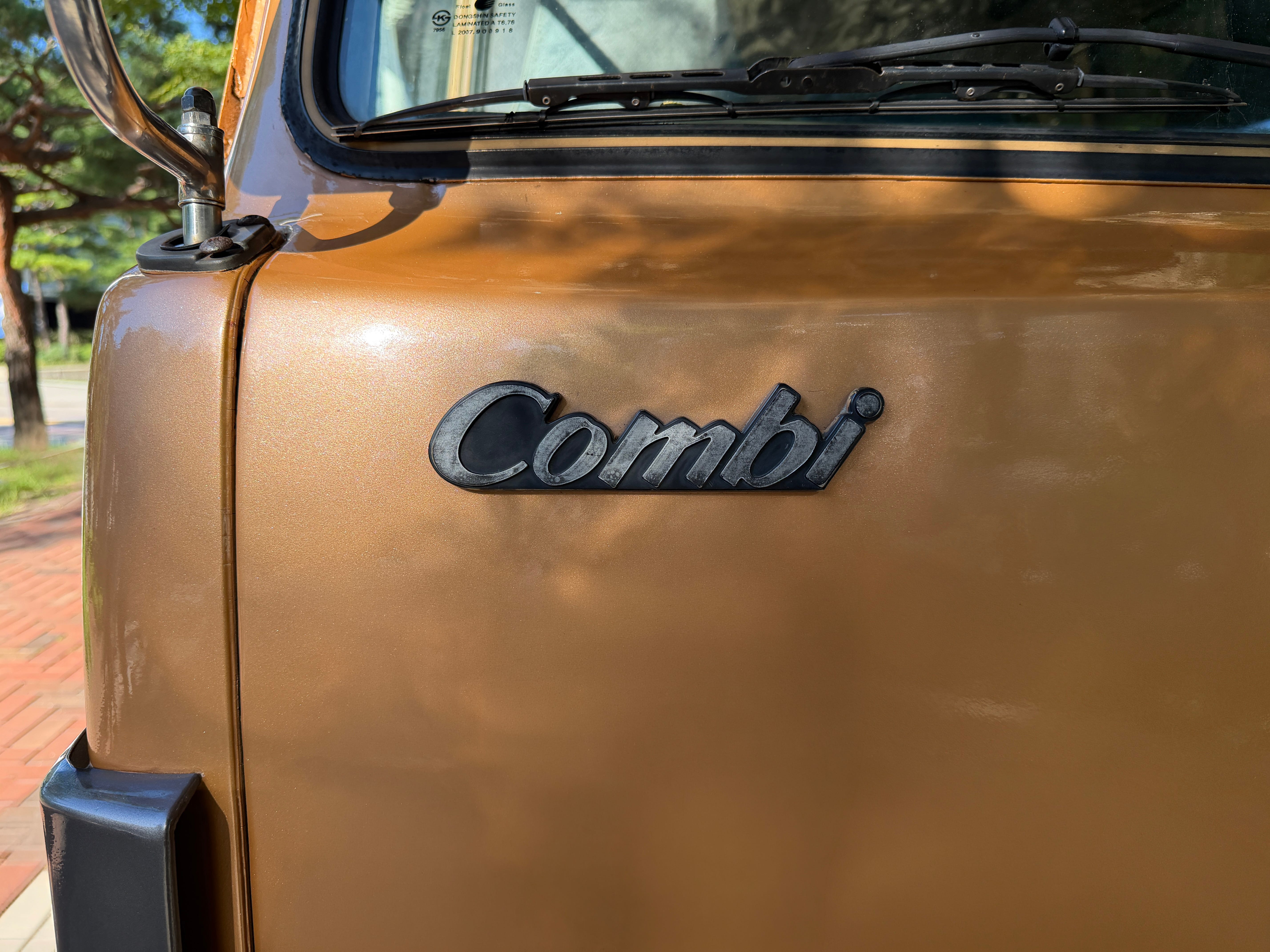
It is an Asia AM805 Combi, one of the first-generation Combis produced from 1983. According to the Seoul Museum of History, this particular VIP version was constructed in 1985 specifically with promotional and ceremonial duties connected with the Seoul Olympics in mind.
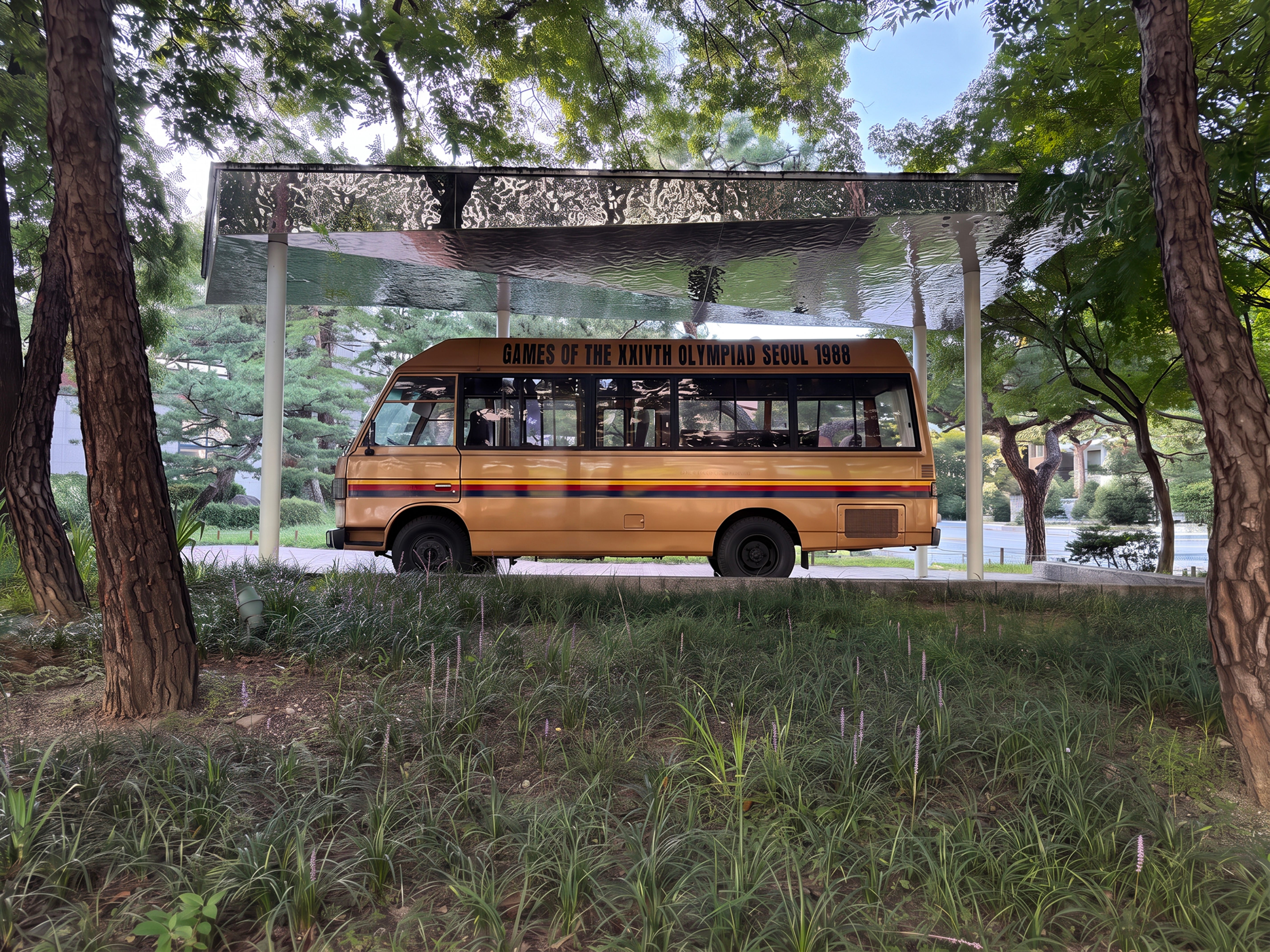
The ordinary AM805 was approximately a 25-passenger minibus. For this special version, Asia converted the passenger compartment to accommodate only about six people and fitted it more like a mobile executive lounge. It included sofa-style seating, a work table, a vehicle refrigerator and a unusually luxurious interior for a Korean minibus of the period.
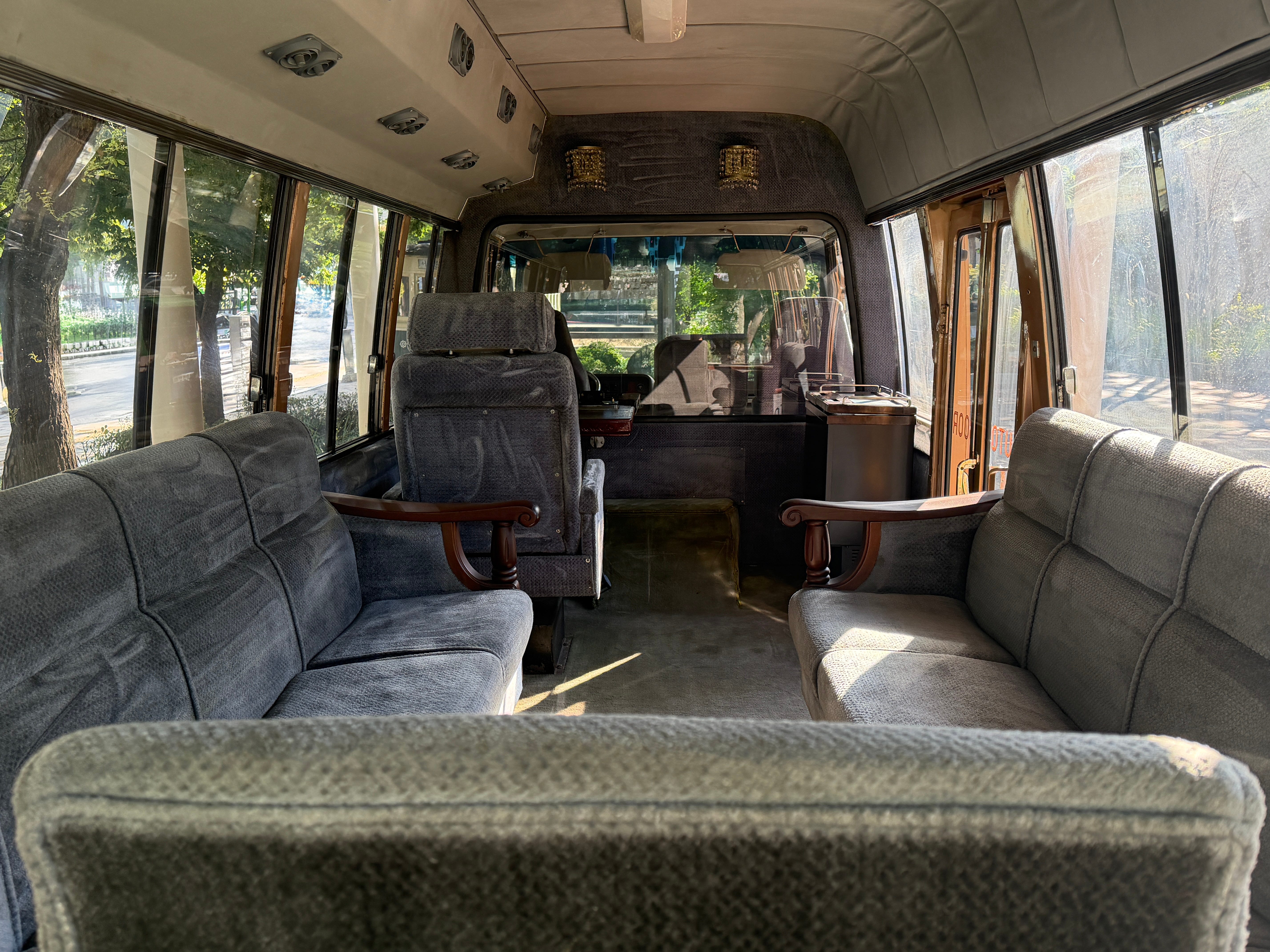
It became known informally as both the “88 Combi Bus” and the “Samaranch minibus,” a reference to IOC president Juan Antonio Samaranch. The museum confirms that it was used during the 1988 Seoul Olympic Games.
From military vehicles to the Rocsta
Asia also became important in Korea’s 4x4 history.
Its experience manufacturing military vehicles eventually led to the civilian Asia Rocsta, introduced around 1990. The small Jeep-like 4x4 was related conceptually to the company’s military K-111 program and became one of the relatively few Asia-badged passenger vehicles widely exported.
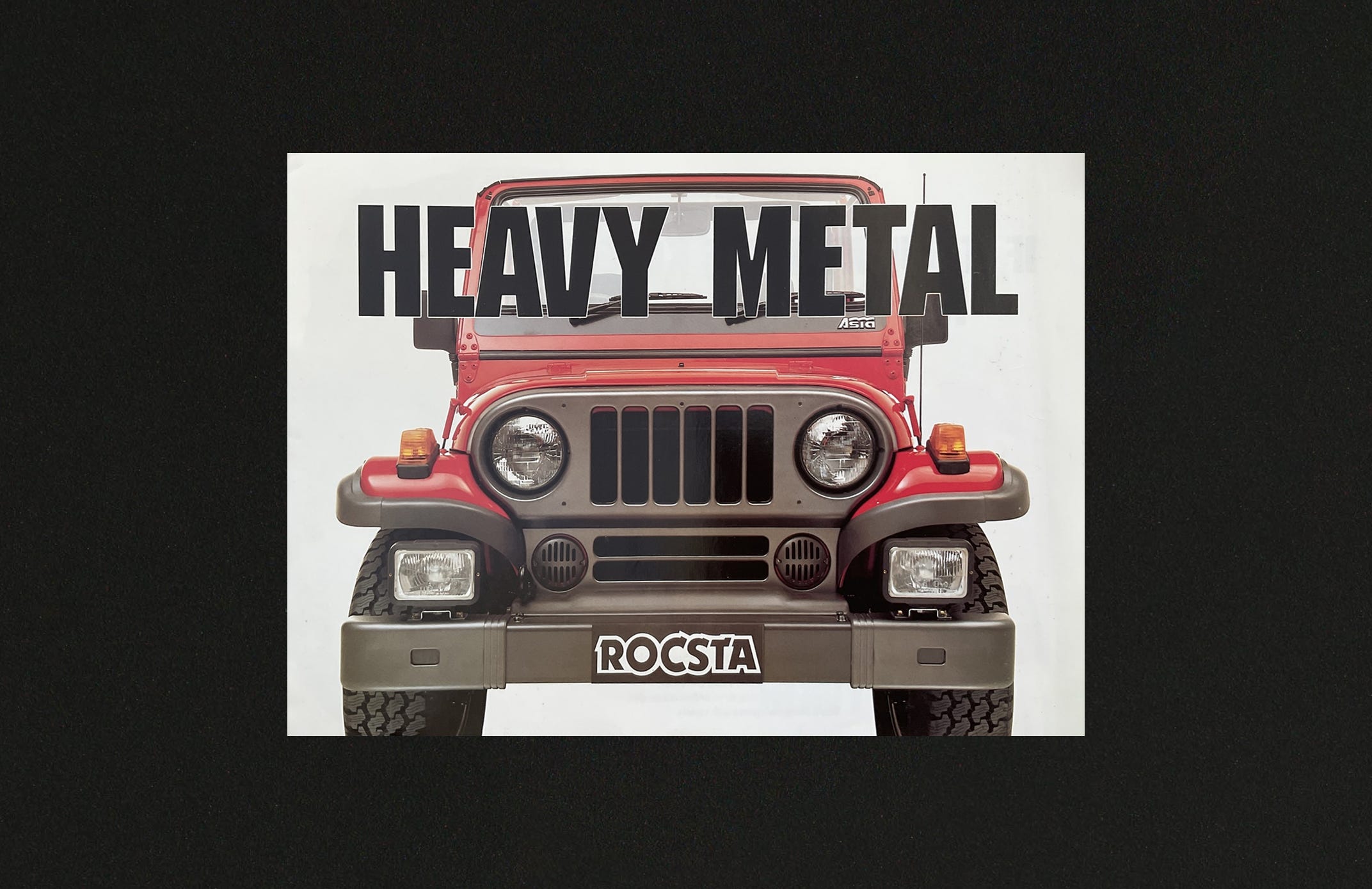
You may encounter surviving Rocstas today in Europe, Australia and various Asian markets. Its eventual successor was the Retona, which lived on after the Asia name disappeared as the Kia Retona.
Asia in the 1990s
By the 1990s the range had become surprisingly broad. Asia produced small commercial vehicles such as the Towner, vans such as the Topic, minibuses such as the Combi and Cosmos, large buses and coaches, heavy trucks, military vehicles and the Rocsta/Retona 4x4 family.
One of its most important late products was the Granbird, introduced in the mid-1990s as a large luxury coach. The Granbird is particularly significant because it survived Asia Motors itself and became a Kia product.
Asia’s Gwangju operations had grown considerably by this point. Academic production records show that the Gwangju operation produced more than 131,000 vehicles in 1996, illustrating that Asia was far from being merely an obscure small manufacturer.
The end of ASIA: 1997–1999
The Asian Financial Crisis brought the Kia Group into severe financial difficulty in 1997.
Hyundai subsequently took control of Kia, and the separate Asia Motors identity no longer made much sense within the reorganized group. Asia Motors was merged into Kia in 1999 and the ASIA marque disappeared.
The factories did not disappear, though. The former Asia Motors complex became the foundation of today’s Kia AutoLand Gwangju, so there is a direct industrial line from the Asia vehicles of the 1960s–90s to modern Kia production in Gwangju.
(sources: Seoul Museum, IDEAS/RePEc, Namu Wiki, Wikipedia)
I actually have some original Asia Motors vehicle brochures in my collection! I've been collecting automotive literature for years, and Asia is one of those manufacturers that most people have never heard of. It's wonderful to see the company's history getting some attention, particularly the Rocsta and its commercial vehicles. Thanks for bringing back some memories!