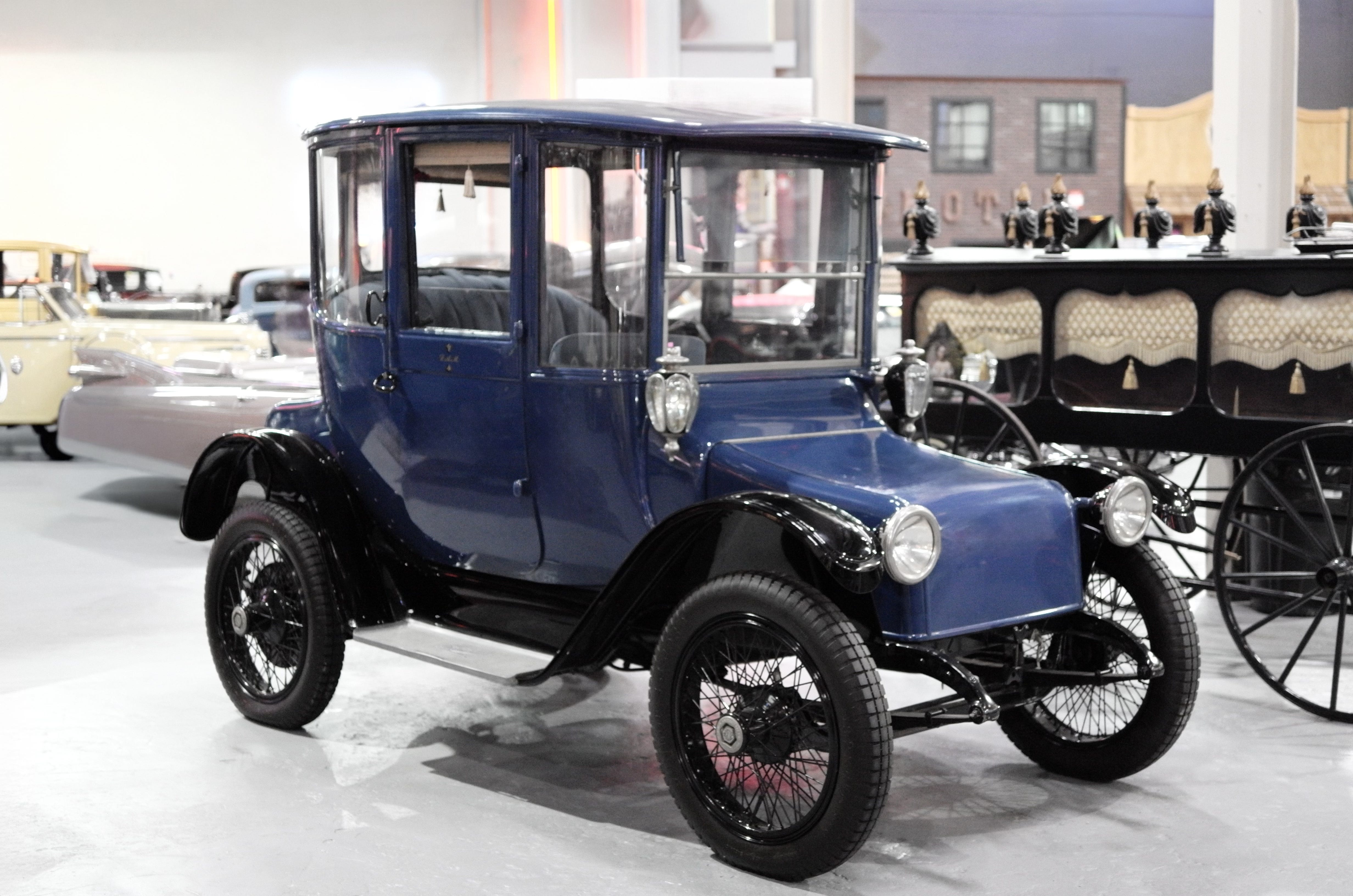
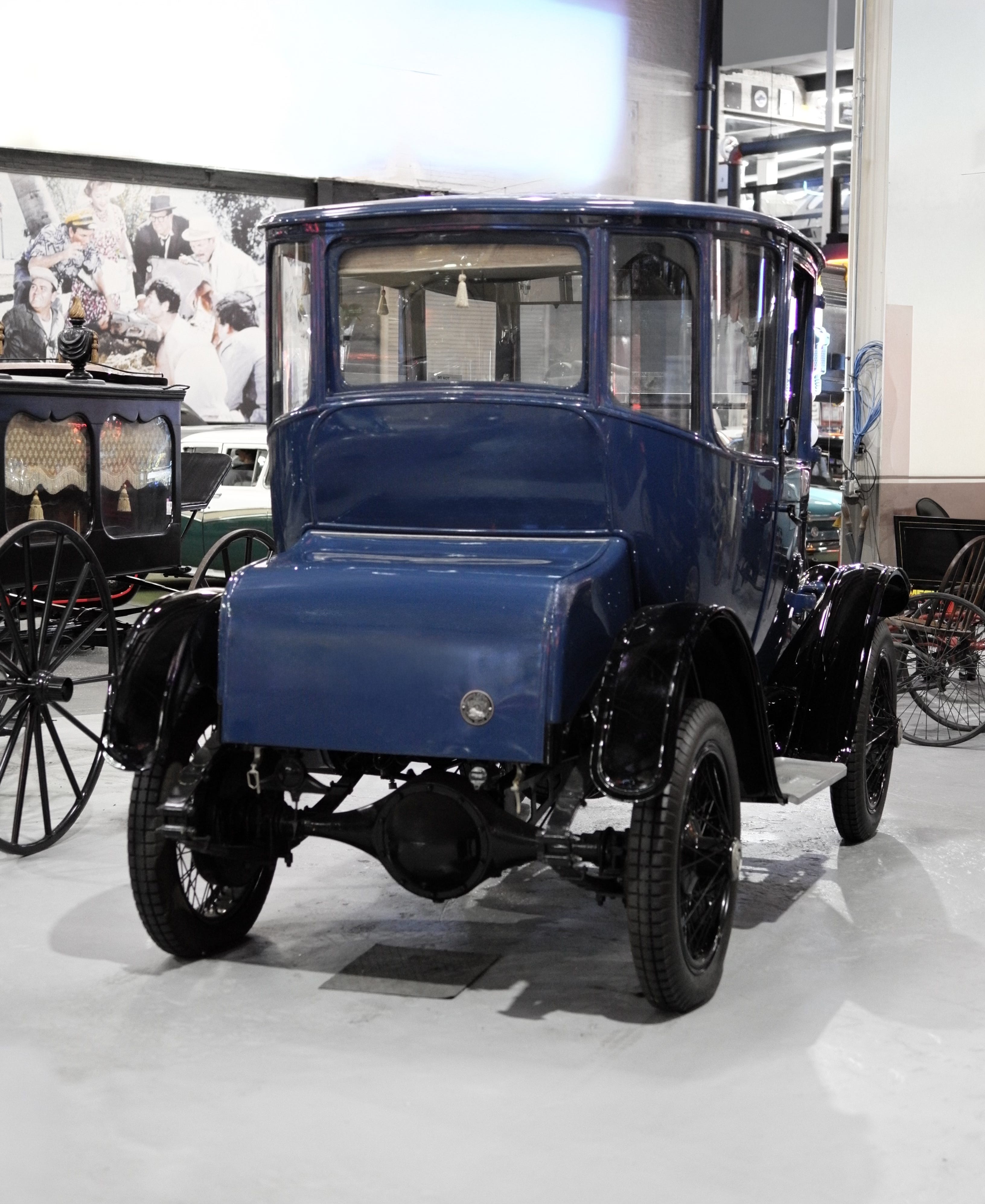
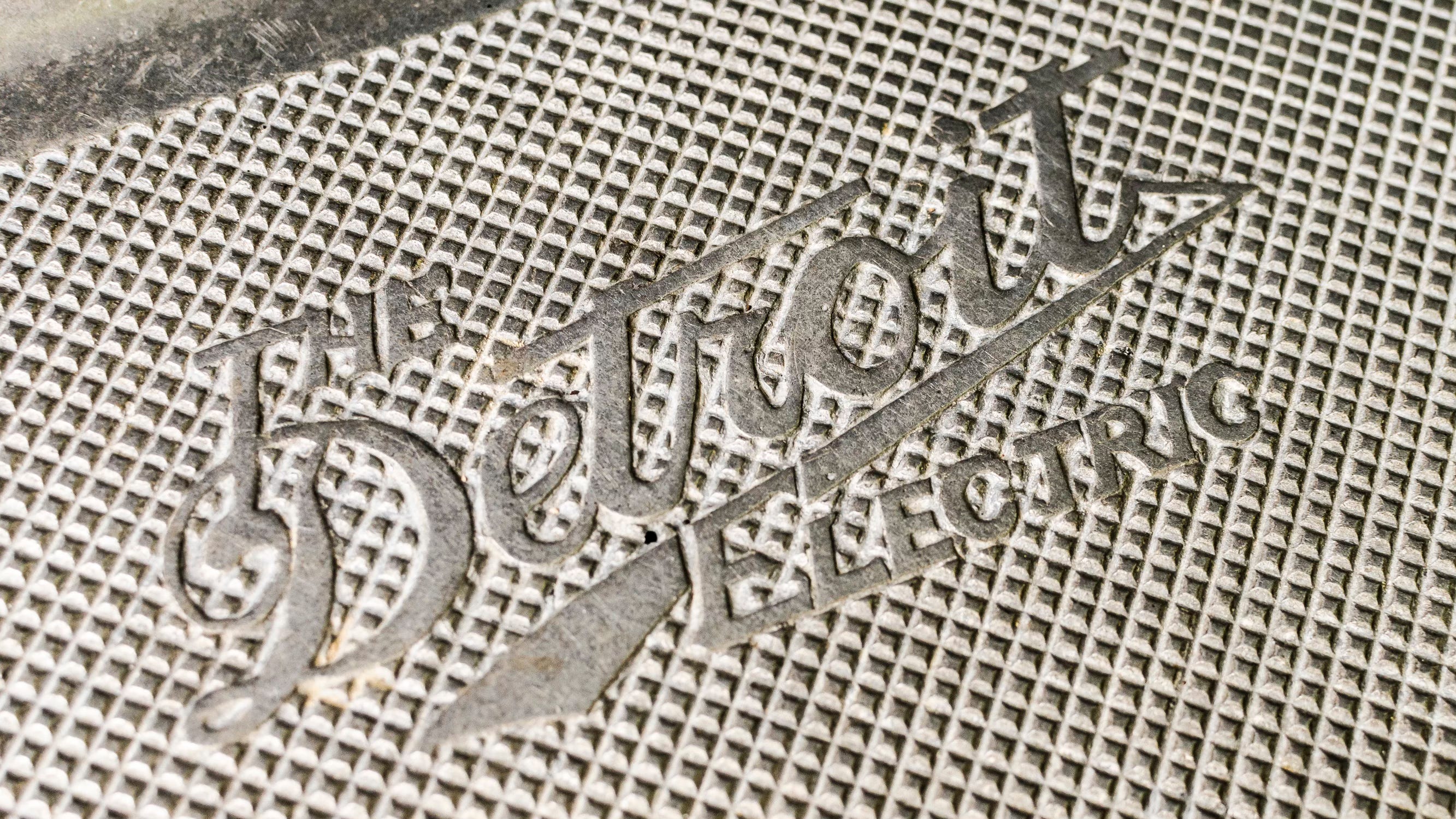
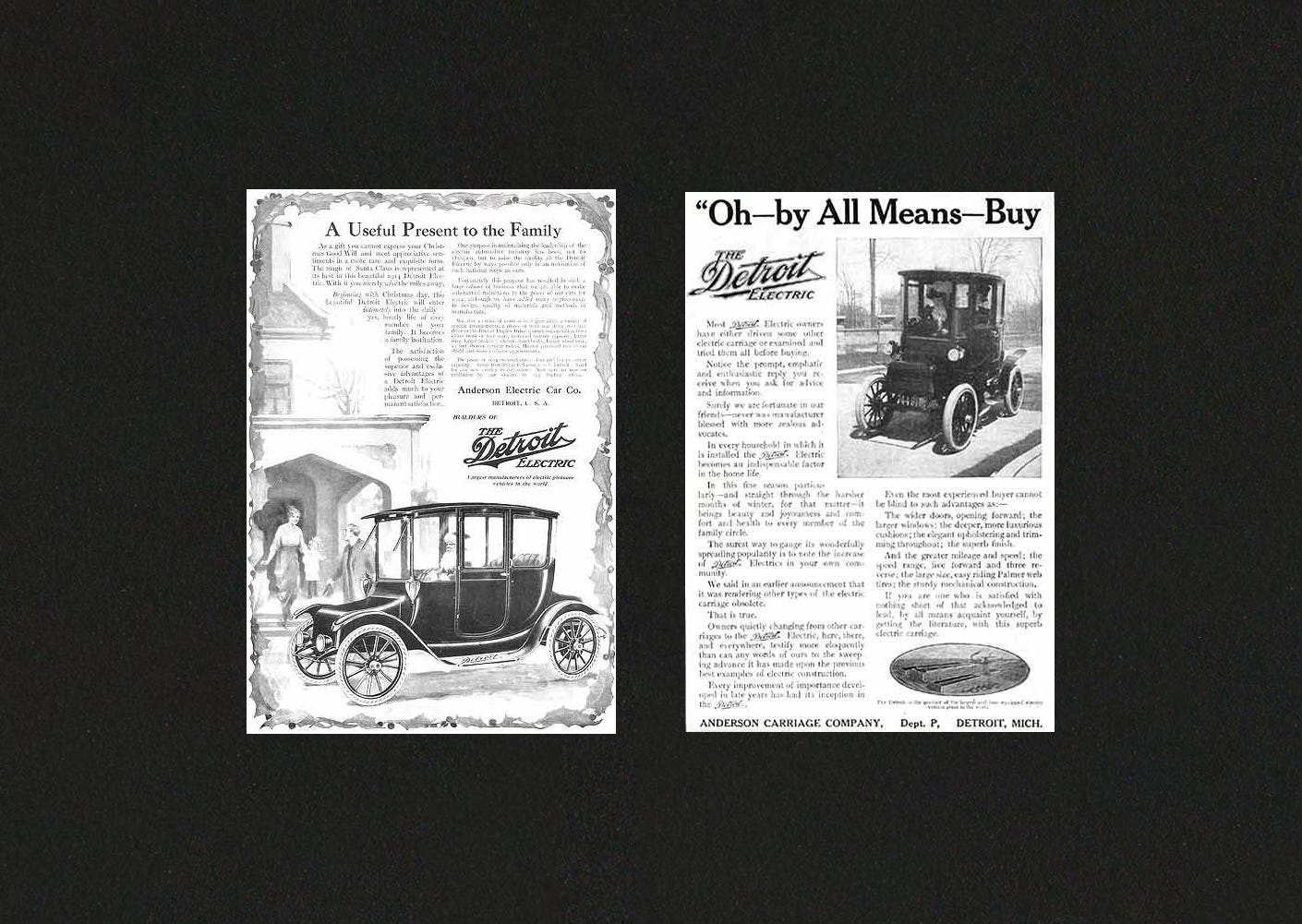
The Detroit Electric car that was made in the early 1900s was produced by the Anderson Electric Car Company (originally known as the Anderson Carriage Company).
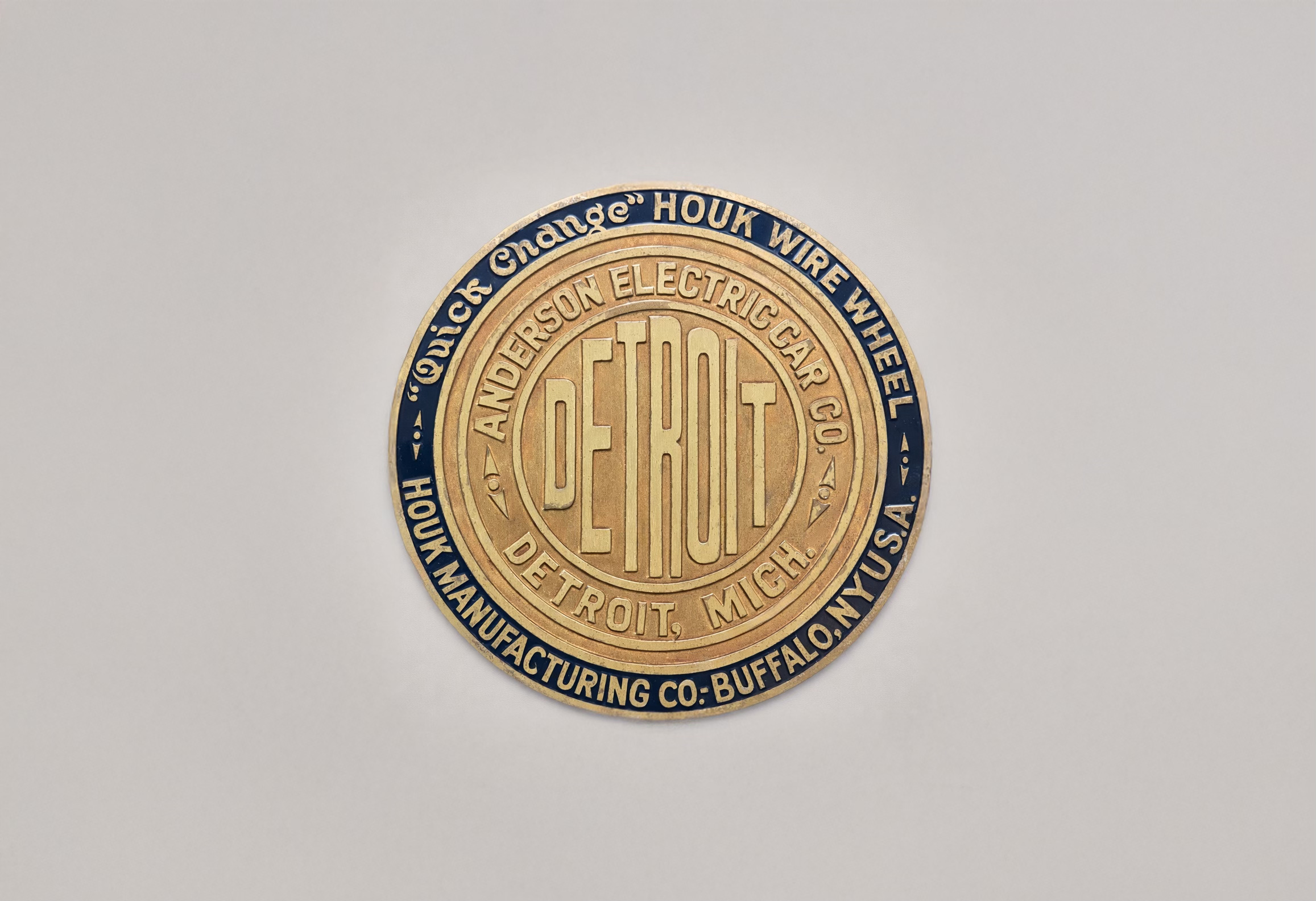
The Detroit Electric was an early battery-electric automobile first built in 1907 in Detroit, Michigan. It was manufactured by Anderson Electric Car Company, which had evolved from the Anderson Carriage Company (a carriage maker founded in 1884).
Between 1907 and 1939, the company built roughly 13,000 Detroit Electric vehicles. In 1920 the company name was changed to The Detroit Electric Car Company, reflecting its focus on electric automobiles rather than carriages and bodies.
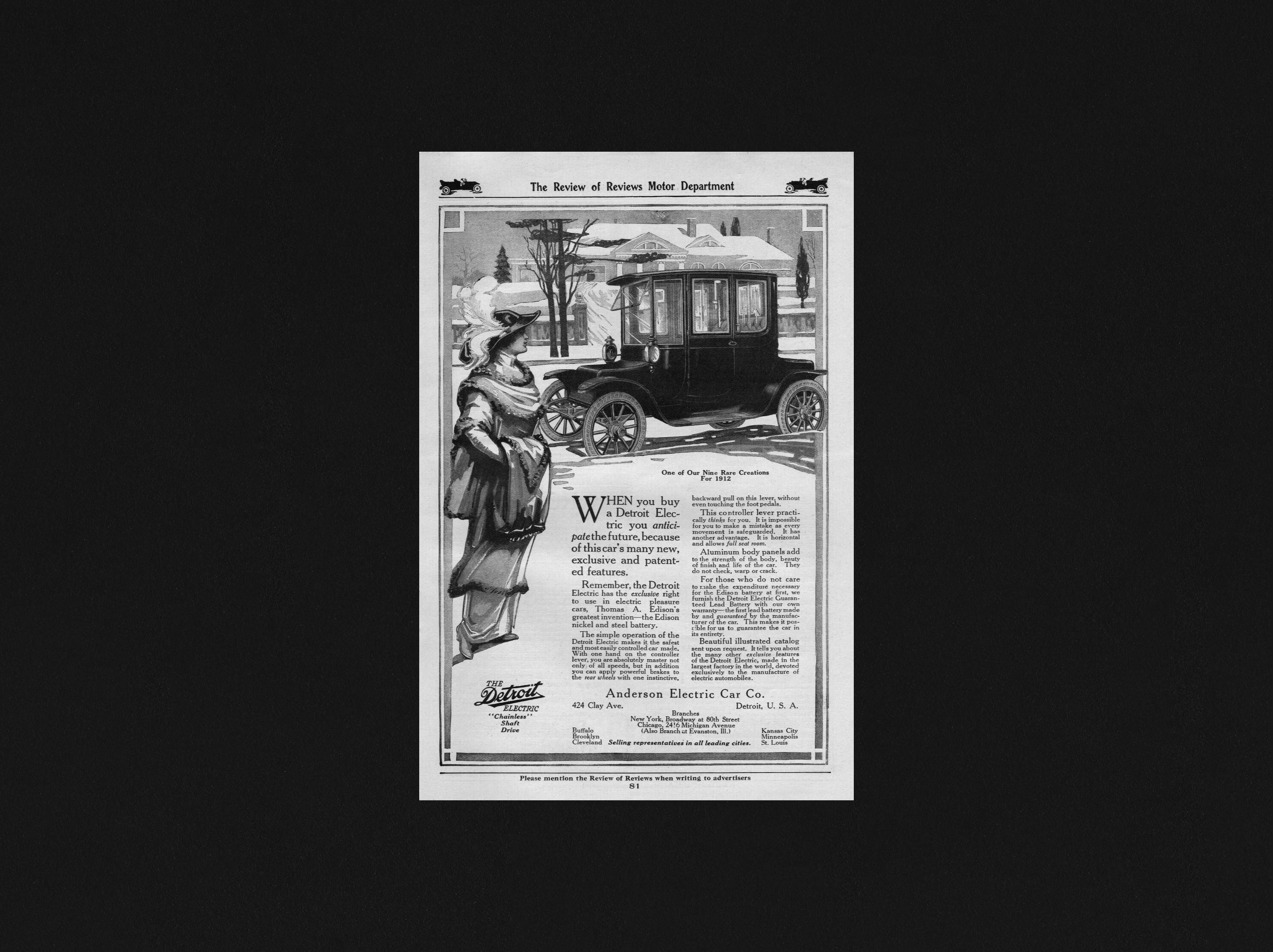
Detroit Electric (1907-1939) was an automobile brand produced by the Anderson Electric Car Company in Detroit Michigan. Anderson had previously been known as the Anderson Carriage Company (untill 1911), producing carriages and buggies since 1884. Production of the electric automobile, powered by a rechargeable lead acid battery, began in 1907. For an additional $600.00 an Edison nickel-steel battery was available from 1911 to 1916.
The electric vehicle was mainly sold to women drivers and physicians who desired the dependable and immediate start without the physically demanding hand cranking of the engine that was required with early internal combustion engine autos. The cars were advertised as reliably getting 80 miles (130 km) between battery recharging, although in one test a Detroit Electric ran 211.3 miles (340.1 km) on a single charge. Top speed was only about 20 miles per hour (32 km/h), but this was considered adequate for driving within city or town limits at the time.
The company production was at its peak in the 1910s selling around 1000 to 2000 cars a year. Towards the end of the decade the Electric was helped by the high price of gasoline during World War I. In 1920 the name of the Anderson company was changed to “The Detroit Electric Car Company” as the car maker separated from the body business (it became part of Murray Body) and the motor/controler business (Elwell-Parker).
As improved internal combustion engine automobiles became more common and inexpensive, sales of the Electric dropped in the 1920s but the company stayed in business producing Detroit Electrics until after the Stock Market crash of 1929. The company filed for bankruptcy, but was acquired and kept in business on a more limited scale for some years building cars in response to special orders. The last Detroit Electric was shipped 2-23-39, but in its final years the cars were manufactured only in very small numbers.
Notable people who owned Detroit Electrics cars included Thomas Edison, Charles Proteus Steinmetz and John D. Rockefeller, Jr. who had a pair of model 46 roadsters. Clara Ford, the wife of Henry Ford, drove Detroit Electrics from 1908 when Henry bought her a model C coupe with a special child seat, through the late teens. Her third car was a 1914 model 47 Brougham.
An electric car is depicted in the Donald Duck comic books as the car of the character Grandma Duck but the car depicted is more likely a Baker or a Rauch & Lang.
(Part of this article is licensed under the GNU Free Documentation License. It includes content from this Wikipedia article.)

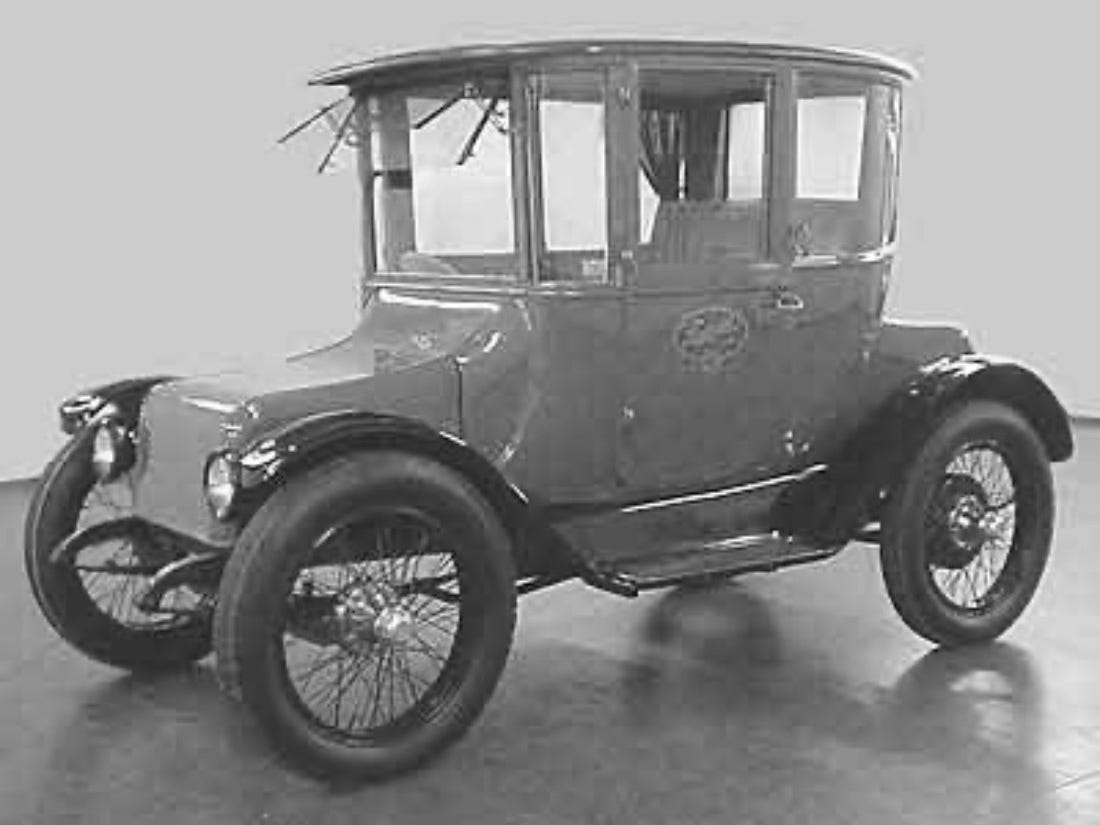
1916 Detroit Electric Model 57 Brougham.