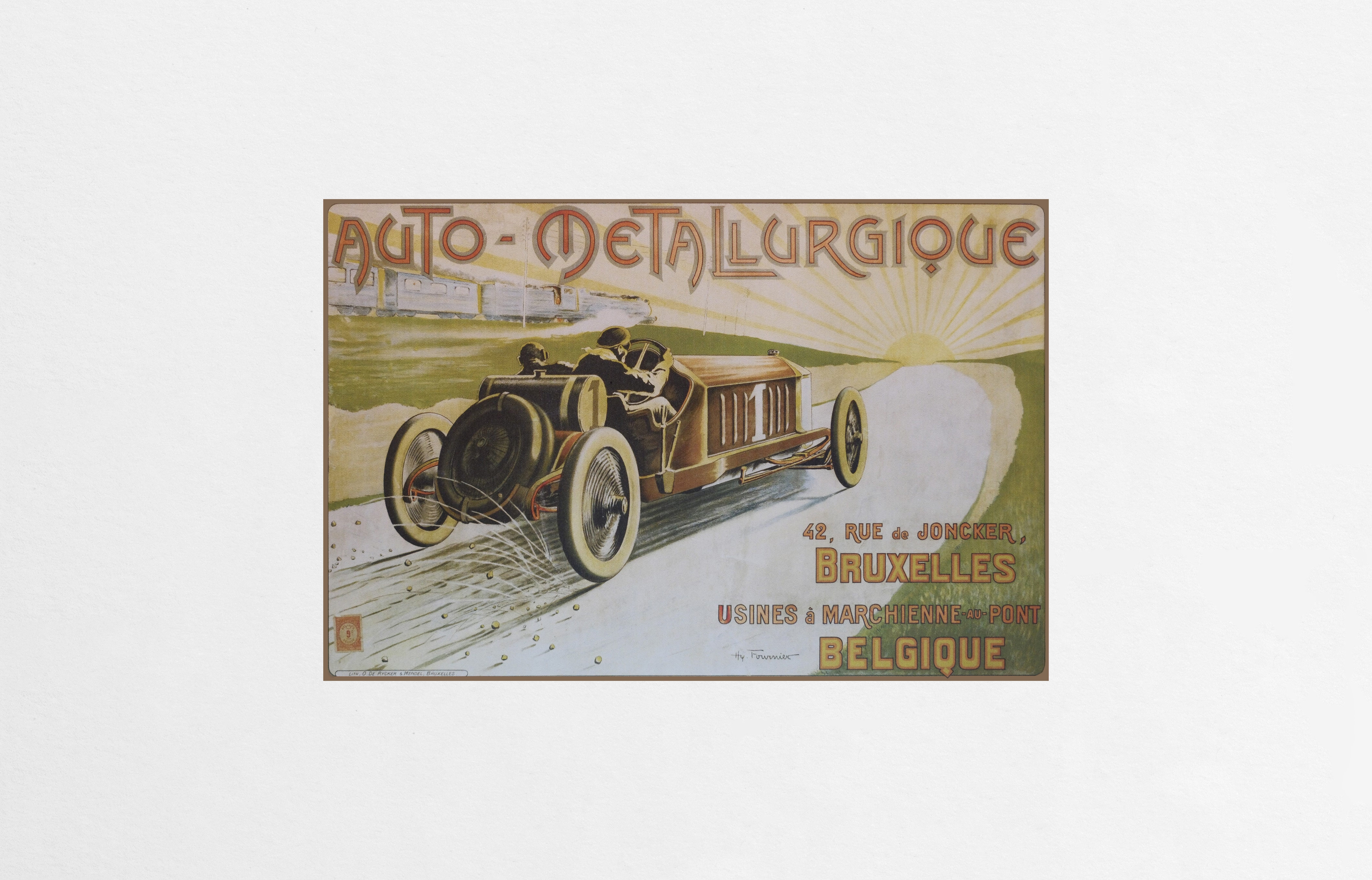
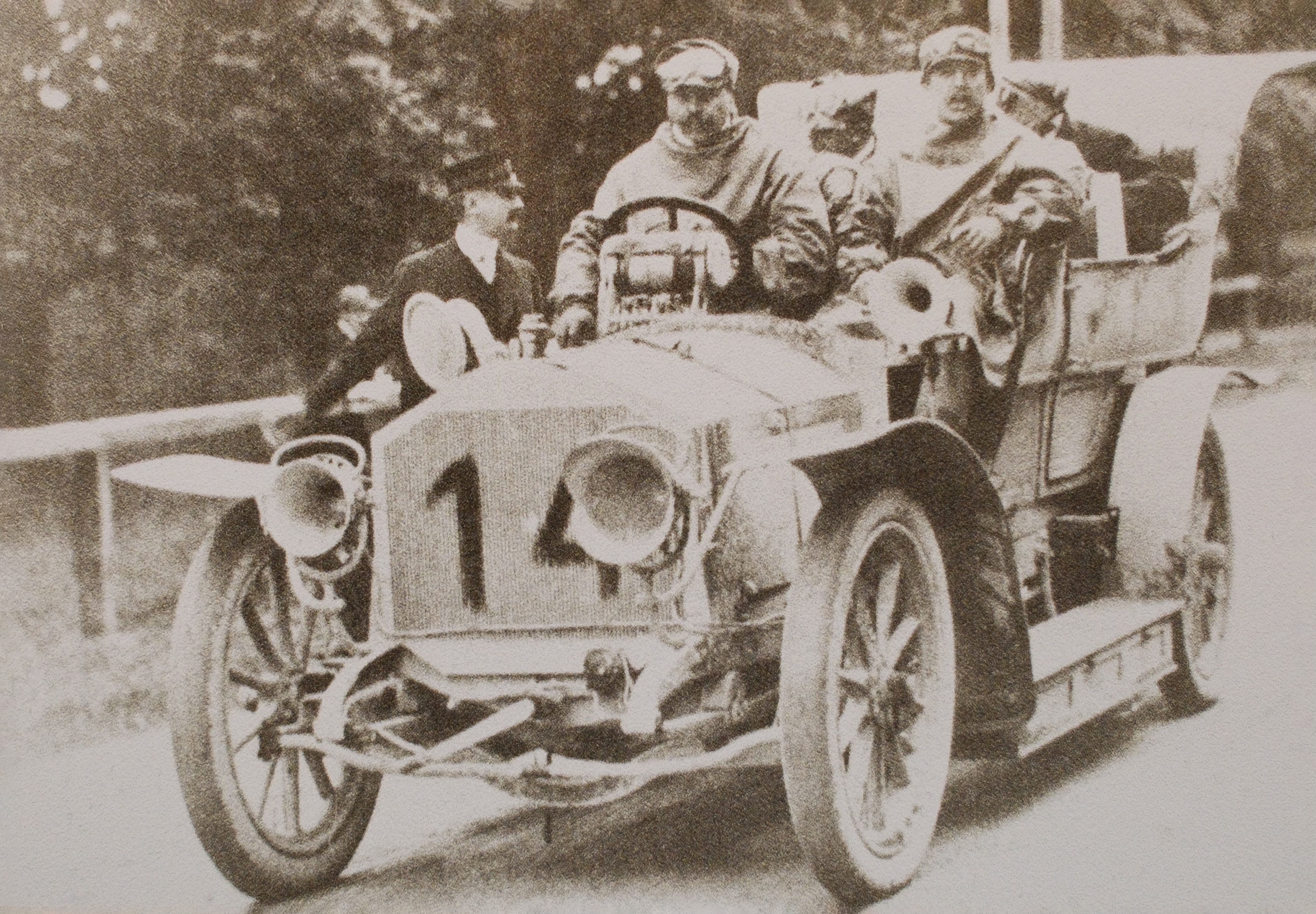
Métallurgique
Marchienne-au-Pont, Belgium.

Métallurgique was founded in Marchienne-au-Pont, Belgium, in 1898 as La Société Anonyme L’Auto Métallurgique.
Before building cars, the company specialized in precision metalwork, machinery, and industrial components—hence the name “Métallurgique.” Their early engineering culture set the tone for the highly refined cars they would later produce.
By 1899, the company had already shifted strongly toward automobile manufacturing, inspired by the exploding motor-car industry in France.
Métallurgique rapidly developed a reputation as one of the best-engineered Belgian cars, positioning themselves in the same arena as Panhard, Mercedes, and Minerva.
Some defining characteristics of their cars included long, elegantly proportioned chassis, high-revving, precisely machined engines, advanced valve gear and strong performance, luxurious coach-built bodies and impeccable fit-and-finish.
Métallurgique found major success in Britain, where the brand had an almost cult following. To support demand, production of certain models (especially radiators and chassis parts) was licensed to Belsize Motorsin Manchester. For a time, the cars were even sold as Métallurgique-Belsize.
After the First World War, the European luxury market shifted dramatically. Métallurgique resumed car production in the early 1920s, but the company faced scarcity of capital, increased competition from mass-producers and a shrinking luxury-car demand.
In 1927, the famous Belgian luxury manufacturer Minerva acquired Métallurgique.